A meningitis outbreak has affected students at Reading Blue Coat School, Highdown Secondary School and Sixth Form Centre in Berkshire, and Henley College in Oxfordshire [1, 2, 3]. A student named Lewis Waters from Henley College died after contracting meningitis linked to the outbreak, confirmed by the UK Health Security Agency on May 14 or 15 [1, 2, 3]. Two other students from Reading Blue Coat School and Highdown School are currently receiving treatment for meningitis [1, 2, 3].
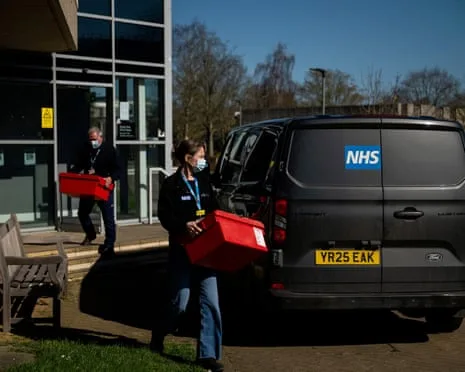
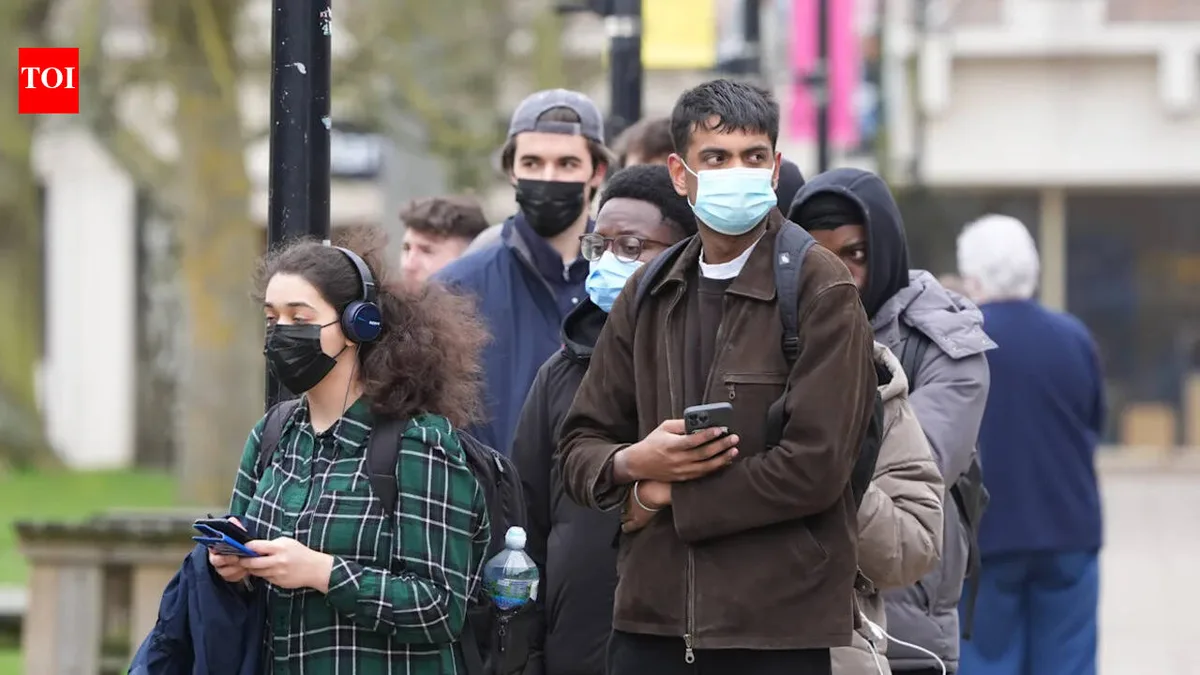
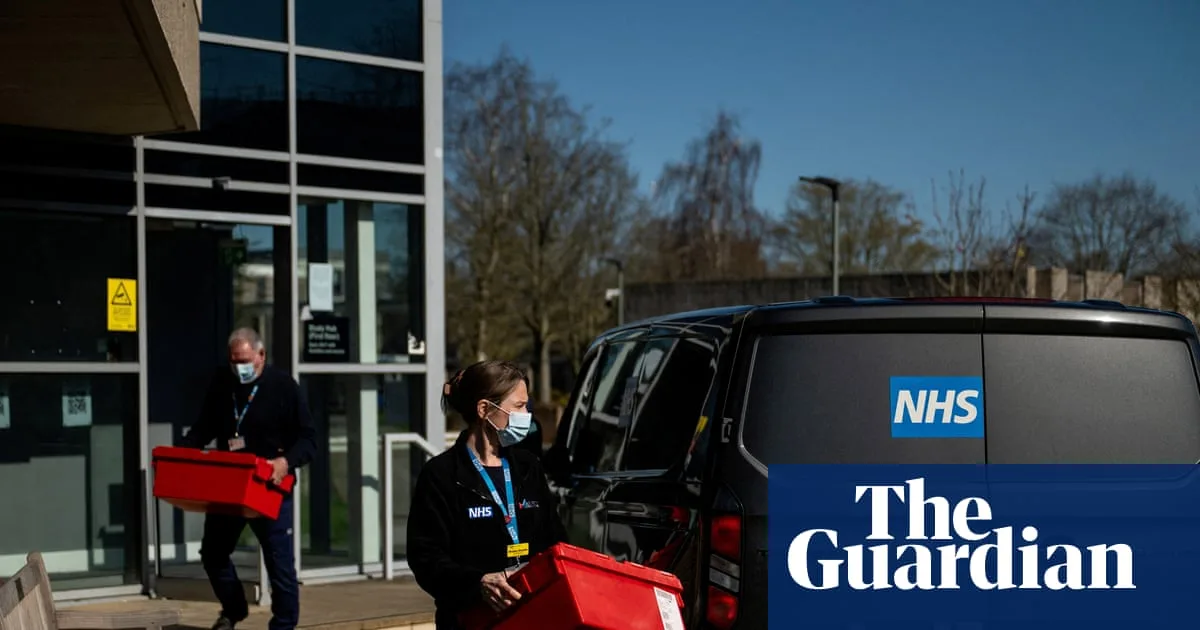
The meningitis strain involved is different from the meningitis B strain that caused a recent outbreak in Kent in March, which resulted in two deaths and more than a dozen hospitalizations [1, 2]. Dr Rachel Mearkle said the risk to the wider public remains low because meningococcal disease spreads only through very close contact, such as kissing, coughing nearby, sharing drinks or living together, and large outbreaks are rare [2]. Precautionary antibiotics have been offered to close contacts of the infected students to contain the spread [1, 2, 3].
Symptoms of meningitis include fever, headache, vomiting, drowsiness, shivering, cold limbs, stiff neck, rash, sensitivity to light, confusion, and muscle pain [1, 2, 3]. The MenB vaccine, included in the NHS vaccination program since 2015, protects against the meningitis B strain but not the strain involved in this outbreak [1].
Lewis Waters’s father described him as "a kind-hearted and sociable young man whose condition deteriorated rapidly after developing sepsis linked to meningitis" [3]. Henley College is offering support services to students, staff, and grieving classmates following his death [1, 2, 3].
Each year, 300 to 400 meningococcal disease cases are diagnosed in England [1, 2]. Public health officials continue to monitor the situation closely and offer guidance to schools and families affected.