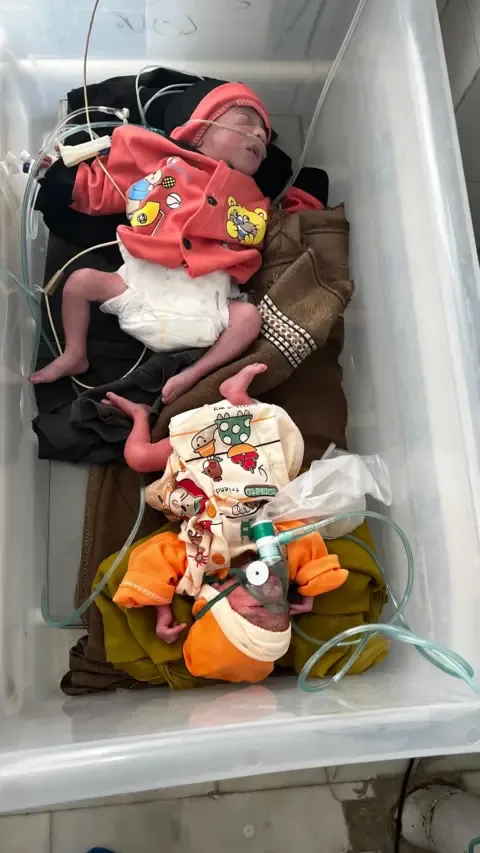
Three out of four people in Afghanistan cannot meet their basic needs due to widespread unemployment, struggling healthcare, and reduced international aid, officials said [1, 2]. About 4.7 million Afghans, more than 10% of the population, are one step away from famine [1, 2].
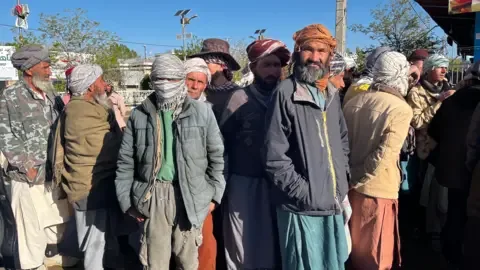
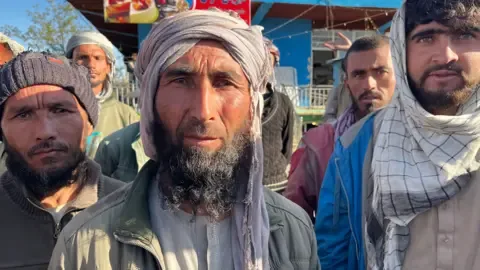
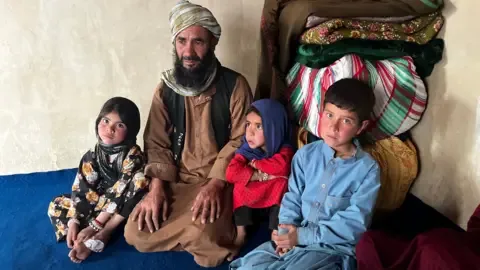
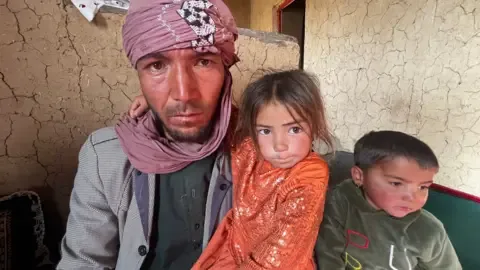
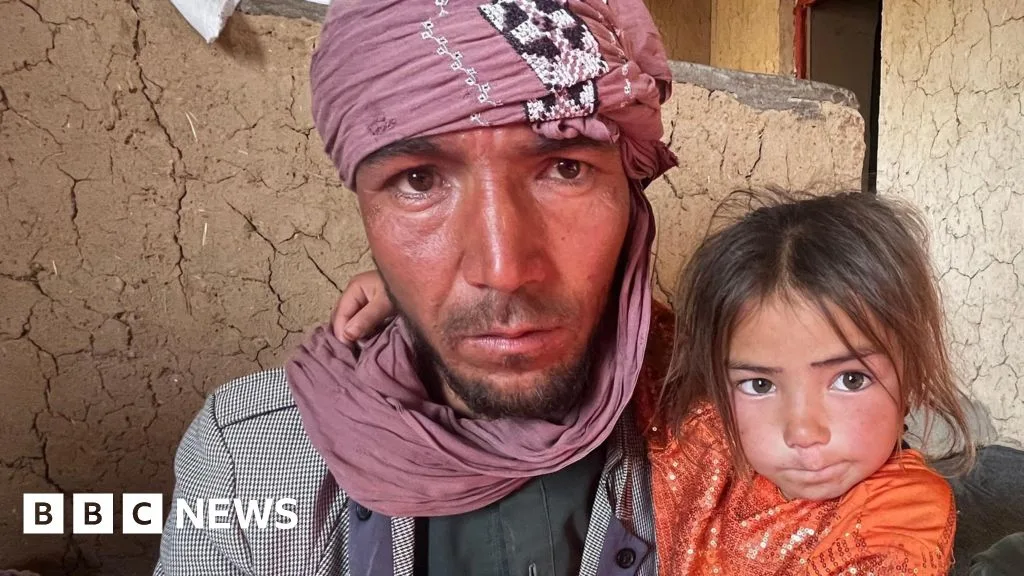
In Ghor province, the situation is especially severe. Men gather daily to seek scarce work, often earning only 150 to 200 Afghani ($2.35-$3.13) a day for casual labor [1]. Fathers in this area report being forced to make impossible choices to feed their families. Abdul Rashid Azimi, father of seven-year-old twins Roqia and Rohila, said, "I'm willing to sell my daughters. I'm poor, in debt and helpless...My children come to me saying 'Baba, give us some bread'. But what can I give? Where is the work?" [1, 2]
Saeed Ahmad sold his five-year-old daughter Shaiqa to a relative to cover urgent medical costs, a father said. "I had no money to pay the medical expenses. So I sold my daughter to a relative...She will become his daughter-in-law," he said. The arrangement includes a delayed payment of 200,000 Afghani and Shaiqa marrying into the relative's family in the future [2].
Two years ago, many Afghan families received food aid, including flour, cooking oil, lentils, and nutritional supplements. However, food aid and supplements have sharply declined more recently, worsening the humanitarian crisis [2].
Juma Khan, another father, described the desperation faced by families: "My children went to bed hungry three nights in a row. My wife was crying, so were my children. So I begged a neighbour for some money to buy flour." [1]
Between approximately 2024 and 2026, rising unemployment and aid cuts drove hunger and famine risk across Afghanistan [1, 2]. The coming months will test humanitarian response efforts as millions remain in urgent need.