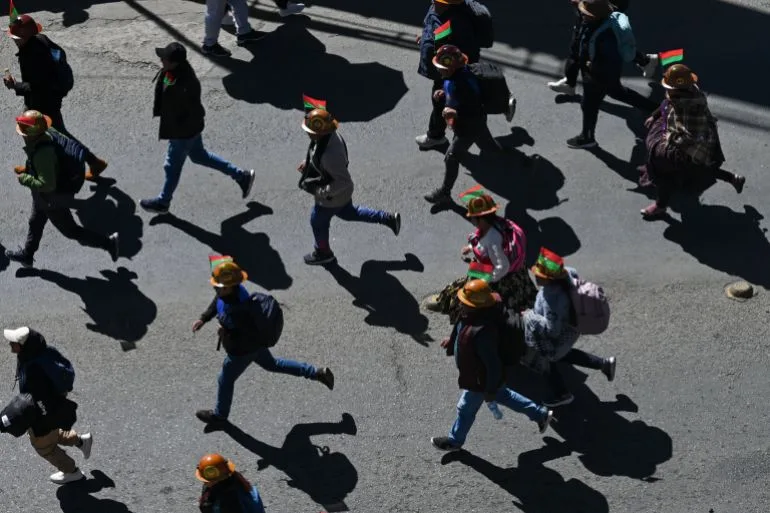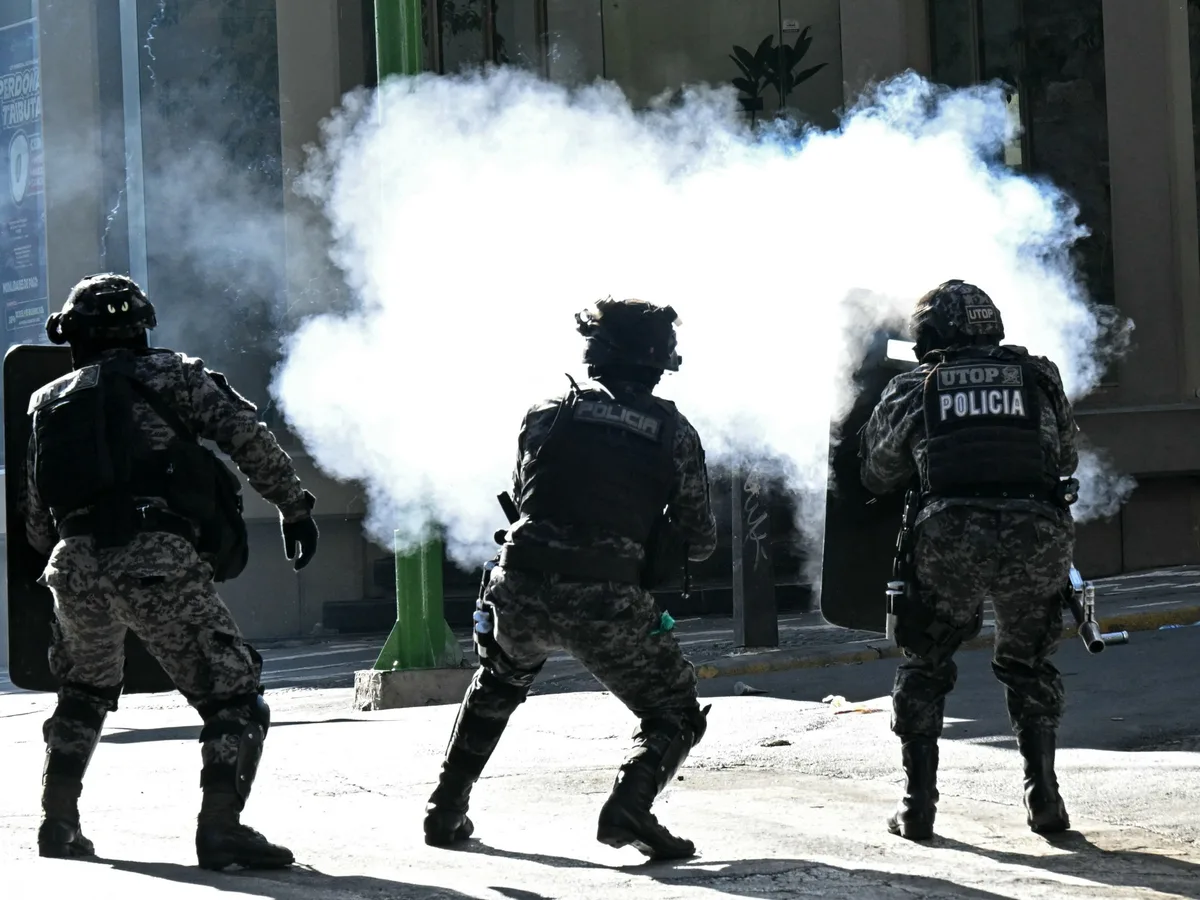
Miners and rural unions in Bolivia staged anti-government protests in La Paz on May 14 and 15, demanding President Rodrigo Paz’s resignation amid the country’s worsening economic crisis [1, 2].
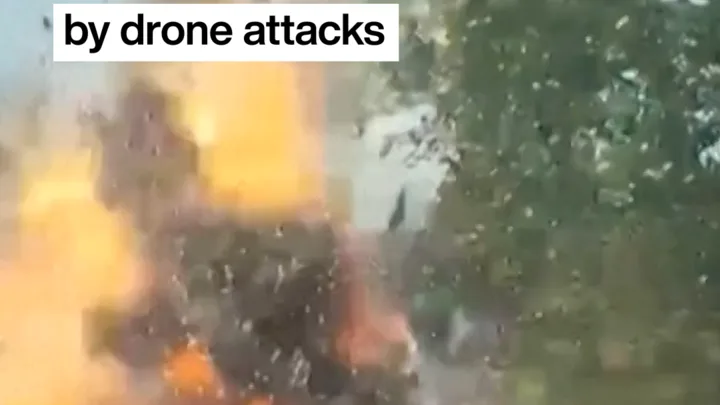
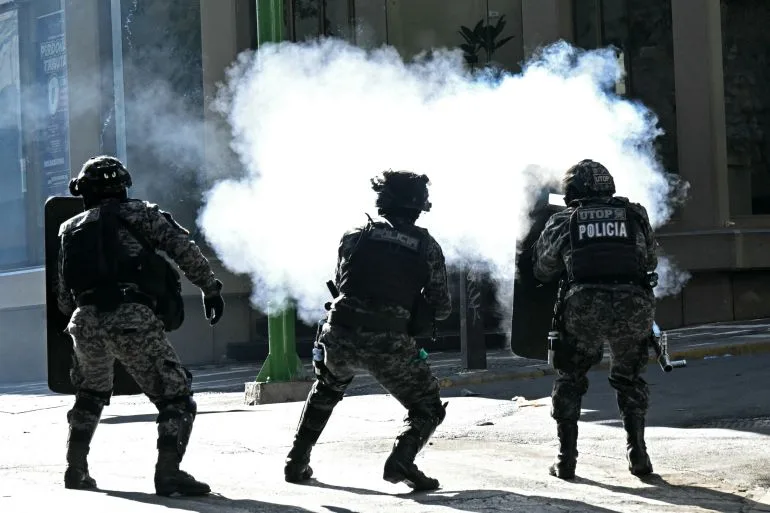
Protesters set off small sticks of dynamite and threw Molotov cocktails during clashes with police, who responded by firing tear gas [1, 3, 2]. Security forces blocked roads and erected barricades near the Government Palace as protesters attempted to breach the building [1, 2]. Several demonstrators were injured in the confrontations on May 14 [2].
The unrest came after weeks of road blockades by miners, farmers, teachers, and rural workers protesting inflation, fuel shortages, and declining living conditions [1, 2]. Bolivia’s natural gas reserves and production have sharply declined in recent years, forcing the country to become a net importer of fuel [1].
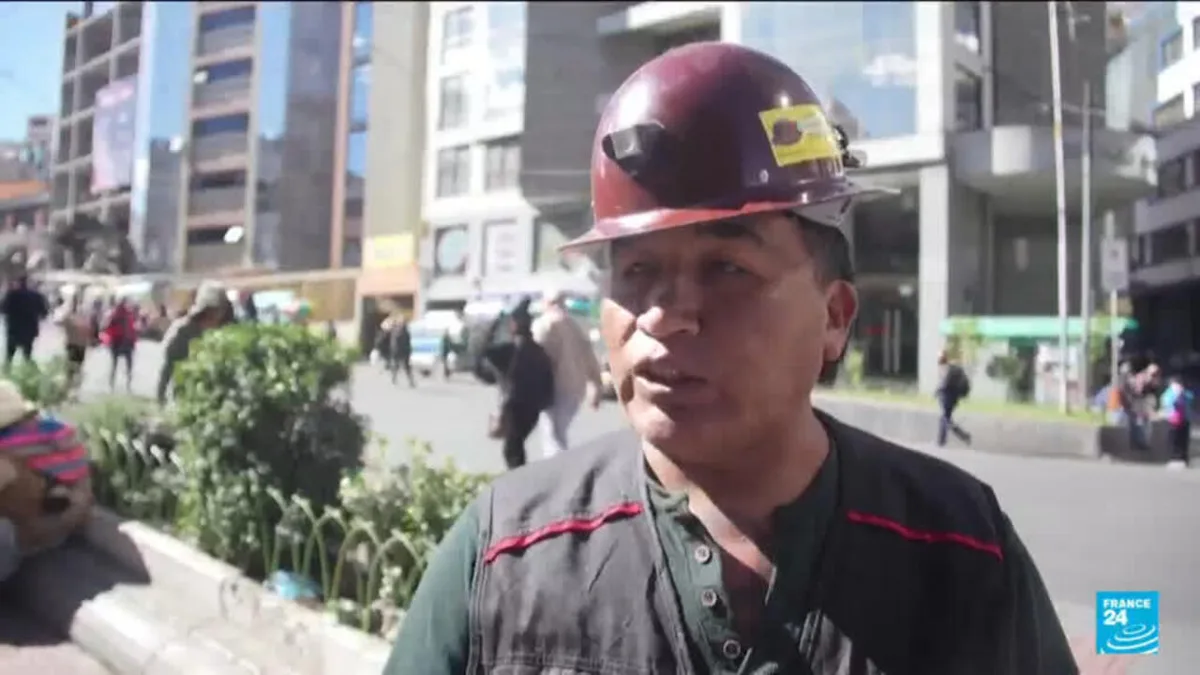
On May 14, President Paz met with 20 miners to discuss protest demands, including fuel subsidies, welfare programs, and the repeal of agrarian reform Law 1720, which was rescinded that same day [1]. Economy Minister Jose Gabriel Espinoza said the government remains "open to dialogue" amid rising tensions [1]. However, Minister of Public Official Mauricio Zamora stated, "The president is not going to resign" [1].
The Bolivian Workers’ Center warned of larger protests if the government fails to meet demands [2]. Violence escalated on May 15 with further clashes in the capital involving tear gas and improvised explosives near key government buildings [3, 2].
President Paz, elected in October 2025 amid promises of economic reform, has so far refused to step down as protests continue to disrupt the capital and surrounding areas [1, 2].