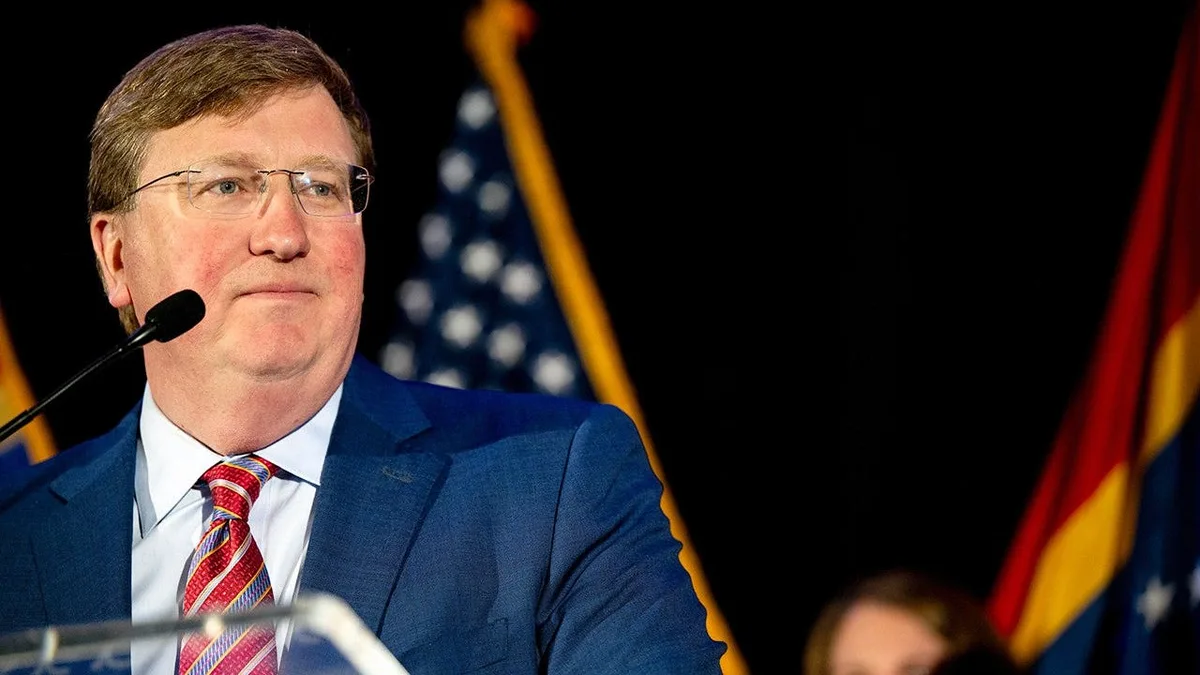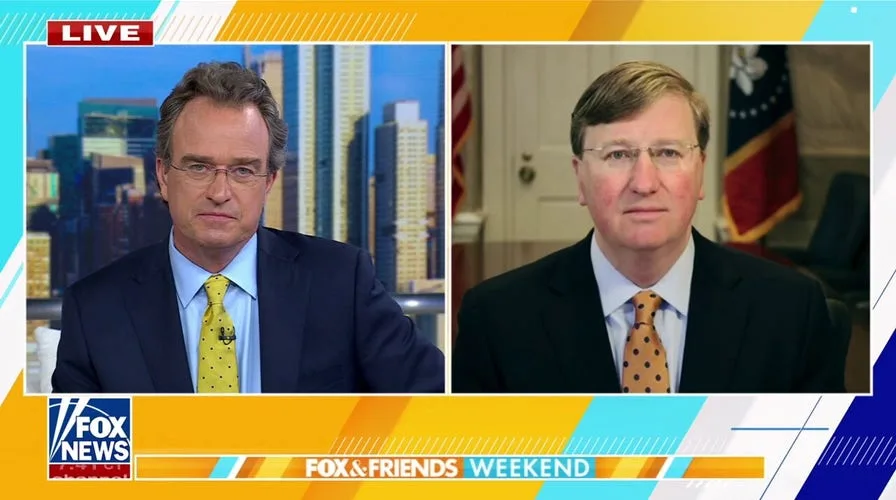
Mississippi Governor Tate Reeves canceled a special legislative session that was scheduled for May 2026 to redraw state supreme court districts next week [1, 2]. The session had also been expected to consider congressional district maps, but Reeves called off the meeting citing practical difficulties after Mississippi’s March 10 congressional primary elections [2].
Reeves said he expects state lawmakers to redraw Mississippi’s congressional districts between now and the 2027 elections, though he acknowledged the process might not be completed in time for the November 2026 midterm elections [1]. "Just to clarify, I said I expect lawmakers to redraw congressional lines BETWEEN NOW and 2027 elections! I also expect them to redraw legislative and Supreme Court lines between now and 2027 elections!" Reeves said [1]. He added, "It is not a question of if, it’s a question of when."
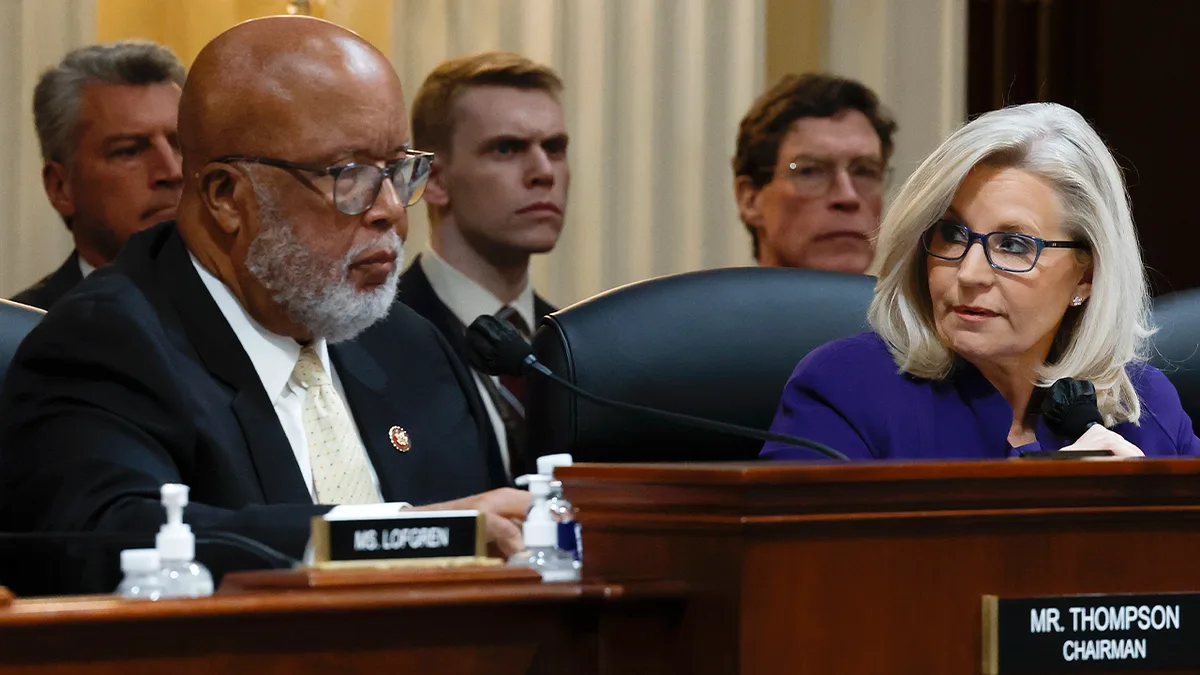
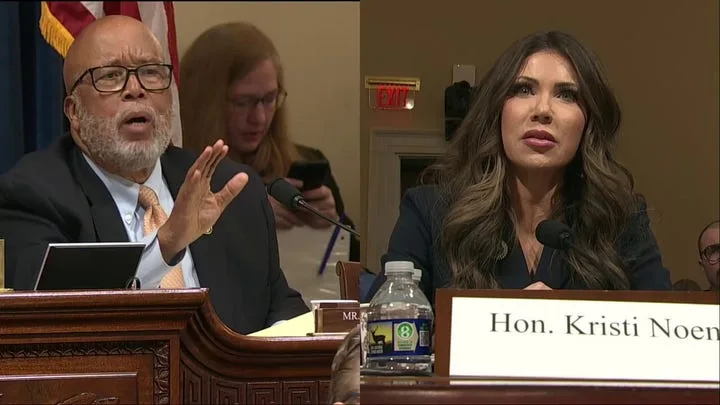
The governor has specifically targeted the 275-mile-long second congressional district, represented by Mississippi’s only Democratic congressman, Bennie Thompson, for redrawing [1, 2]. Thompson, who has served 33 years and is seeking his 18th term, represents a predominantly Black district [1, 2]. Efforts to oust Thompson through redistricting reflect wider political strategies tied to his profile as a long-serving Democrat and former chair of the January 6 committee [2].
Reeves said he will work closely with the Trump administration on the timing and process of redrawing both congressional and legislative district lines. "I’m going to do what’s in the best interest of Mississippi and I’m going to do what’s in the best interest of America," Reeves said, emphasizing cooperation with the former administration to achieve these goals [2].
The decision to cancel the special session follows changes to redistricting rules following the Louisiana v Callais ruling, which came after Mississippi’s primary elections, limiting the window for map revisions to impact the 2026 electoral cycle [1, 2]. Conservative activists, including Scott Presler, have urged that district maps must be redrawn before the 2026 elections to be effective, though Reeves cited timing challenges caused by the March primary results [2].
The next planned redistricting efforts are expected during the period leading up to the 2027 elections, with lawmakers tasked to redraw congressional and legislative boundaries in a schedule that allows for the legal and administrative processes involved [1].