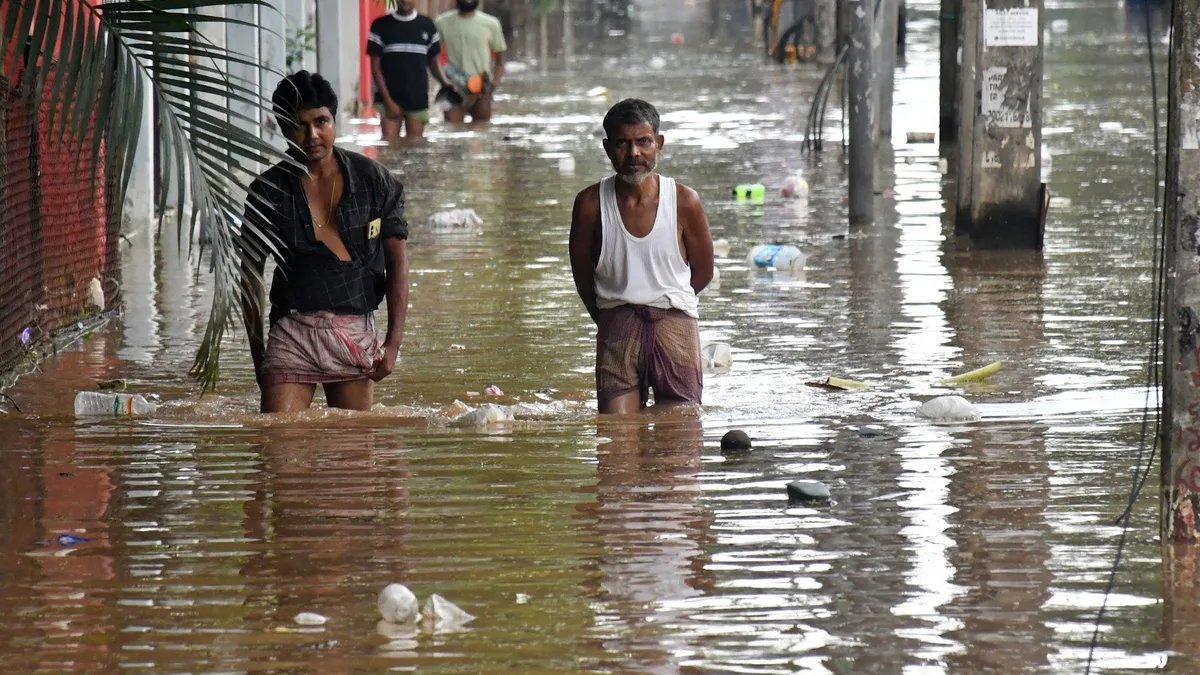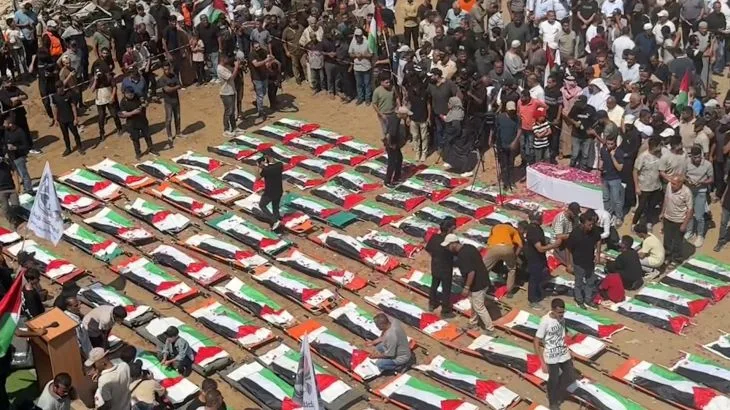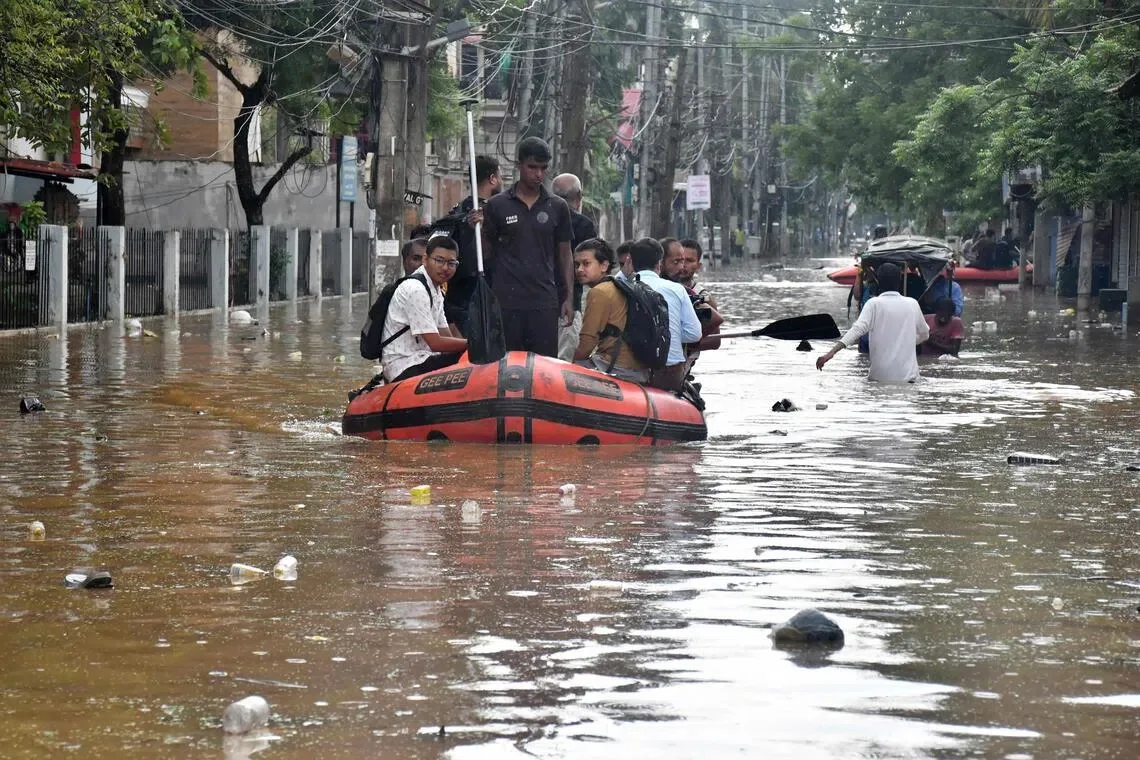
Floods and landslides triggered by monsoon rains since July 2026 have killed more than 100 people across India, affecting millions and causing widespread damage [1, 2]. Assam state has suffered the highest death toll, with estimates ranging from 87 to 95 fatalities. In Assam's Sivasagar district alone, at least 47 people have died, and many areas remain flooded [1, 3, 2].
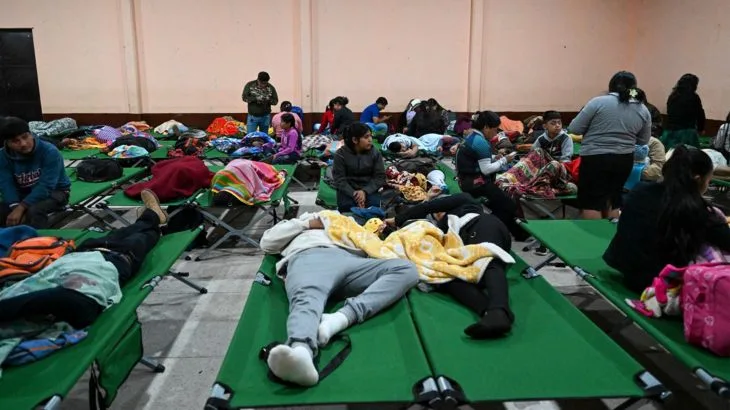
About 1.1 million people in 25 districts of Assam have been affected. Flood victims live in makeshift shelters and use rafts to move belongings as homes and farmland remain submerged [1, 3, 2]. Assam authorities have set up over 1,900 relief distribution centers and called for public financial donations to aid relief and rehabilitation efforts. Assam Chief Minister Himanta Biswa Sarma said, "The devastation here is unlike anything these areas have witnessed before. Material losses can be restored, but no compensation can replace a loved one. Rehabilitation efforts are also being intensified across Assam" [1, 2].
Kerala has reported at least 15 deaths and 7 people missing due to heavy rains. More than 10,000 people are sheltering in about 300 relief camps there [1]. Jammu and Kashmir has recorded 31 deaths in multiple intense rainfall events [1].
The monsoon disasters are an annual occurrence in India but have worsened recently due to climate change causing more erratic and severe rainfall [1]. South Asian neighbors have also been affected; Sri Lanka has seen heavy monsoon rains since August 3 causing flash floods and mudslides, killing at least 8 people and displacing 12,000 [1].
The Assam State Disaster Management Authority confirmed on August 6 that the death toll had reached 95 and that relief efforts continue across the state [2]. Authorities across affected regions remain focused on rescue, relief distribution, and rehabilitation as monsoon rains persist.