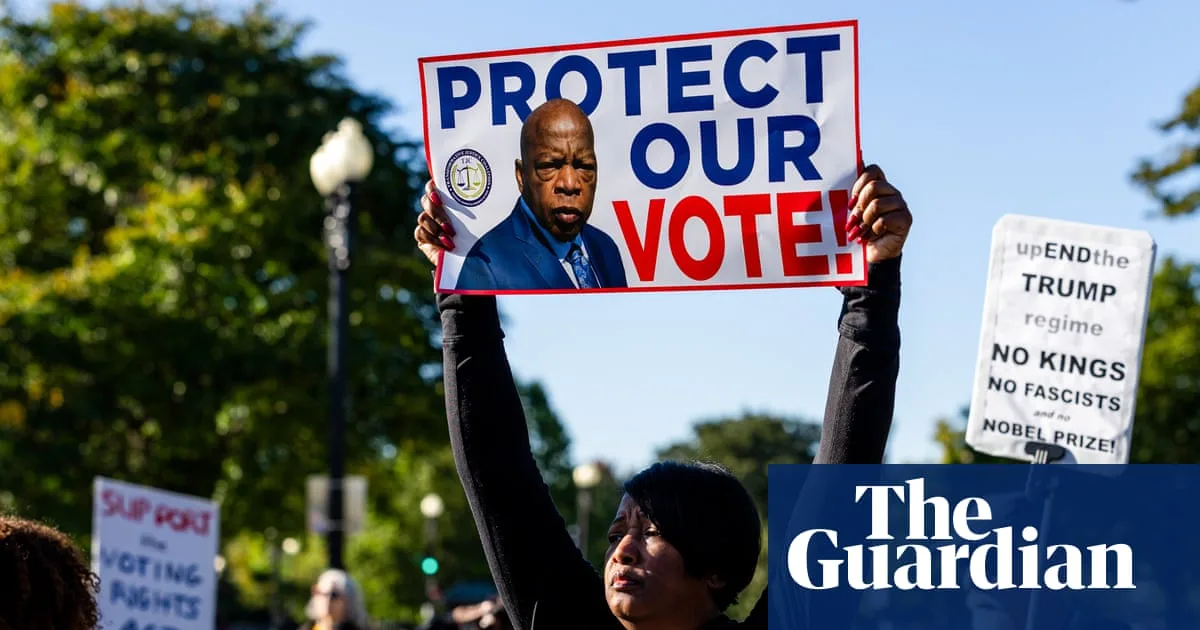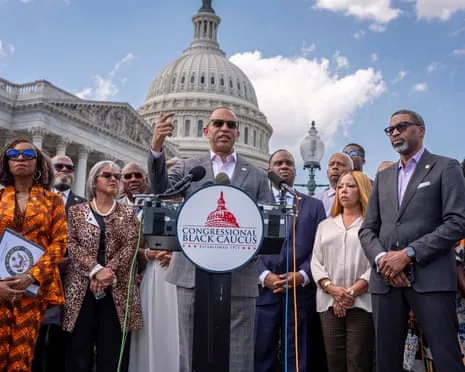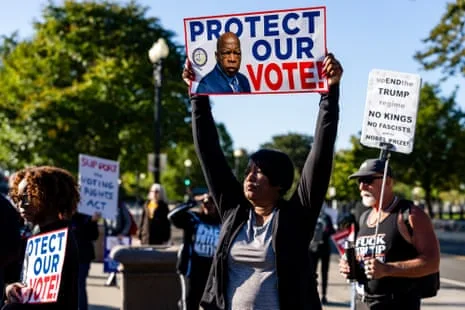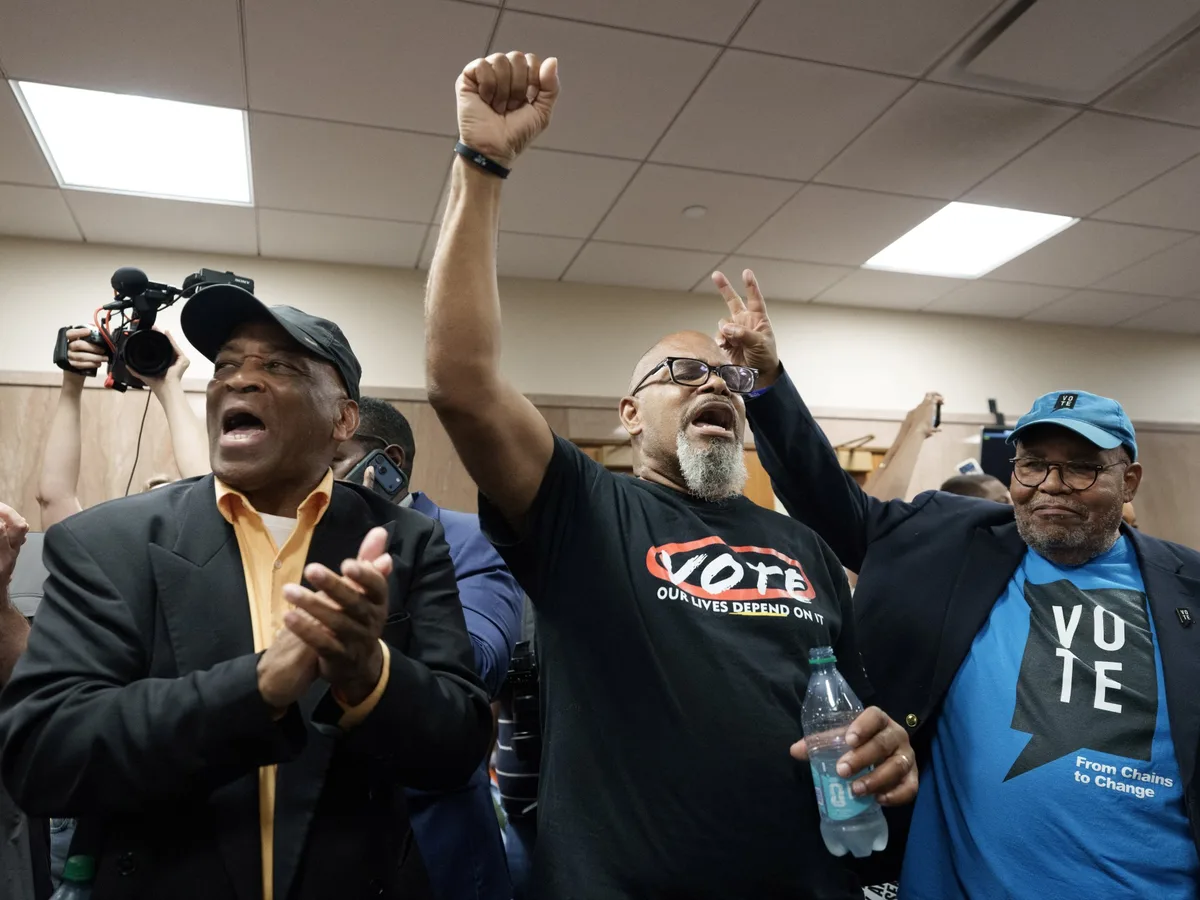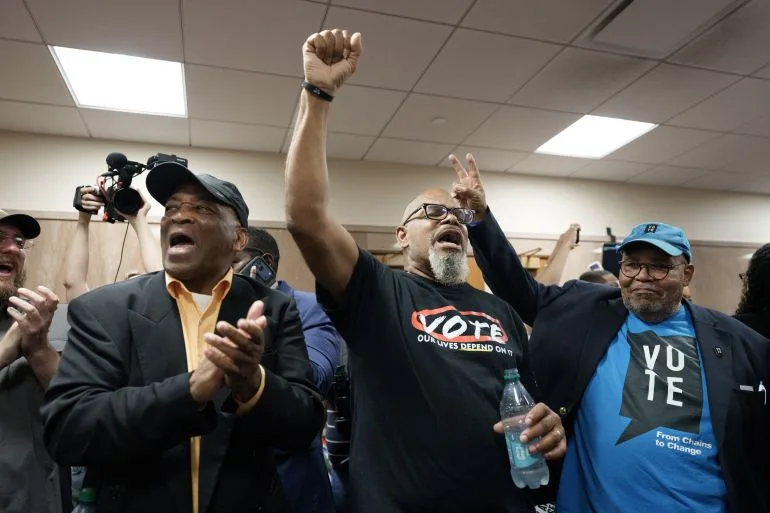
The NAACP launched the "Out of Bounds" campaign on May 19, 2026, urging Black athletes, families, alumni, and fans to boycott athletic programs at public universities in eight southern states. The group targets these programs for their states' redistricting efforts that dilute Black voting power, linked to recent changes following the Supreme Court's Louisiana v. Callais decision, which weakened the Voting Rights Act [1, 2, 3, 4].
The targeted states are Tennessee, Louisiana, Alabama, Florida, Mississippi, South Carolina, Texas, and Georgia. Together, the public university athletic programs in these states generate over $100 million in annual revenue [1, 3]. The boycott calls on football and basketball recruits to withhold commitments to these programs until fair congressional maps and meaningful Black representation are restored [1, 2, 3].
Current athletes at these universities are encouraged to use their platforms to push for voting rights and to consider transferring, while fans, alumni, and donors are urged to stop financially supporting these athletic programs and instead support historically Black colleges and universities (HBCUs) and related scholarship funds [1, 2, 3].
The campaign singles out the Southeastern Conference (SEC), whose 12 of 16 member schools are in the targeted states. Programs like Texas, Georgia, Alabama, and Florida fall within the boycott's scope [2, 4]. NAACP President Derrick Johnson described the redistricting as a "sprint to erase Black political power" and criticized the hypocrisy of states profiting from Black athletic talent while stripping Black communities of voting power [1, 3]. He said, "What these states have done is not a policy disagreement. It is a sprint to erase Black political power."
Tylik McMillan of the NAACP youth and college division added, "The state that is working to erase your grandmother’s congressional district is the same state whose governor will stand on the field and celebrate your touchdown or game-winning shot" [1].
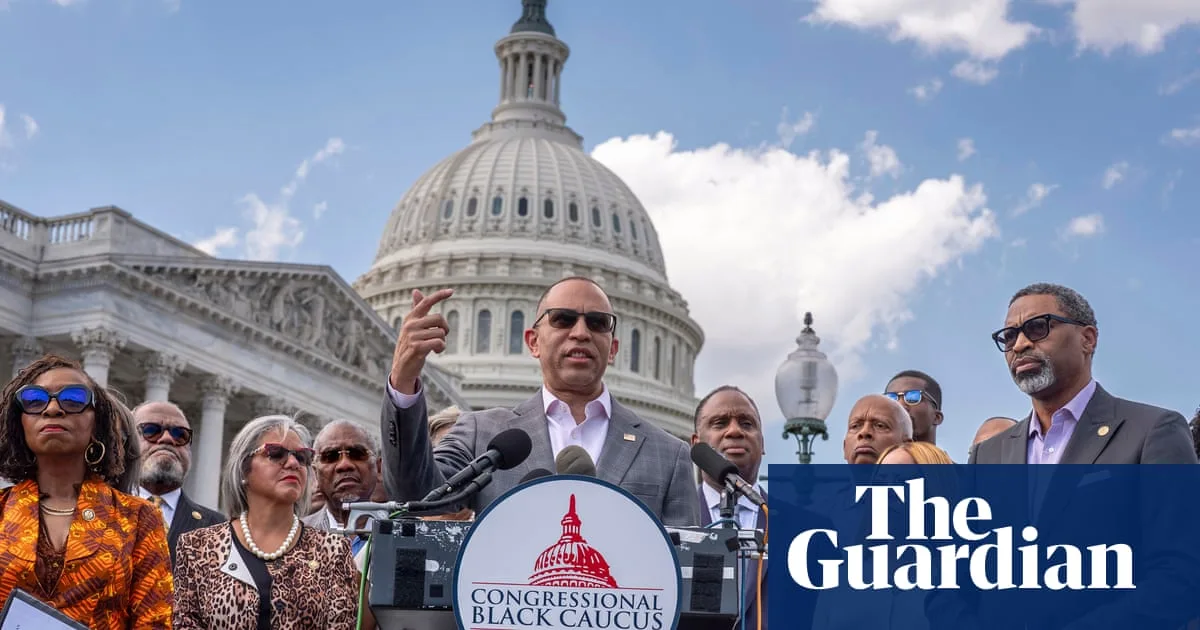
House Democratic Leader Hakeem Jeffries supported the boycott on May 20, calling the moment a "Jackie Robinson moment." He condemned silence from institutions as complicity, saying, "We are here standing in solidarity with the NAACP and its call for athletes to boycott institutions within the SEC that belong to states that have unleashed these Jim Crow-like, racially oppressive tactics, which is unacceptable, unconscionable and un-American" [2].
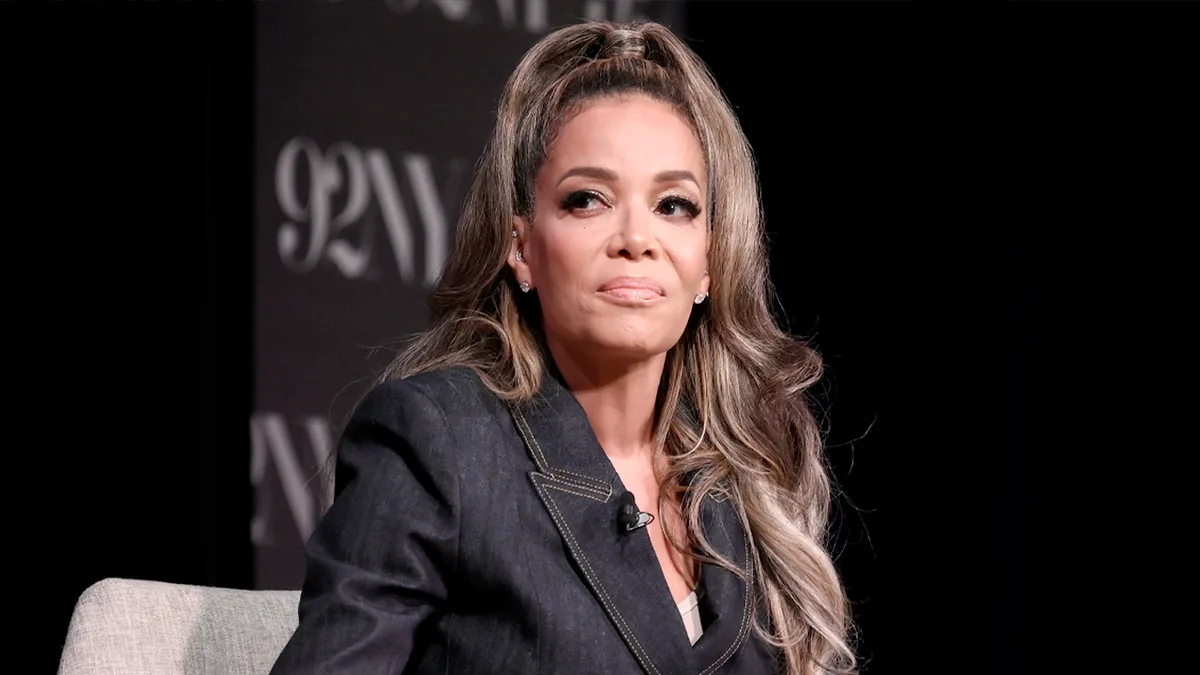
ABC "The View" co-host Sunny Hostin endorsed the campaign on May 21 but noted the challenges faced by college athletes considering the boycott. Hostin said economic harm has long been an effective civil rights tool and cited former Ole Miss running back Kylin Hill, who vowed not to play unless the state changed the Confederate flag. She noted the flag was removed months later, illustrating the impact athletic pressure can have [4]. Hostin said the boycott would affect about 13 schools mostly in the SEC and ACC [4].
The campaign draws a clear line between athletic success and political power, urging a halt to financial and athletic support until the states restore fair representation. The NAACP and allies continue outreach to athletes and fans as the movement gains attention after its May 19 announcement [1, 2, 3, 4].