NATO members have increased their contributions to fill gaps left by significant cuts from the U.S. in crisis force commitments, alliance officials said on June 17 and 18, 2026 [1, 2]. The U.S. has reduced its commitments of F-15 and F-15E fighter jets to NATO by one third, cutting the number to 99 aircraft [1, 2]. Similarly, the deployment of MQ-4 and MQ-9 Reaper drones has been halved, leaving 12 drones committed to NATO [1, 2].
U.S. refuelling aircraft numbers dropped from 79 to 63, while naval assets were also cut, with destroyers reduced from 17 to 9 and maritime patrol aircraft from 26 to 15 [1, 2]. Despite these reductions, European allies and Canada are expected to raise defense spending by more than $90 billion in 2025, an increase of nearly 20% compared to the previous year [3].
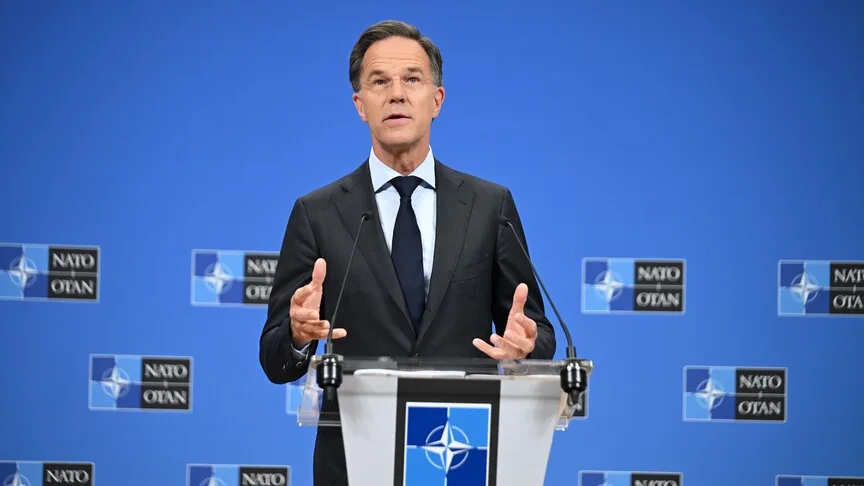
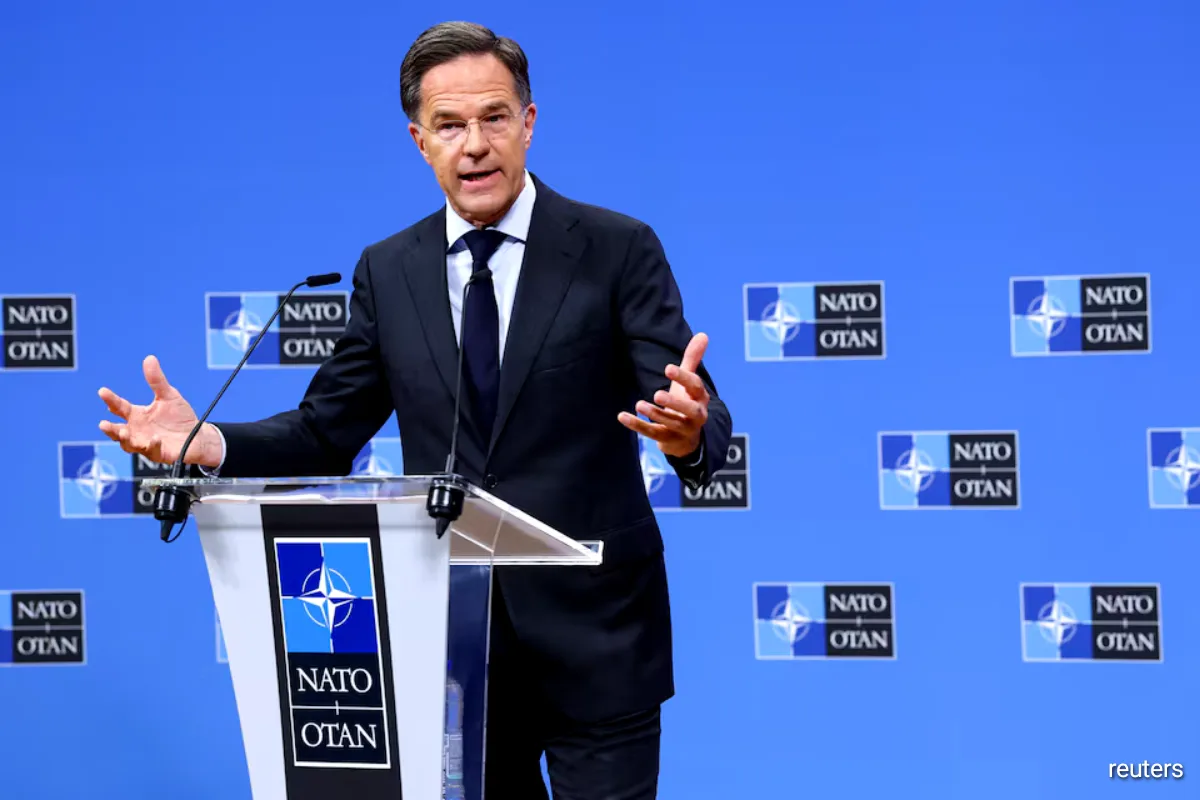
NATO Secretary General Mark Rutte said the alliance is now entering an implementation phase ahead of the Ankara summit scheduled for July 7-8, 2026. He described the current meeting as "the last big meeting that we will have before the Ankara summit, and the Ankara summit will be all about implementation" [3]. Rutte acknowledged "areas that require more work but the overall picture is looking good" [1].
Rutte emphasized the need for expanded defense production in both the U.S. and Europe to keep pace with competitors like China and Russia. "We need to produce more, both in the US and in Europe, to keep ourselves safe," he said [3].
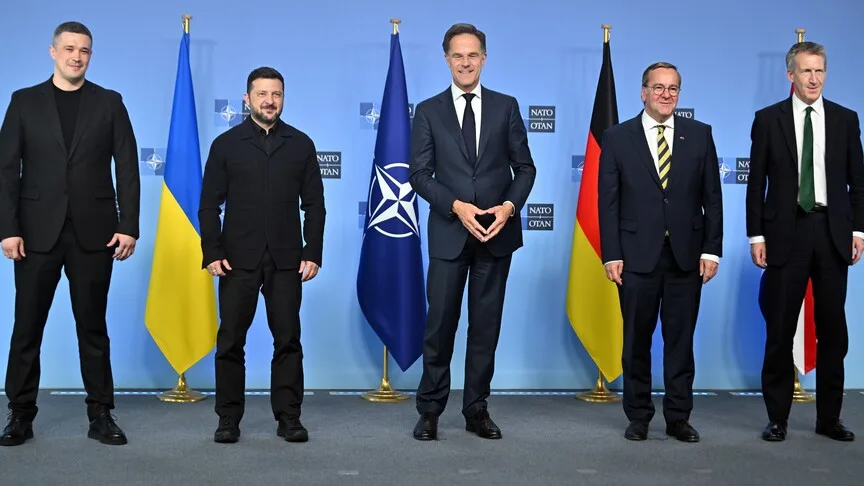
Support for Ukraine remains a central focus. The Ukraine Defense Contact Group met on June 18 with Ukrainian President Volodymyr Zelenskyy participating to discuss military needs and battlefield developments [3, 4]. NATO called for making support for Ukraine "adequate, predictable, and sustainable," particularly in areas such as air defense, drones, and extended-range ammunition [4]. Rutte said, "A strong, independent Ukraine is vital for the stability of the Euro-Atlantic area, we need to ensure that we do everything we can to back these words up" and added that "political support needs to be underpinned by concrete military and practical support" [4]. "Now is the time for us to get behind this momentum," he added [4].
U.S. Defense Secretary Pete Hegseth attended a NATO defense ministers meeting but departed Brussels before the Ukraine Defense Contact Group met, leaving Under Secretary Elbridge A. Colby to join virtually [4].
The next key event is the NATO summit in Ankara on July 7-8, 2026, which will focus on implementing defense commitments and boosting support to Ukraine [1, 2, 3, 4].