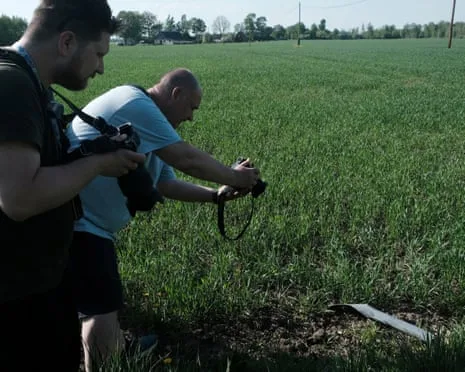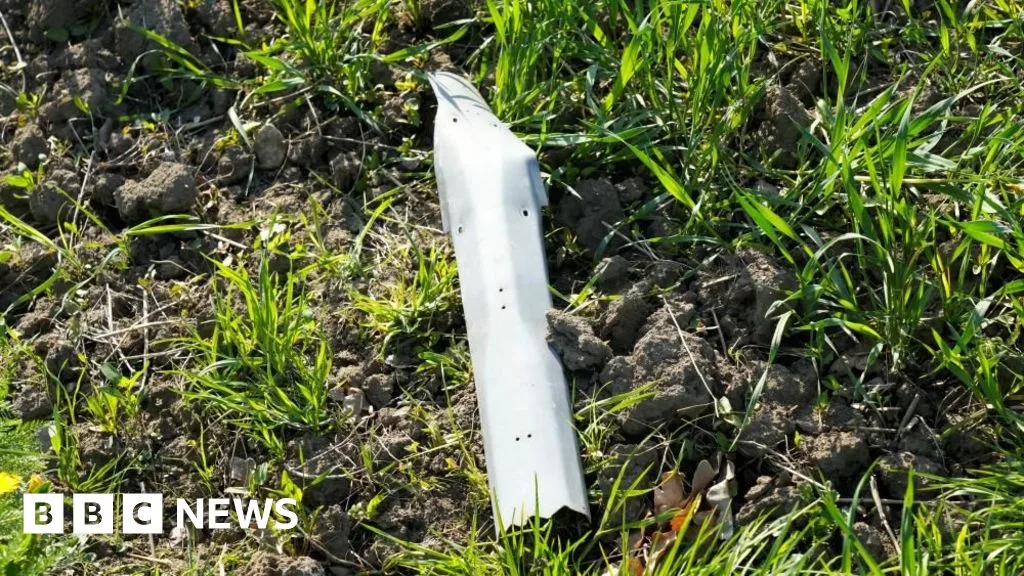
On May 19, a Romanian NATO F-16 fighter jet shot down a suspected Ukrainian military drone over Estonia near Võrtsjärv lake and Põltsamaa town, officials reported [1, 2, 3, 4]. The drone was believed to have been diverted into NATO airspace by Russian electronic jamming and GPS spoofing, according to NATO and Baltic sources [1, 3, 4]. The debris fell roughly 30 meters from the nearest residential building in a marshy forest area, causing no damage or injuries [1, 3].
Estonian Defence Minister Hanno Pevkur said, "We received early information from Latvia about a drone that had strayed off course, and Estonia tracked the drone until Romanian fighter jets participating in the Baltic air policing mission shot it down. We decided that we need to take it down" [1]. Ukraine apologized for the incident, with Foreign Ministry spokesperson Heorhii Tykhyi stating, "We apologise to Estonia and all of our Baltic friends for such unintended incidents" and underscoring efforts to prevent future cases [3]. Ukraine blamed Russia for deliberately redirecting drones launched on Russian targets into Baltic territories [1, 3, 4].
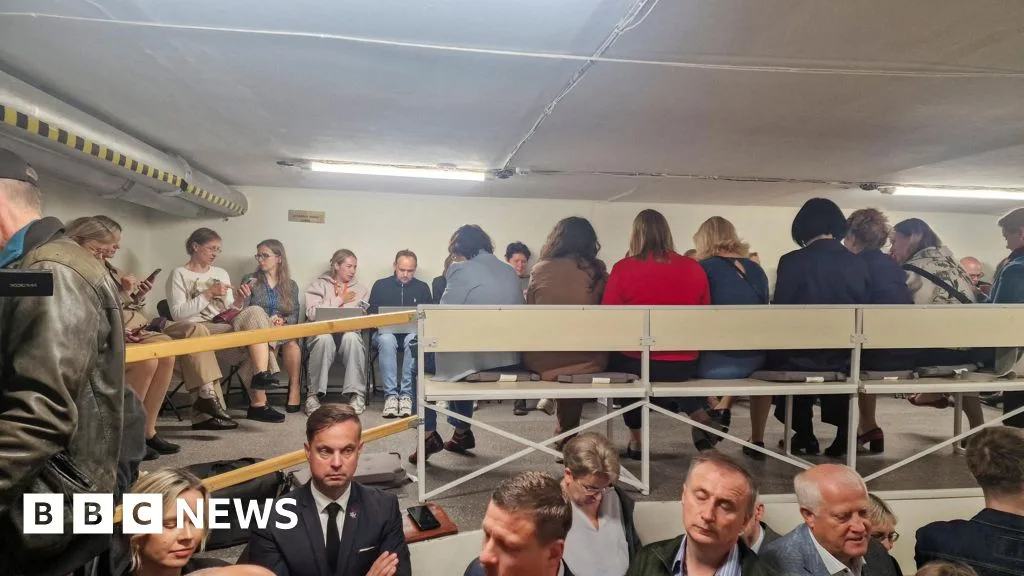
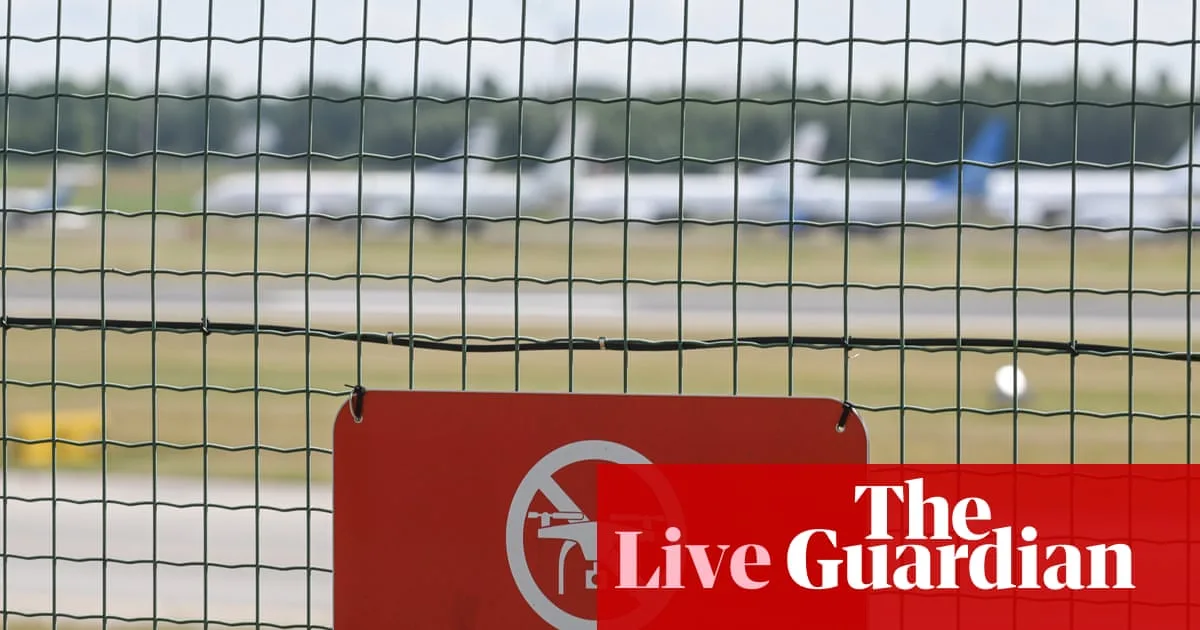
Drone incursions have steadily increased since March, affecting Estonia, Latvia, Lithuania, and Finland [1, 5, 2, 6, 4, 7]. On May 17, a suspected Ukrainian drone crashed in Lithuania near the village of Samane, about 40 km from Latvia and 55 km from Belarus, with no explosives onboard [5, 8]. On May 20, Lithuania issued an air raid alert in Vilnius, sheltering residents and lawmakers, and temporarily suspending flights and trains as NATO jets scrambled to track a drone approaching from Belarus [9, 10, 11, 6]. Latvia also issued a drone alert on May 21 with NATO jets scrambled amid ongoing drone presence [12, 7].
These incursions have caused political fallout, including the resignation of Latvian Prime Minister Evika Silina following drone strikes on Latvian territory and oil storage facilities in mid-May [1, 5, 12, 4, 7, 8].
Russia denies allegations it allows drone launches from Baltic states or that Baltic airspace is used to attack Russia, blaming Ukraine and threatening retribution [1, 3, 6]. Baltic states and NATO deny using their territories as launch points and accuse Russia of electronic warfare pushing drones off course [1, 3, 6, 4]. Latvian President Edgars Rinkēvičs declared, "Russia is lying about Latvia allowing any country to use Latvian airspace and territory to launch attacks against Russia or any other country" [3]. Estonian Foreign Minister Margus Tsahkna said, "Estonia has not permitted its airspace to be used for attacks against Russia. Incidents such as this are linked to Russian jamming activities" [3].
NATO Secretary-General Mark Rutte emphasized that drone crashes in Baltic airspace are caused by Russia's war, not Ukrainian intent to target the Baltics. He said, "If drones come from Ukraine, they are not there because Ukraine wanted to send a drone to Latvia, Lithuania or Estonia. They are there because of the reckless, illegal full-scale attack of Russia" [6, 7]. Polish Prime Minister Donald Tusk warned, "The Ukrainian-Russian war may soon lead to a situation where we will have to react firmly" [11, 6].
The NATO Air Policing Mission remains on high alert. Lithuanian Defence Minister Robertas Kaunas confirmed, "The NATO Air Policing Mission is activated and targeting a drone detected in Lithuanian airspace" [6]. NATO jets continue tracking drones over Lithuania and Latvia, though some drones remain unlocated or uncertain in fate [9, 6, 12, 7].
The drone incidents have prompted drone alerts and military responses across the Baltic states in late May. The region remains watchful for further incursions and possible escalation.