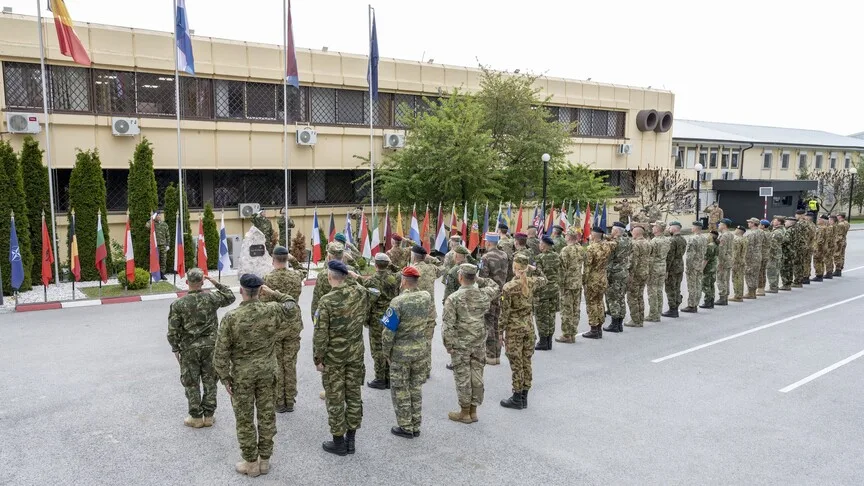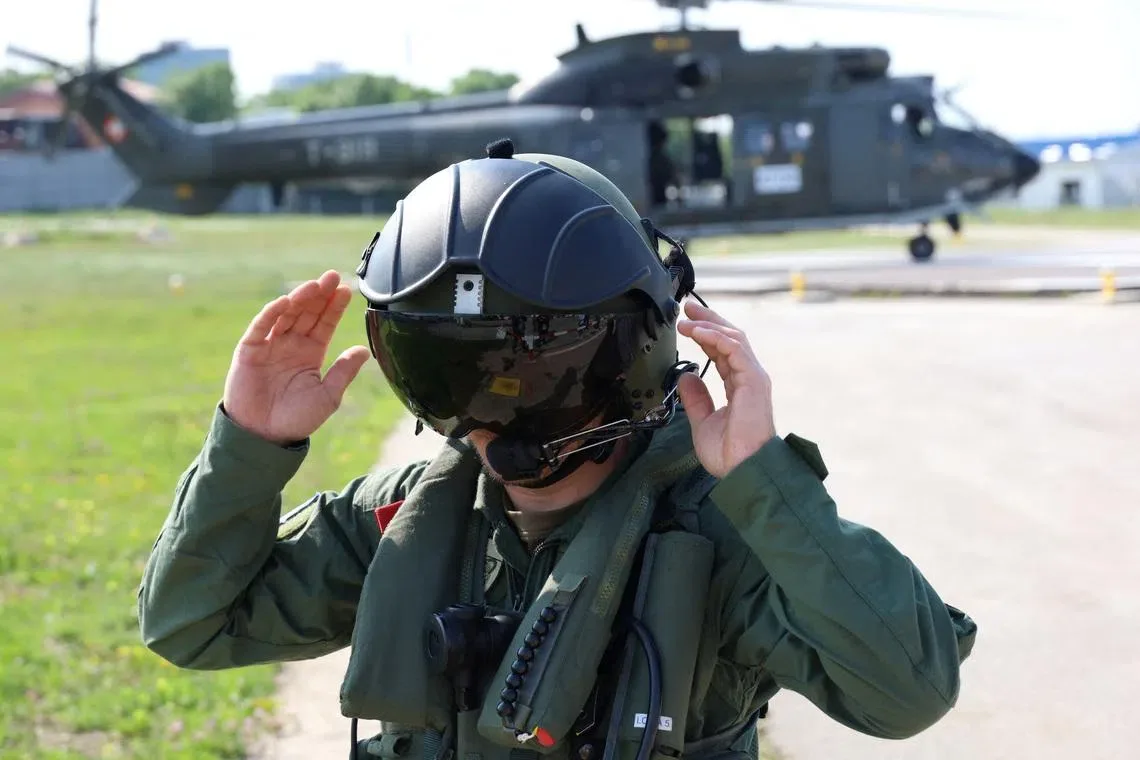
NATO said today it will gradually decrease the size of its Kosovo peacekeeping force, KFOR, over the coming year due to steady improvements in the security environment [1, 2, 3, 4]. The force has been deployed in Kosovo since 1999 under a UN mandate to maintain stability and provide security [1, 3].
At the peak of tensions in 2023, NATO sent approximately 1,000 additional troops to Kosovo, the largest reinforcement in over a decade, after attacks on NATO peacekeepers and violence in northern towns like Zvecan [3]. Reserve troop deployments ended in January 2026 following continuous rotations over two years aimed at responding to those tensions [3].
NATO stated that future troop reductions will follow the normal rotation and redeployment cycles of contributing nations, allowing for a gradual drawdown. The cuts are reversible should conditions worsen [1, 2, 3, 4]. Gen. Alexus G. Grynkewich, NATO’s Supreme Allied Commander Europe, said, "NATO and KFOR are fully committed to safety and security in Kosovo. It is this commitment that has led to increased stability as the security organisations in Kosovo have become more capable. The current conditions provide an opportunity to optimise KFOR's size and posture further" [1].
NATO also reaffirmed its commitment to the Western Balkans and the EU-facilitated dialogue between Belgrade and Pristina as an essential part of ensuring regional stability [3].
The troop reductions come 27 years after KFOR was first deployed following the 1999 conflict, reflecting a significant shift from the high-tension period that reached a peak in 2023 and stabilised over recent years [1, 3]. The phase of gradual reduction aims to balance maintaining security with the evolving capabilities of local security forces.
NATO will continue monitoring conditions closely and adjust KFOR’s presence as needed to ensure stability. The drawdown is scheduled to proceed over the next 12 months according to rotational deployment plans from contributing countries [1, 2, 3, 4].