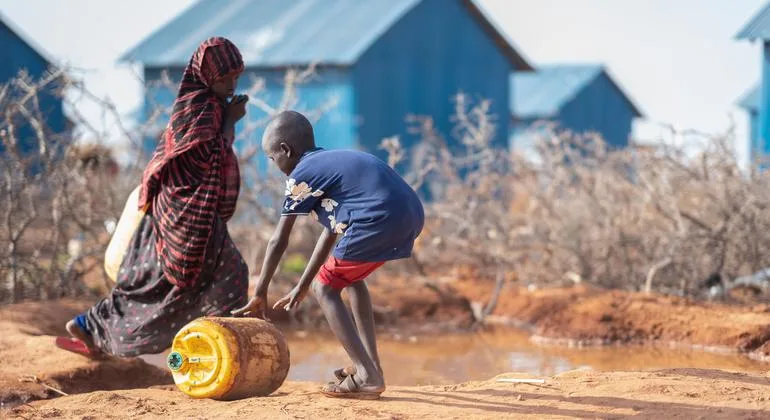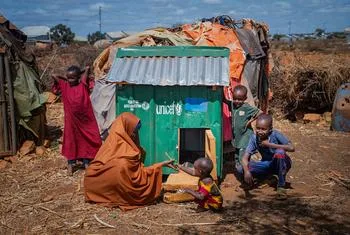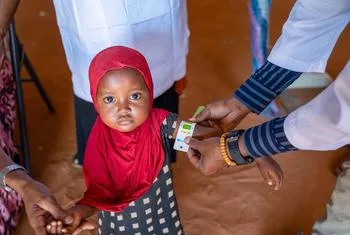
Nearly 6 million people in Somalia, about 31% of the population, face acute food insecurity from April to June 2026, according to the latest Integrated Food Security Phase Classification (IPC) projections [1, 2]. This includes around 1.9 million children suffering from acute malnutrition, with approximately 493,000 requiring urgent treatment for severe acute malnutrition [1, 2].
There is a confirmed risk of famine in the Burhakaba district of Somalia’s Bay region. UN agencies have raised alarms over the hunger crisis driven by persistent drought conditions since 2024, rising food and fuel prices, disrupted global supply linked to the Middle East conflict, and insufficient humanitarian aid and funding [1, 2]. The April to June rainy season has brought some local relief but rainfall has been inadequate to ease the crisis [1, 2].
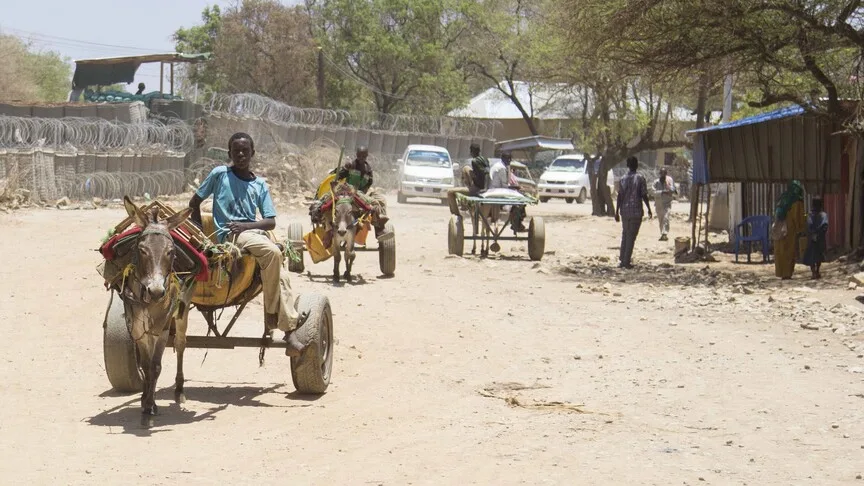
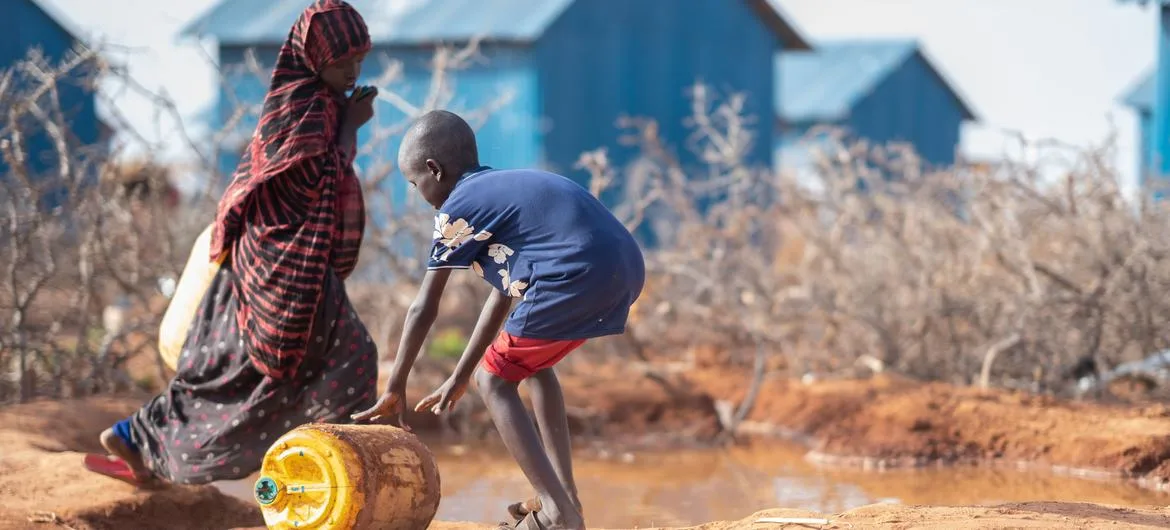
Fuel price increases have doubled water trucking costs in some areas, limiting access to clean water necessary for survival and sanitation [1]. The delivery of ready-to-use therapeutic food (RUTF) for malnourished children depends mostly on airlift due to Somalia-specific logistics challenges, making the supply chain vulnerable to fluctuating fuel prices [1].
UN agencies including the Food and Agriculture Organization (FAO), the UN Office for the Coordination of Humanitarian Affairs (OCHA), UNICEF, and the World Food Programme (WFP) have jointly called for scaled-up multi-sectoral assistance and sustained funding to avert famine [2]. FAO’s Somalia representative Etienne Peterschmitt said, "The country is at the precipice of a famine risk once again" [2].
Sandra Lattouf, UNICEF Somalia Representative, stressed the urgency: "Children across Somalia are facing a rapidly worsening crisis and time is running out" [2]. WFP official Hameed Nuru warned, "Any further delay could cost lives" [2]. UN Somalia’s top aid official George Conway said, "The situation is deteriorating faster than expected" and confirmed the speed of deterioration surpasses initial predictions [1, 2].
The crisis began with drought conditions in 2024 that have continued to erode food security [1, 2]. On May 15, 2026, UN agencies issued a joint warning calling for urgent humanitarian action to address the famine risk and widespread hunger [2].
Humanitarian response efforts remain critical to prevent famine and reduce malnutrition among millions in Somalia during the coming months.