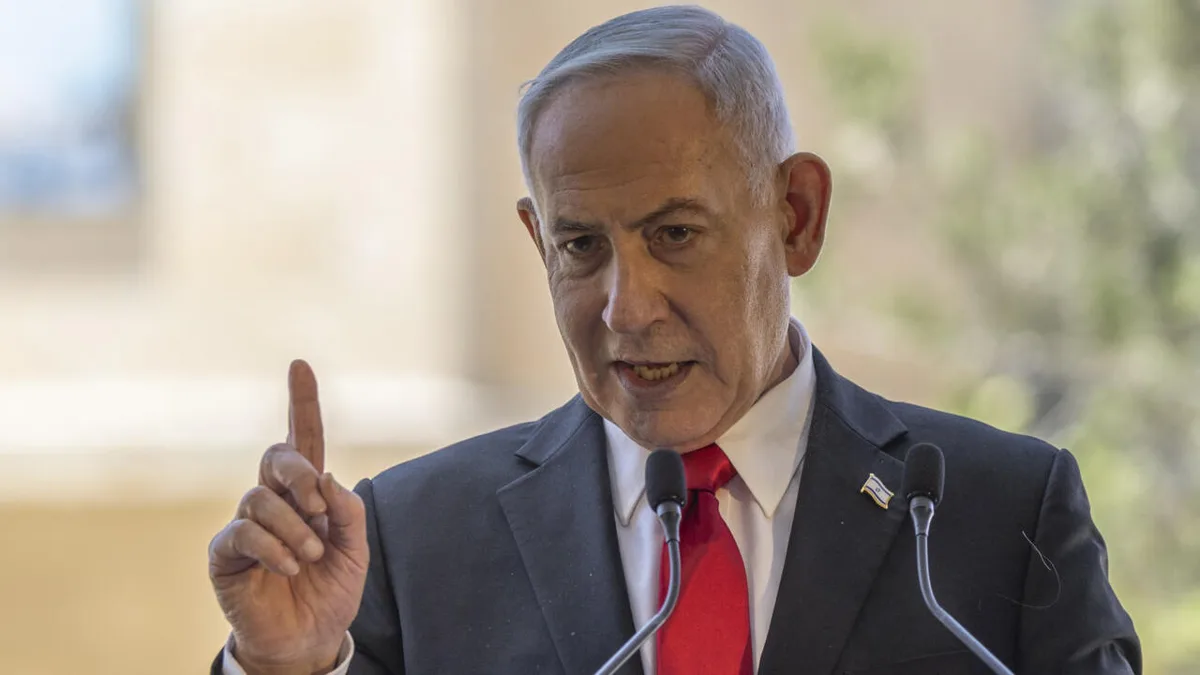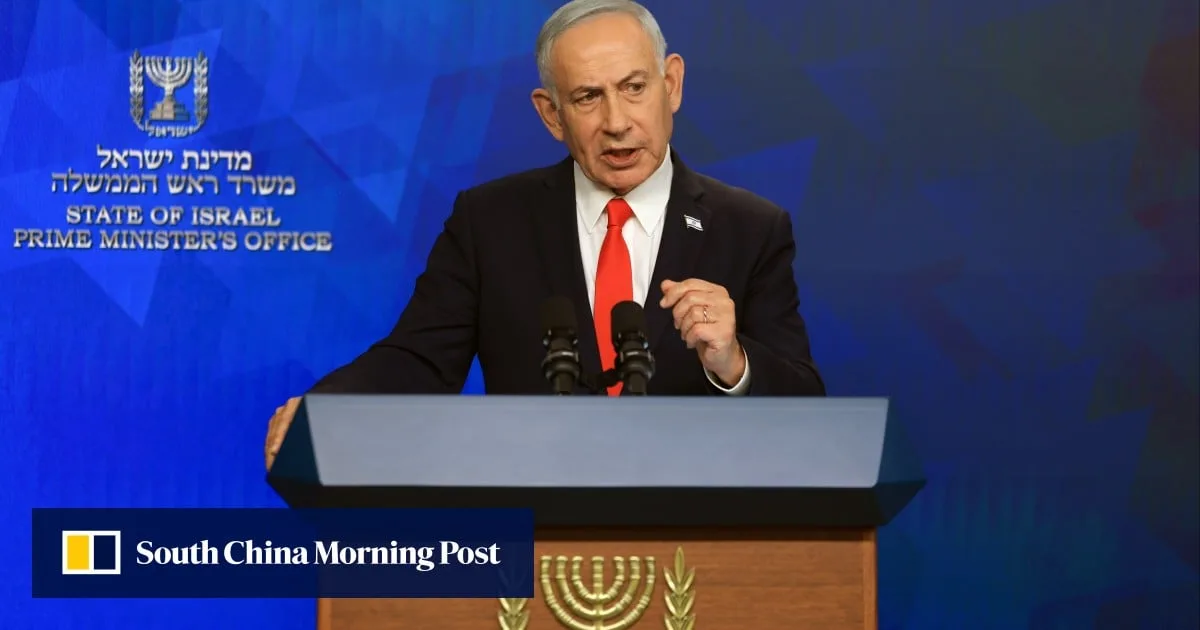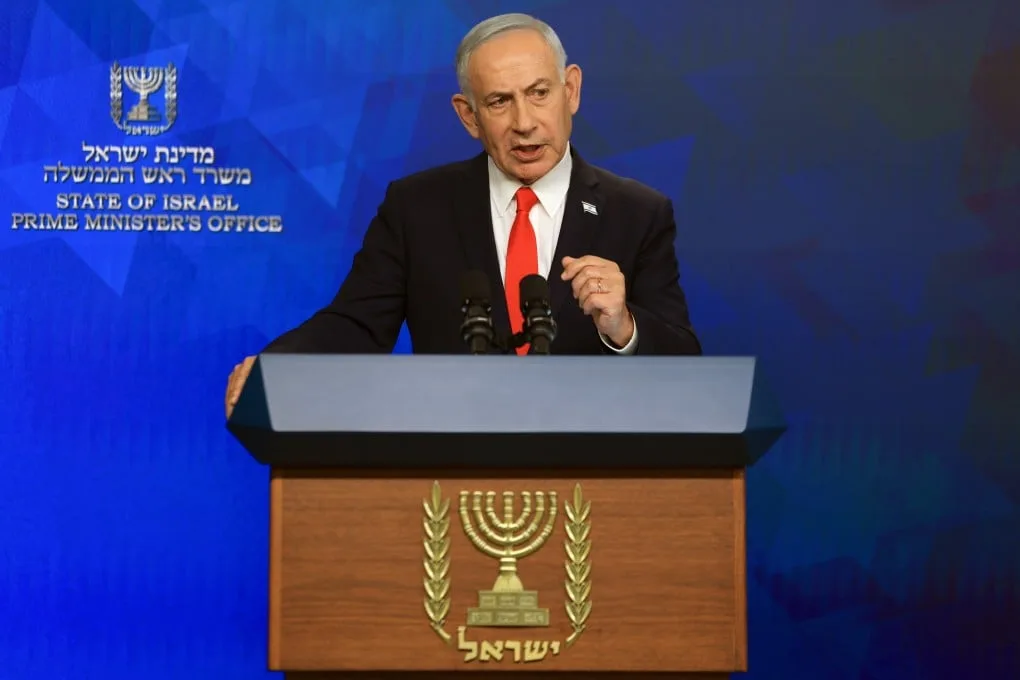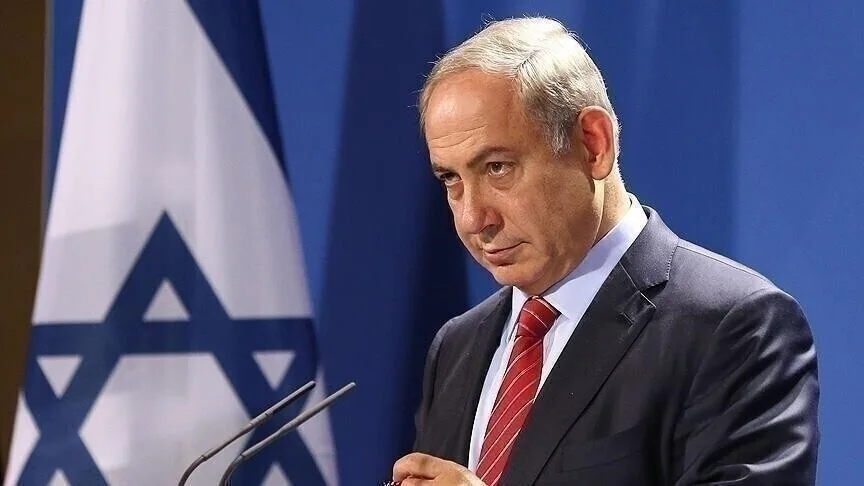
Israeli Prime Minister Benjamin Netanyahu said on July 5, 2026, that some Christian villages in southern Lebanon requested annexation by Israel to be protected from Hezbollah militants. He did not name the specific villages but stated, "Christian villages in Lebanon, some of them have actually asked to be annexed to Israel, because we protect them against the Hezbollah, Hezbollah fanatics who want to kill them" [1, 2, 3].
The claim was quickly denied by the Christian villages along the Lebanese border. Lebanese municipality leaders said residents "remain committed to the Lebanese state and its legitimacy, and have never deviated from this position despite the difficult conditions imposed by Israel's assault" [4]. The villages described Netanyahu's annexation claim as fabricated and an attempt to sow division amid the Israeli attacks and humanitarian crisis in Lebanon [4].
Since March 2026, southern Lebanon has been heavily affected by the war triggered when Hezbollah fired rockets at Israel in retaliation for the killing of Iran's supreme leader in joint US-Israeli strikes. Israel responded with massive airstrikes and a ground invasion targeting Hezbollah positions [1, 2, 3].
Some Christian villages in the south have endured Israeli shelling, displacement, and infrastructure damage but mostly remain inhabited despite evacuation orders. Residents have expressed loyalty to Lebanon and rejected any suggestion they sought Israeli annexation [1, 3, 4].
Israel’s military presence in southern Lebanon aims to protect Israeli citizens and residents of northern Israel from Hezbollah threats. Israeli military chief Lieutenant General Eyal Zamir visited troops near Beaufort Castle on July 5, 2026, vowing to continue removing threats from Lebanese territory [1, 3].
Christian villages in the Marjeyoun area issued a statement on July 3 denying any request for annexation, and repeated rejections followed on July 7, reaffirming loyalty to Lebanon and condemning Netanyahu’s remarks as false and divisive [1, 4].
Netanyahu reiterated on July 5 that Israel’s military will remain in southern Lebanon as needed to maintain security [1, 2, 3]. Israeli forces continue their operations amid ongoing conflict with Hezbollah in the region.