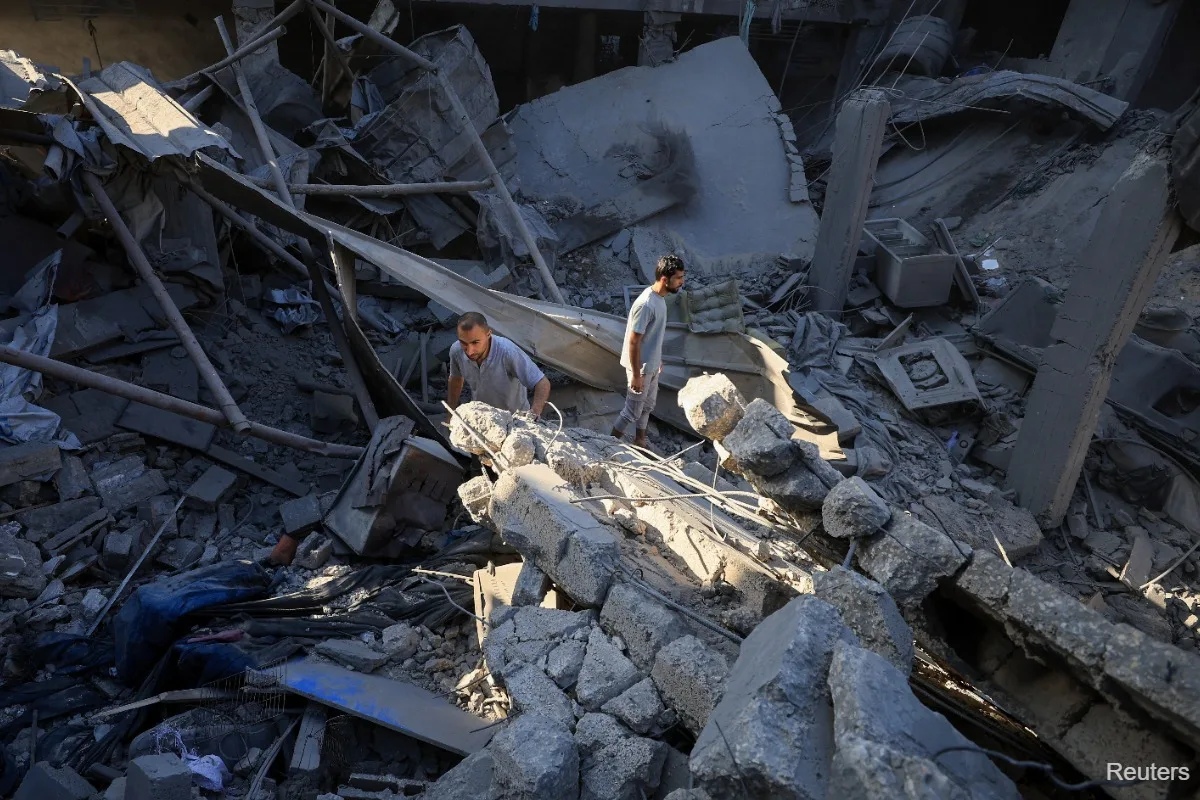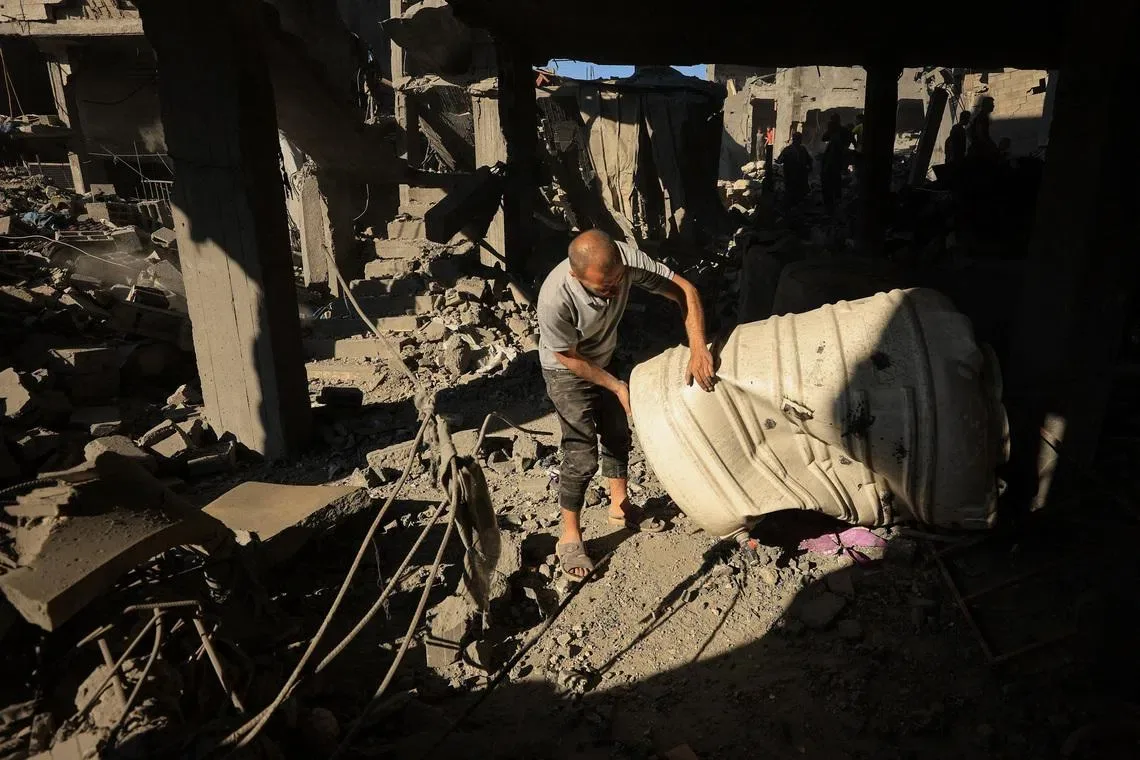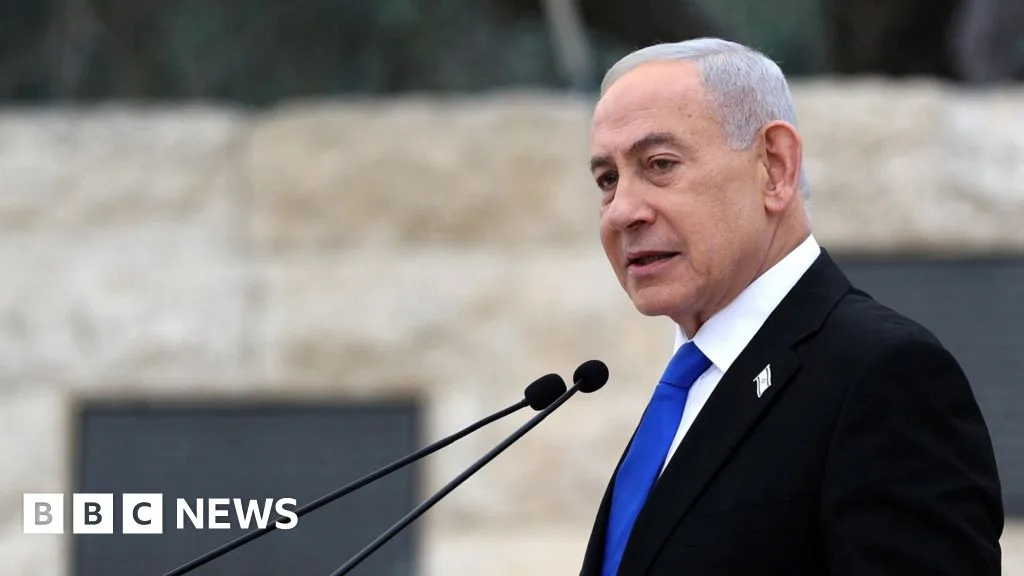
Israeli Prime Minister Benjamin Netanyahu ordered the Israel Defense Forces (IDF) on May 28 to expand control over the Gaza Strip from about 60-64% currently to 70% of the territory [1, 2, 3, 4, 5, 6, 7, 8, 9]. Netanyahu told reporters, "We are currently squeezing Hamas; we now control 60% of the territory of the Strip. My directive is to move to 70. Let's start with that. We're pressing them from all sides, we'll deal with the remnants" [1]. He emphasized stepping up pressure on Hamas, saying, "We were at fifty, we moved to sixty. My directive is to move to - let's go step by step. First of all, seventy. Let's start with that" [3].
This follows the October 2025 US-brokered ceasefire which set a "yellow line" with Israeli forces controlling roughly 53% of Gaza and Hamas the remainder [1, 2, 4, 10, 5, 6, 11, 9]. However, Israeli forces have unilaterally expanded beyond this demarcation in recent months, currently holding between 60% and 64% of Gaza territory as military maps from March 2026 show [1, 3, 5, 6, 7, 11, 9].
Israeli Defence Minister Israel Katz said the goal remains to eliminate Hamas leaders behind the October 7, 2023 attacks and to implement plans for "voluntary migration" of Gaza Palestinians to reduce civilian presence. He stated, "We pledged that Hamas will not rule Gaza civilly or militarily. The plan for voluntary emigration from Gaza would be implemented at the proper time and in the proper manner" [1, 2, 4, 5, 11].
The military has continued airstrikes since the ceasefire, killing at least 900 Palestinians according to Gaza's Hamas-run health ministry, which reported more than 900 deaths since the ceasefire began, though some sources cite at least 738 [2, 4, 12, 7]. On May 26, Israel killed Hamas’ new armed wing chief Mohammed Odeh, followed by strikes on May 27 killing at least ten people including five children when targeting two Hamas commanders in northern Gaza [1, 2, 3, 5, 7, 11].
Hamas denounced the expansion as a "dangerous escalation" and accused Israel of planning ethnic cleansing and forced displacement. Hamas spokesman Ismail al-Thawabta said, "Any attempt to impose a new reality of occupation in Gaza is null and illegitimate. Netanyahu's statement represents a dangerous escalation" [12]. Palestinians remain densely packed in the narrow coastal strip, raising concerns that further restrictions will worsen humanitarian conditions [3, 12, 7, 11].
Netanyahu’s order sets a new benchmark for Israeli territorial control in Gaza after quietly increasing from around 53% post-ceasefire to over 60% in recent months. Israeli military maps shared in March confirmed control expanded to about 64% [3, 5, 6, 11, 9]. The IDF is expected to begin operations to consolidate and broaden their hold on Gaza territory toward the 70% target in the coming weeks.