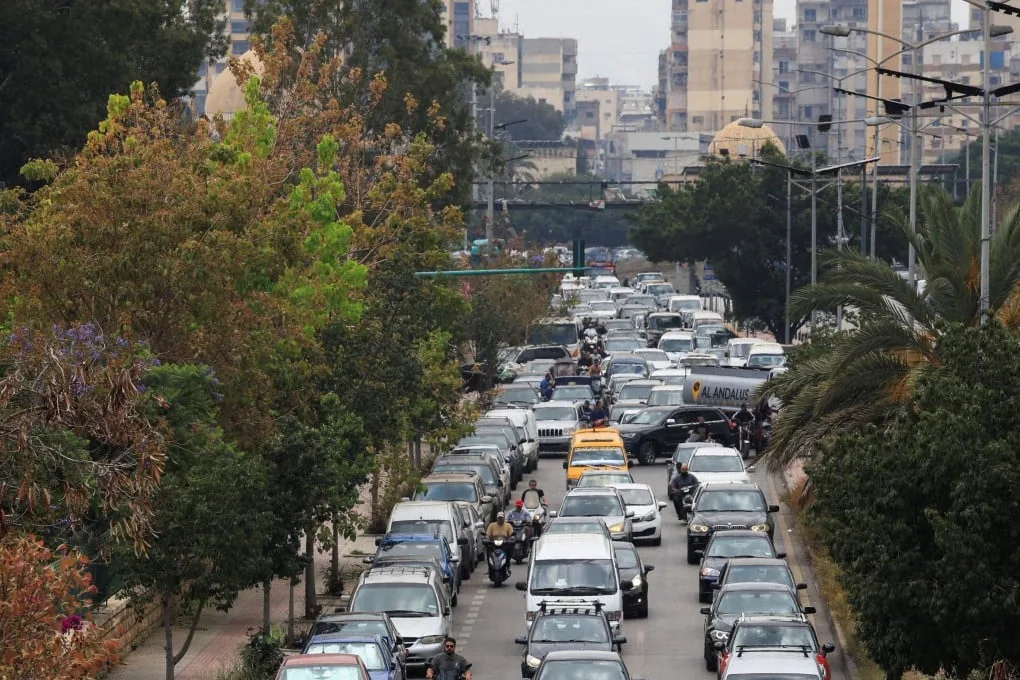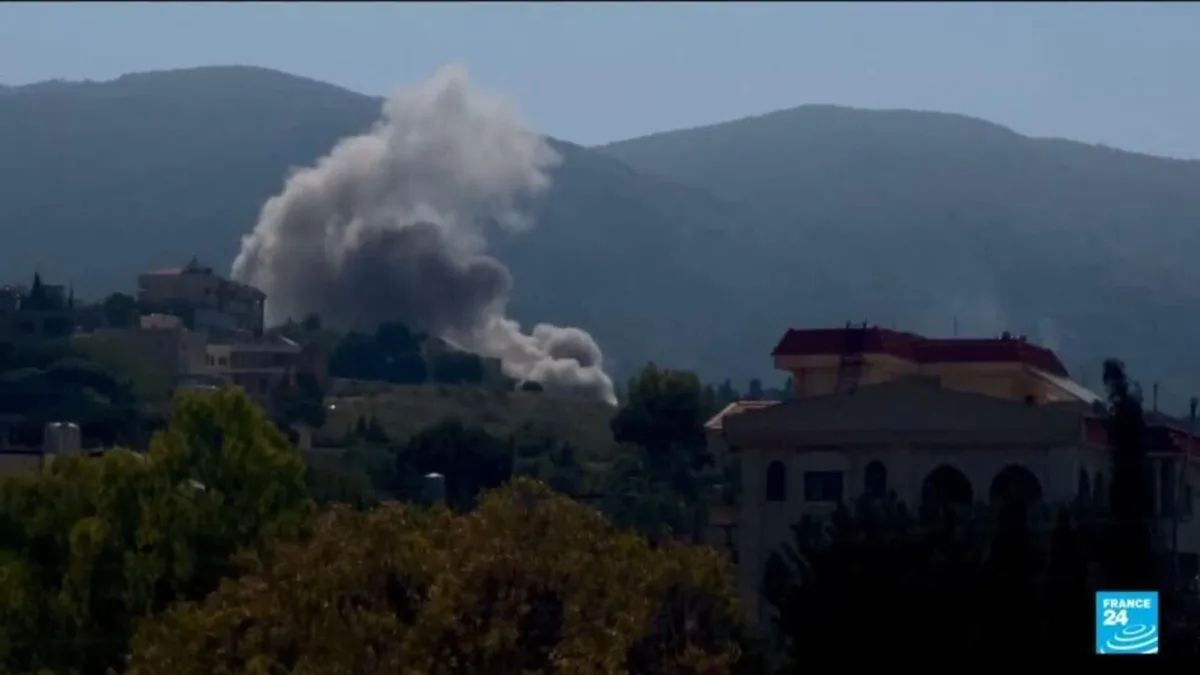
Israeli Prime Minister Benjamin Netanyahu ordered attacks on Hezbollah-controlled southern suburbs of Beirut on Monday, June 1, 2026. The strikes targeted areas known as Dahiyeh after Hezbollah’s repeated violations of a ceasefire and attacks against Israeli cities and citizens, Netanyahu said: "Strike terrorist targets in the southern suburbs of Beirut following Hezbollah’s repeated violations of a ceasefire and attacks against our cities and citizens" [1, 2].
The order came one day after Israeli ground forces captured Beaufort Castle, a 900-year-old historic site in southern Lebanon. This marked the deepest Israeli military advance into Lebanon in 26 years, with the seizure occurring on May 31, 2026 [1].
Israeli attacks in Lebanon began on March 2, resulting in more than 3,400 deaths across the country, according to the Lebanese Health Ministry [2]. Despite a US-mediated ceasefire that took effect on April 17 and was extended through early July, hostilities have continued. The ceasefire was announced by then-US President Donald Trump on April 16 [1, 2].
Iran’s foreign ministry spokesperson, Esmaeil Baghaei, said Israeli attacks in Lebanon have delayed diplomatic efforts between the US and Iran aimed at ending their conflict. Baghaei emphasized that "a Lebanon ceasefire was an integral part of any deal," highlighting the broader regional impact of the fighting [1].
The latest Israeli strikes underscore an escalation of military operations in Lebanon following the capture of Beaufort Castle. The conflict shows no sign of abating before the current ceasefire expires in early July 2026 [1, 2].