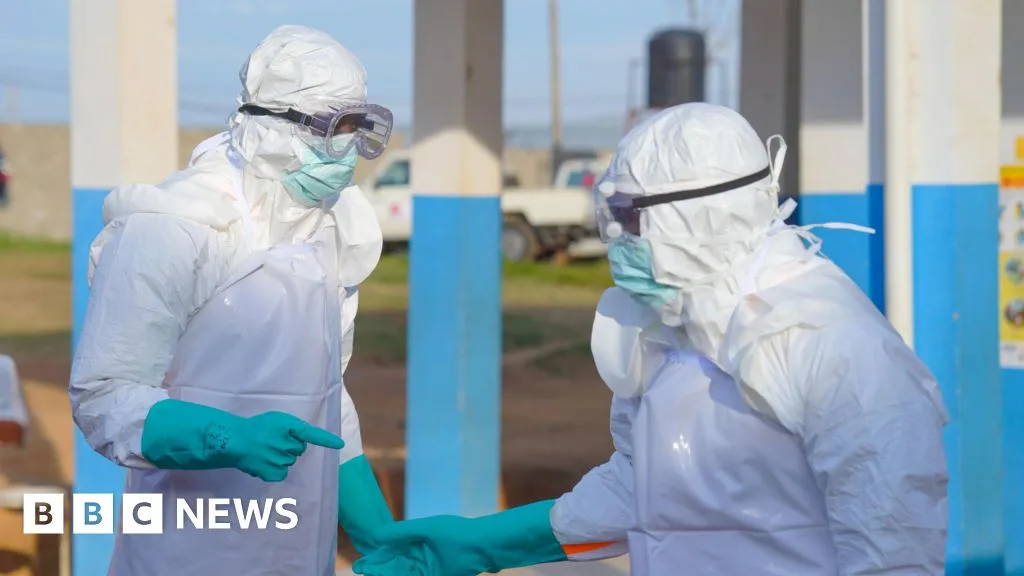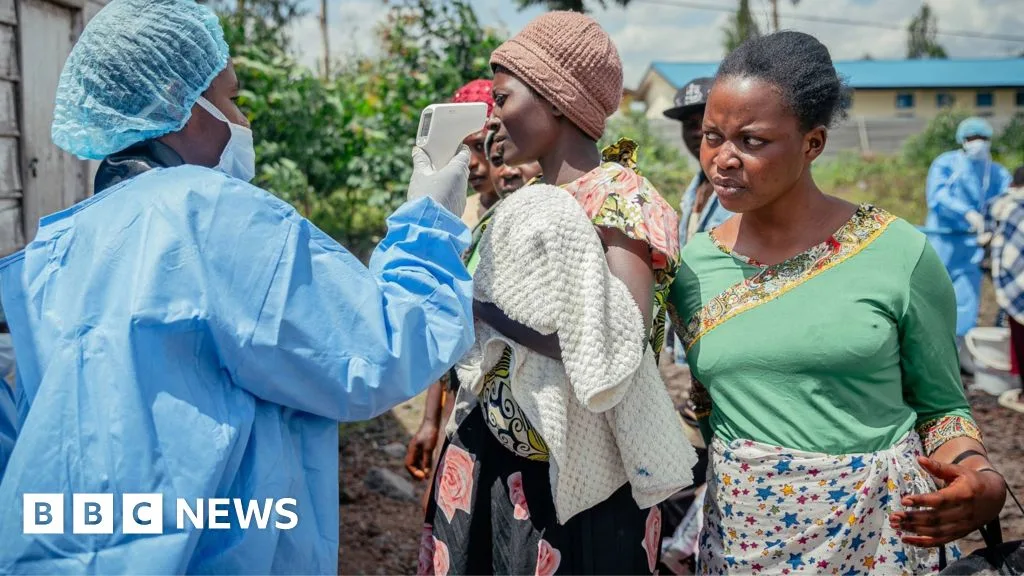
An Ebola outbreak caused by the Bundibugyo species has been declared in the eastern Ituri province of the Democratic Republic of Congo (DR Congo), affecting areas including Mongwalu, Rwampara, Bunia, and Nyakunde [1, 2, 3, 4, 5]. The first known case developed symptoms on April 24, 2026, in Bunia and died shortly after. The delayed detection allowed rapid spread [6, 2].
As of early June 2026, more than 750 suspected cases have been reported in DR Congo with deaths estimated between 60 and 177 depending on the source [1, 6, 2, 7, 3, 8, 9, 4, 5]. Confirmed cases range from around 82 to 380, reflecting ongoing data reconciliation [2, 3, 9]. The Bundibugyo strain involved is rare and has an estimated fatality rate around 30% [2, 7, 3]. It lacks any approved vaccine or specific treatment option at present [6, 2, 7, 3, 10, 4, 11, 5].
The World Health Organization (WHO) declared the outbreak a public health emergency of international concern on May 17, but said it does not constitute a pandemic [2, 12, 7, 3, 11, 5]. WHO Director-General Dr Tedros Adhanom Ghebreyesus said, "We are now revising our risk assessment to very high at the national level, high at the regional level, and low at the global level" [3]. He added the situation is complicated by conflict, stating, "The WHO cannot build community trust or isolate the sick while bombs are falling" [10].
The outbreak has spread beyond DR Congo’s borders. Uganda has reported at least two confirmed cases and one death [2, 3, 8, 9, 5]. Over 100,000 people have been displaced by ongoing conflict in Ituri which hampers response efforts and contact tracing [2, 10, 8, 9, 5].
Vaccines aimed at the Bundibugyo strain are in development, including an experimental vaccine from Oxford University that could enter clinical trials within months. Professor Lambe from Oxford’s vaccine group said, "Once we get starting material to them they can go fast and they can go big" [2, 7, 3].
Several countries such as Indonesia, Canada, the US, and the Bahamas have increased Ebola surveillance and imposed travel restrictions [10, 11]. Indonesia’s health ministry communications chief stated, "We are closely monitoring travellers, particularly from outbreak-affected countries" [11]. The Africa Centres for Disease Control and Prevention held urgent regional coordination meetings with DR Congo, Uganda, South Sudan, WHO, and partners on May 15 [1, 4].
WHO Director-General Tedros visited Ituri Province in early June to oversee containment efforts despite the challenging security situation [10, 8].
Symptoms of Ebola include fever, muscle pain, fatigue, headache, and sore throat, progressing to vomiting, diarrhoea, bleeding, and organ failure. The virus spreads through direct contact with the bodily fluids of infected persons or animals [1, 2, 12, 4, 11].