Brooklyn Rivera, a 73-year-old indigenous leader and founder of Nicaragua’s Yatama movement, died Sunday in state custody after nearly three years of detention, the Nicaraguan Ministry of Health announced [1, 2]. Rivera was arbitrarily detained upon his return to Nicaragua in September 2023 and held largely incommunicado without family contact or independent medical oversight [1, 2].
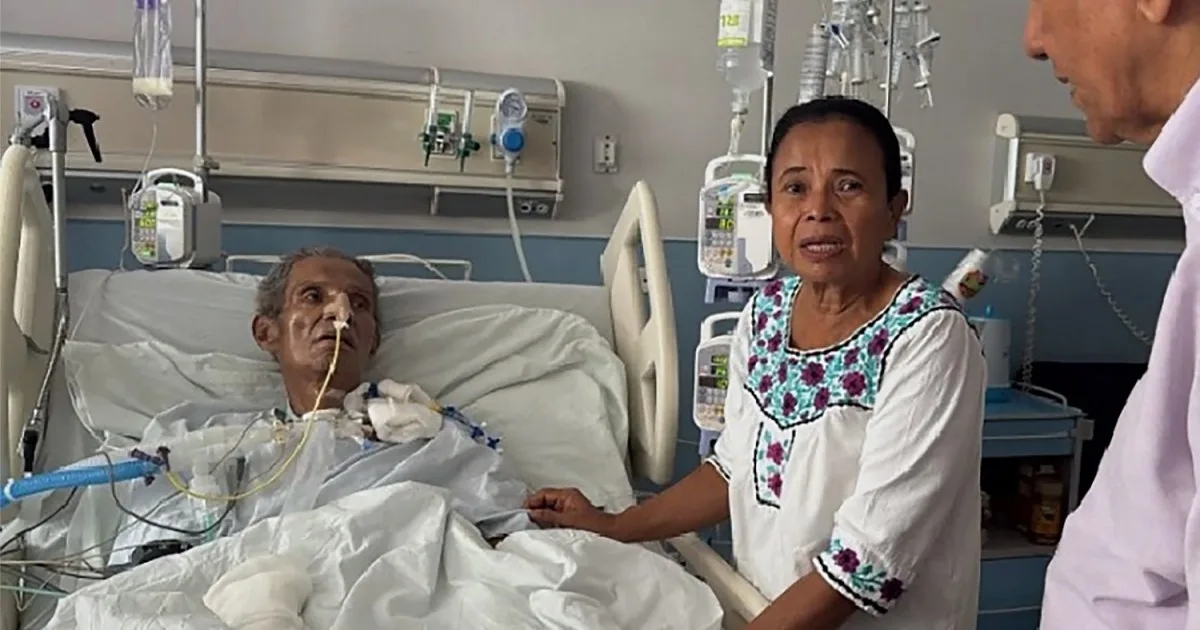
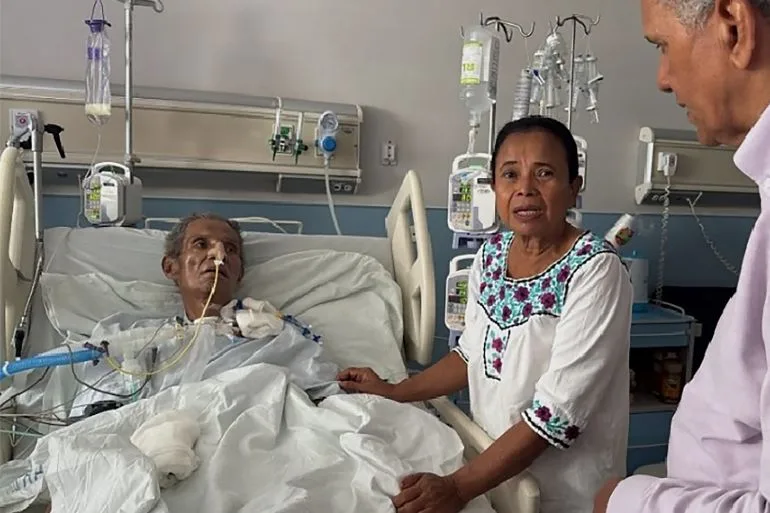
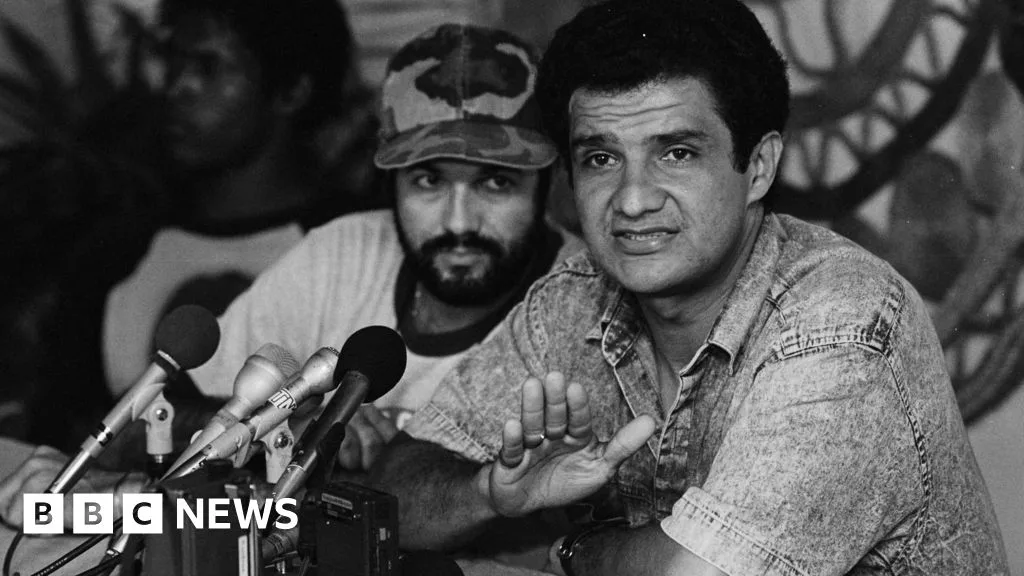
Rivera was known for opposing Daniel Ortega’s Sandinista government in the 1980s as part of an indigenous militia allied with the Contras [1]. The government acknowledged his detention publicly for the first time on May 27, releasing hospital images showing him on mechanical ventilation via tracheotomy in critical condition [1, 2].
The Nicaraguan government stated Rivera died from physical and neurological deterioration linked to a COVID-19 infection, complicated by cerebral edema, respiratory infection, renal failure, and multiple organ failure [1, 2]. The Ministry of Health said Rivera was surrounded by family members at the time of his death and could not be transferred to another facility due to his deteriorating condition [1].
Opposition and human rights groups, however, rejected the government’s account, accusing the Daniel Ortega and Rosario Murillo administration of political oppression. They blamed Rivera’s death on cruel treatment and enforced disappearance during detention rather than illness [1, 2]. Amnesty International spokesperson César Marín said, "Brooklyn Rivera must be released immediately and unconditionally. His critical health condition while in the custody of the Nicaraguan state confirms the extreme risk to which he has been exposed" [1]. UN human rights expert Reed Brody said, "If he is dead, it cannot be said that the cause was illness... The cause would be that he was in government custody in conditions of enforced disappearance for over two years, denied independent medical oversight. There is no other way to read this" [2].
The U.S. State Department condemned Rivera’s imprisonment as unjust. It called for the release of all political prisoners in Nicaragua, calling the repression "abominable" and "inhumanity abhorrent," and reiterated a call for their unconditional release immediately [1, 2].
Rivera's detention lasted nearly three years from September 2023 until his death in May 2026 [1]. Authorities publicly acknowledged his condition only months before his death and had kept him isolated prior to that [1, 2]. The government provided no independent access to Rivera during his detention [1, 2].