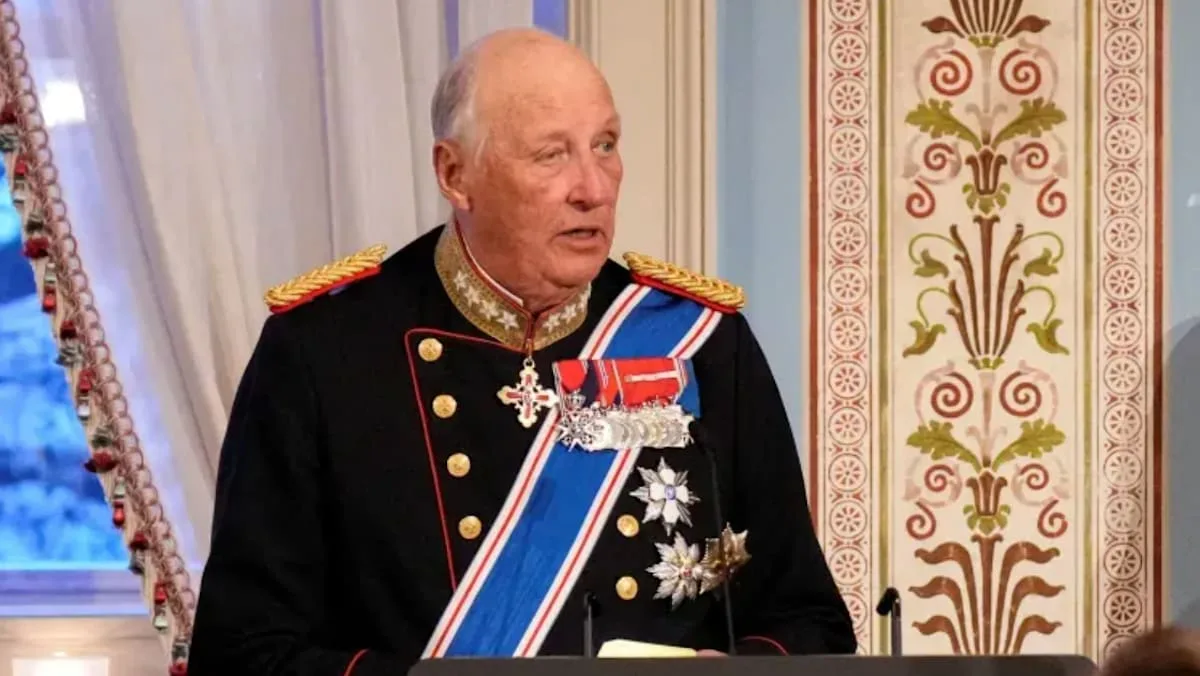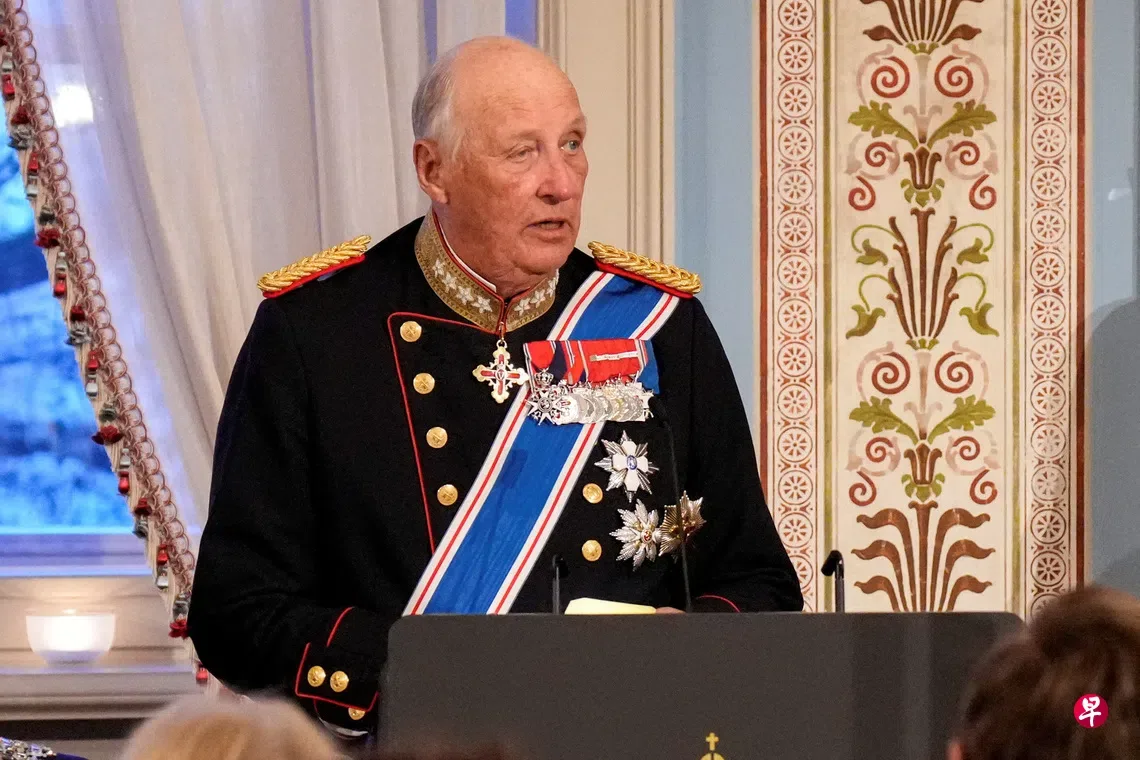
Norway's King Harald V, aged 89, has been hospitalized since August 17 at Oslo University Hospital for haemolytic anaemia, a blood disease that causes rapid destruction of red blood cells [1, 2, 3]. On August 27, the Royal Palace announced the King's health had deteriorated to an "extremely serious" or "very critical" condition [1, 2, 3].
Queen Sonja and Crown Prince Haakon, 53, acting as regent during the King's illness, canceled all royal engagements and remain at the hospital bedside [1, 2, 3]. Other royal family members including Crown Princess Mette-Marit—who underwent a lung transplant in July 2026—Princess Astrid, Princess Ingrid Alexandra, Prince Sverre Magnus, and Marius Borg Høiby have also visited the King in hospital [4, 5, 6, 7, 8].
The King has been receiving cortisone treatment, which led to fluid retention and required ongoing hospitalization [2, 9, 4]. King Harald ascended the Norwegian throne in January 1991 and is Europe's oldest reigning monarch [1, 2, 3]. In recent years, he experienced several health issues, including a pacemaker installation in 2024 and a reduction in public duties [1, 2, 9].
Norwegian Prime Minister Jonas Gahr Støre canceled a planned visit to Germany amid the crisis and expressed his and the nation's concern, saying, "I and the whole nation send the warmest wishes to the King and the royal family in this difficult time" [3, 4]. Members of Norway's Parliament also canceled or cut short foreign trips to return due to the King's worsening condition [3, 4].
The Norwegian public has gathered outside the Royal Palace in Oslo to lay flowers and offer prayers for the King's health [5, 6, 7]. The King remains under close medical supervision at Oslo University Hospital as both the royal family and government await further updates on his condition [1, 2, 3].