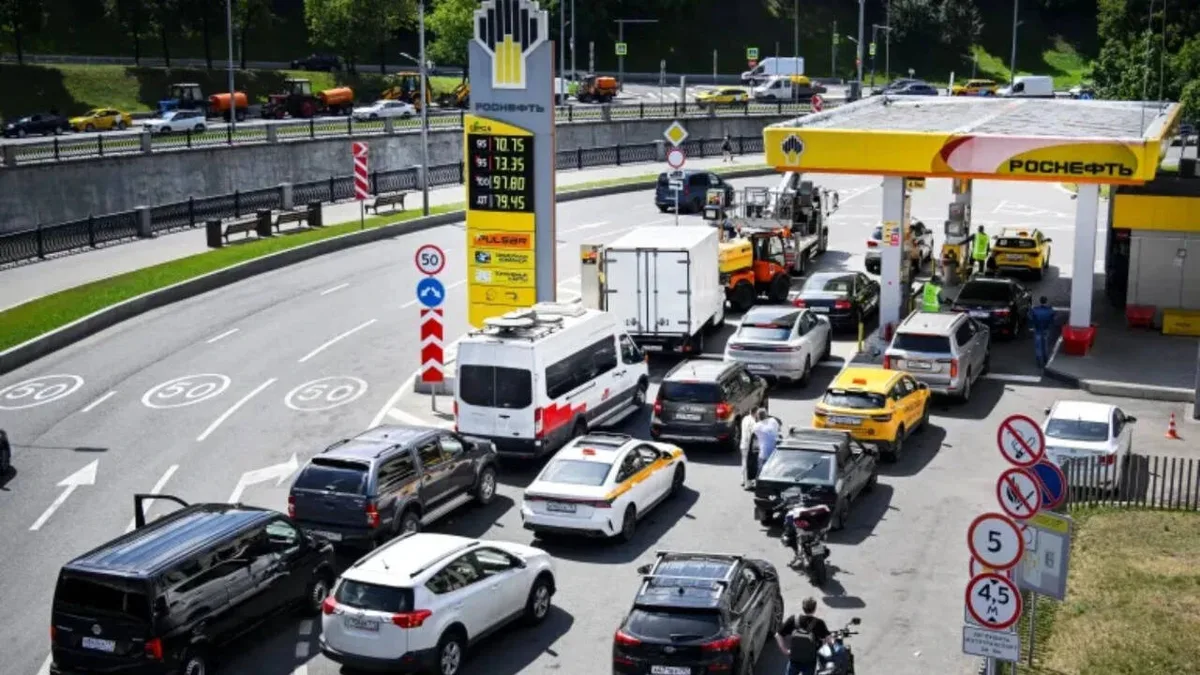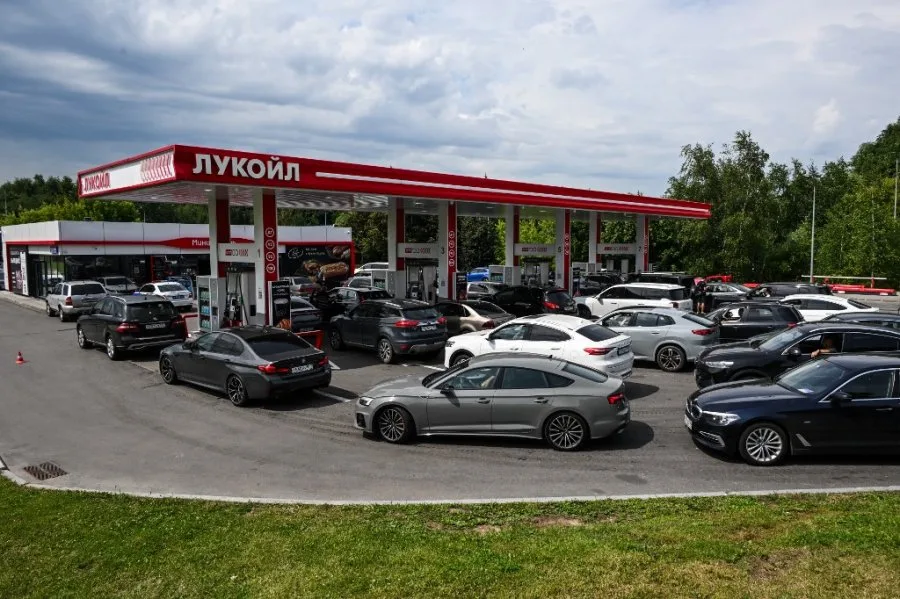
Russian authorities in the Novosibirsk region have called on residents to work remotely and reduce private vehicle use as a fuel crisis deepens across much of the country. The warning follows an attack earlier this week by Ukraine on an oil refinery in the adjacent Omsk region, knocking out one of Russia’s largest oil processing facilities and straining fuel supplies further [1, 2, 3, 4].
The Novosibirsk region is a major industrial hub in Siberia with a population of nearly 3 million people, making the fuel shortages there particularly impactful [1, 2, 3, 4]. Since June, over 90% of Russian regions have reported fuel shortages. Some areas have imposed rationing at gas stations and banned sales of fuel in jerry cans to curb demand [1, 2, 3, 4].
On July 8, the regional government issued a decree advising employers to switch employees to remote work to reduce fuel consumption. It also encouraged residents to limit driving private vehicles both within and outside the region until the current high alert over fuel shortages is lifted. The decree stated employers should "switch staff to remote working and reduce fuel consumption" and urged people to restrict driving [1, 2, 3, 4].
Russian media publicly announced the decree on July 10 [2]. Neighboring Siberian regions, including Tomsk and Irkutsk, have also urged remote work and travel restrictions as the crisis deepens [2].
The fuel shortages are part of broader disruptions linked to the ongoing 4.5-year conflict between Russia and Ukraine. Ukraine has targeted Russian oil and gas infrastructure in retaliation for attacks on Ukrainian civilians [2, 3]. While Russian President Vladimir Putin has acknowledged domestic fuel shortages, he described them as "not serious" and accused Kyiv of trying to sow division within Russia [2].
Novosibirsk authorities continue to monitor fuel supplies and the situation will depend on the restoration of refinery operations and supply chains disrupted by the Omsk attack. Until the high alert status is lifted, employers and residents in the region are expected to follow the guidance to cut fuel consumption.