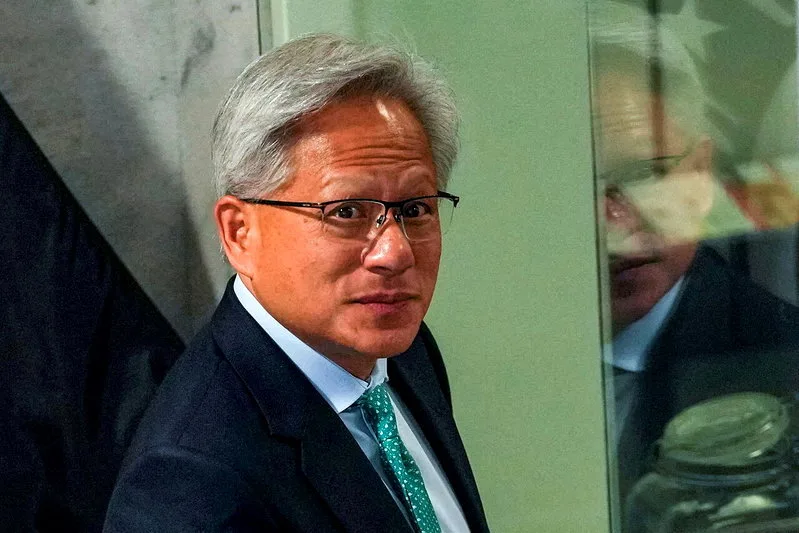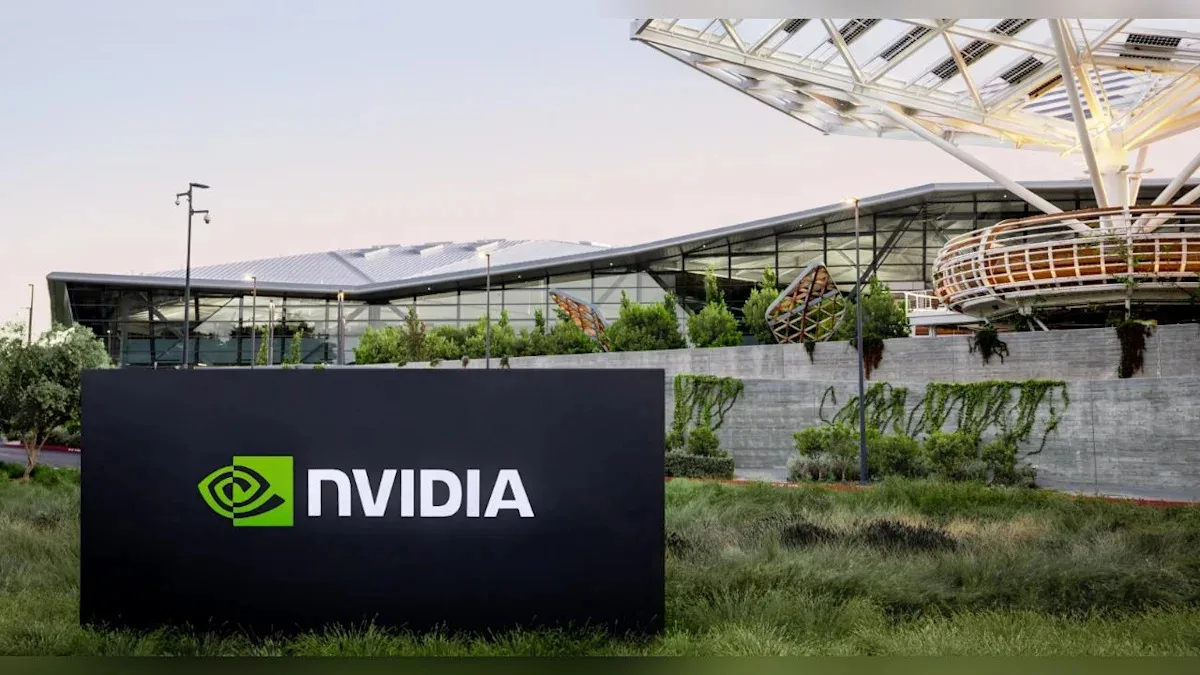
Nvidia Corp. filed paperwork with the Federal Election Commission on August 26, 2026, to establish the NVIDIA Corporation Employees Federal Political Action Committee (NVPAC) aimed at donating to US federal candidates. The PAC will be funded by voluntary contributions from eligible employees, with an annual cap of $5,000 per employee [1, 2].
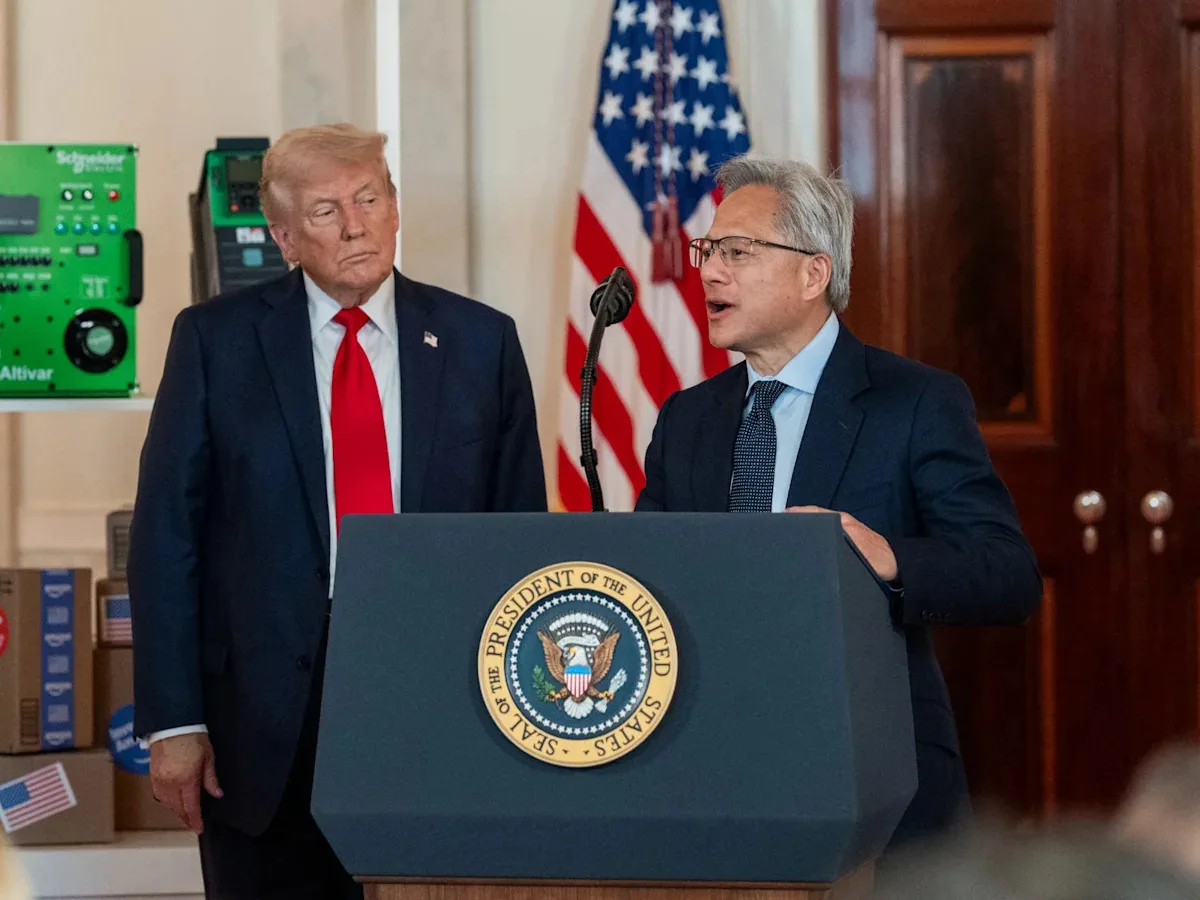
The creation of NVPAC comes as Nvidia seeks to expand its political influence in Washington amid mounting regulatory and public scrutiny over AI technology in the US. An internal Nvidia email to employees said, “The policies legislated by the U.S. Congress in the coming years will shape the AI industry’s development and Americans’ daily lives. AI has become a major focus for policymakers in Washington, and their decisions will directly impact Nvidia’s growth and our customers’ access to Nvidia technology” [2].
Nvidia joins other tech giants such as Meta Platforms and Alphabet, which have also established PACs to lobby for political candidates aligned with their interests [3, 4, 5, 6, 7, 8, 9, 2]. Nvidia has stepped up its political spending, having spent over $2.5 million lobbying the federal government so far in 2026, exceeding last year’s totals [2].
In June, Nvidia executives Gavin Sherry and Sundeep Madra donated a combined $443,000 to the Republican National Committee, signaling the company’s active engagement in US politics [3, 4, 5, 6, 7, 8, 9]. Despite media inquiries, Nvidia declined to comment on reports about the PAC formation [3, 4, 5, 6, 7, 9, 2].
Nvidia’s strong financial performance underpins its political efforts. The company’s Q2 2026 revenue doubled year-over-year with 106% growth, and it projects 70% revenue growth for fiscal 2028 [9, 2]. These robust results give Nvidia an expanded platform to influence policy on artificial intelligence and technology regulation.
News of the PAC’s launch surfaced internationally on August 27, 2026, drawing attention to Nvidia’s growing role in shaping US tech policy [7, 8, 9, 2].