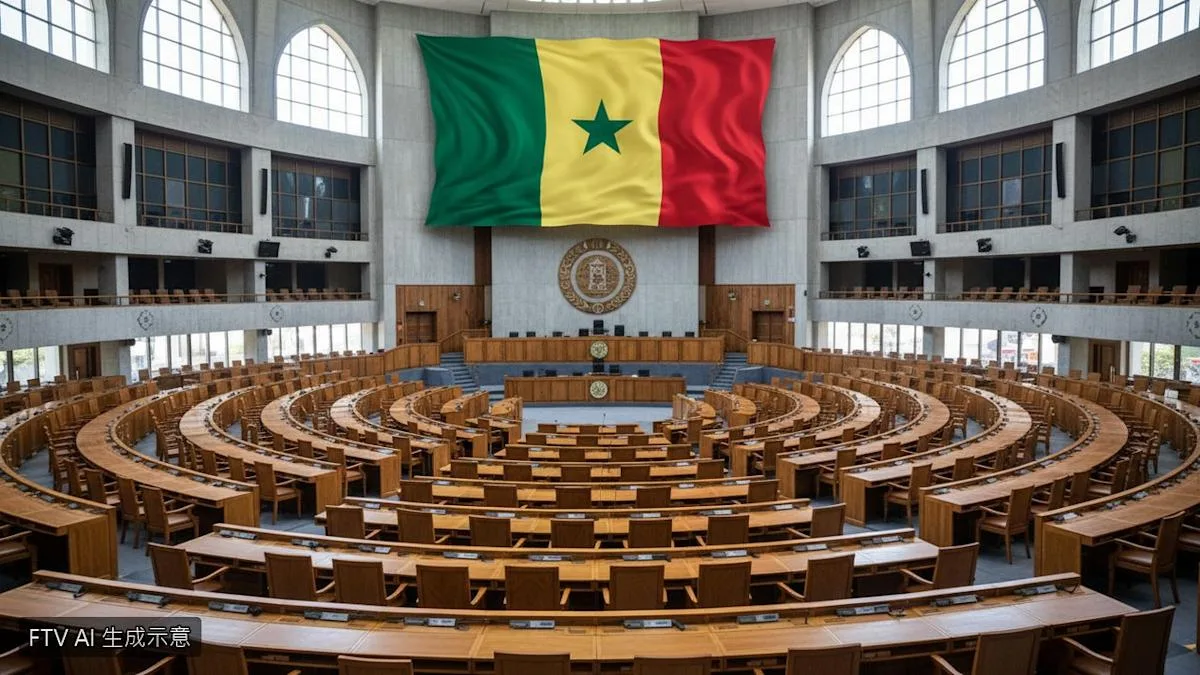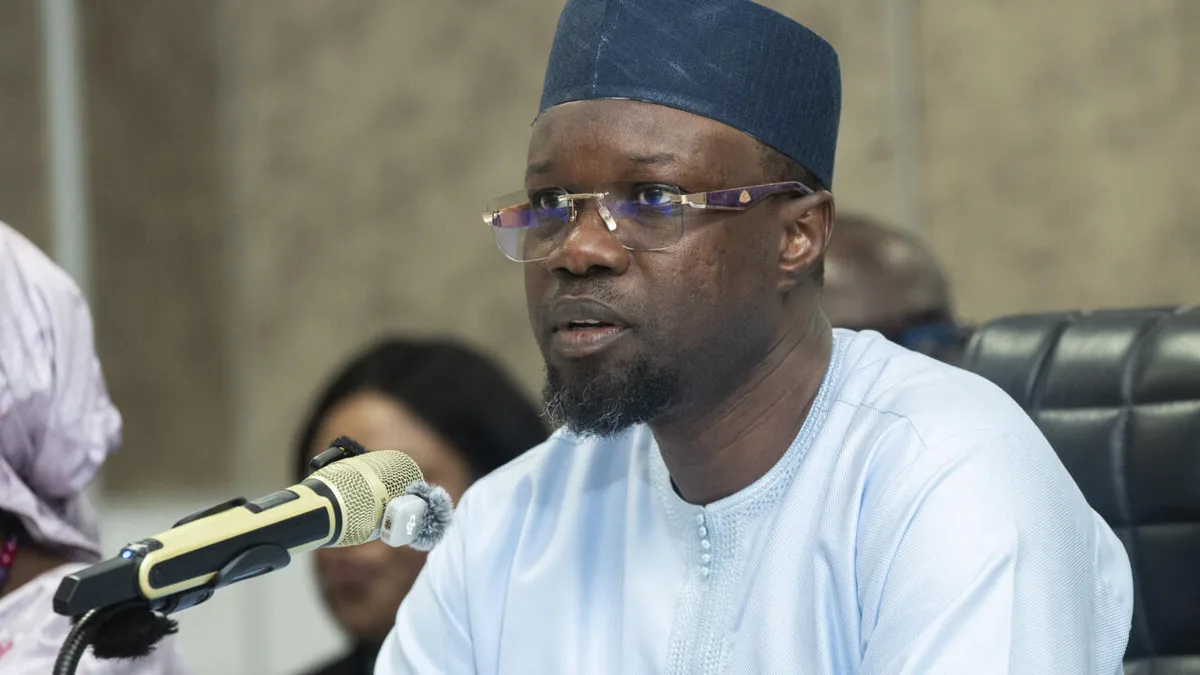
Senegal’s former Prime Minister Ousmane Sonko was dismissed by President Bassirou Diomaye Faye on May 22, 2026, deepening a political crisis in the country [1, 2]. Despite the dismissal, Sonko remains the Speaker of the National Assembly, maintaining a key role in Senegal’s political landscape [1, 2].
On June 6, 2026, Sonko was re-elected as the leader of the Pan-African Pastef party at a congress held in Diamniadio near Dakar. Pastef is the largest party in Senegal’s parliament, and Sonko’s re-election consolidates his influence amid the ongoing power struggle [1, 2].
The political tensions trace back to the 2024 presidential election, in which Sonko was barred from running and instead supported Faye’s successful candidacy. The relationship between the two leaders has since fractured, contributing to political uncertainty and instability in Senegal [1, 2].
Pastef’s internal divisions over the leadership rift complicate governance in a country grappling with heavy debt and pressing policy challenges [1, 2]. With Sonko holding dual roles as opposition party leader and parliamentary speaker, the struggle for power signals continued uncertainty.
The next key political event will be closely watched to assess the impact of Sonko’s leadership on Senegal’s governance and stability.