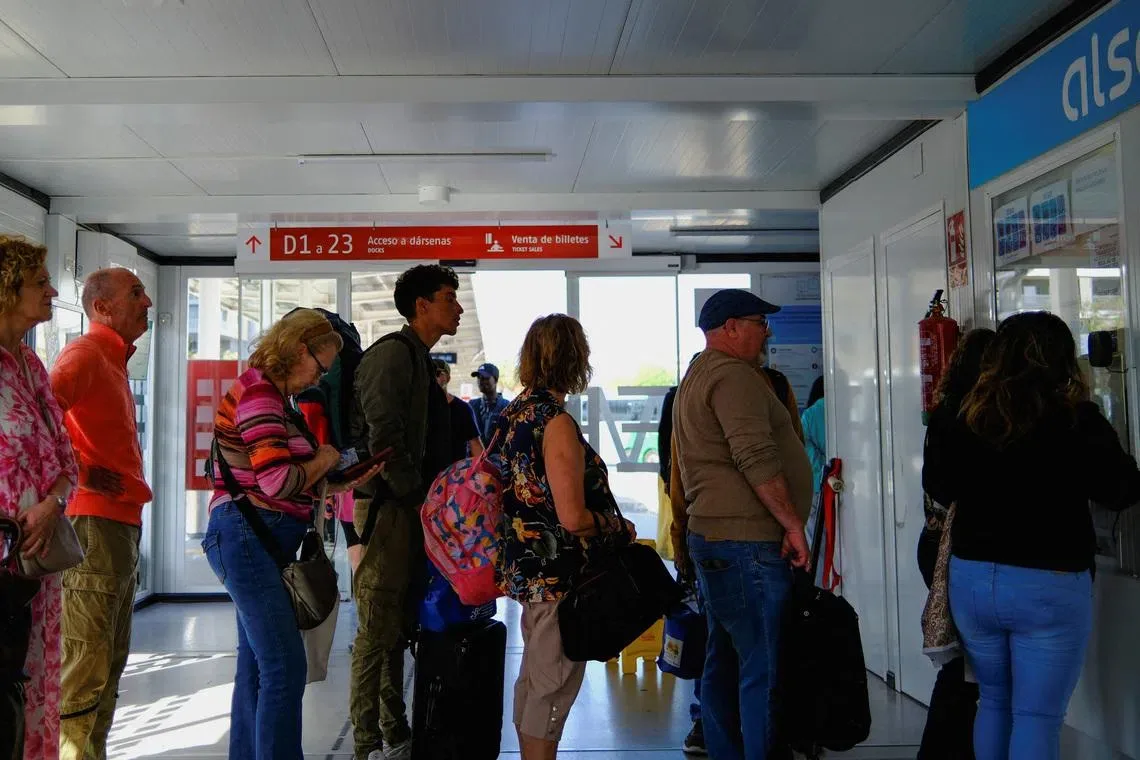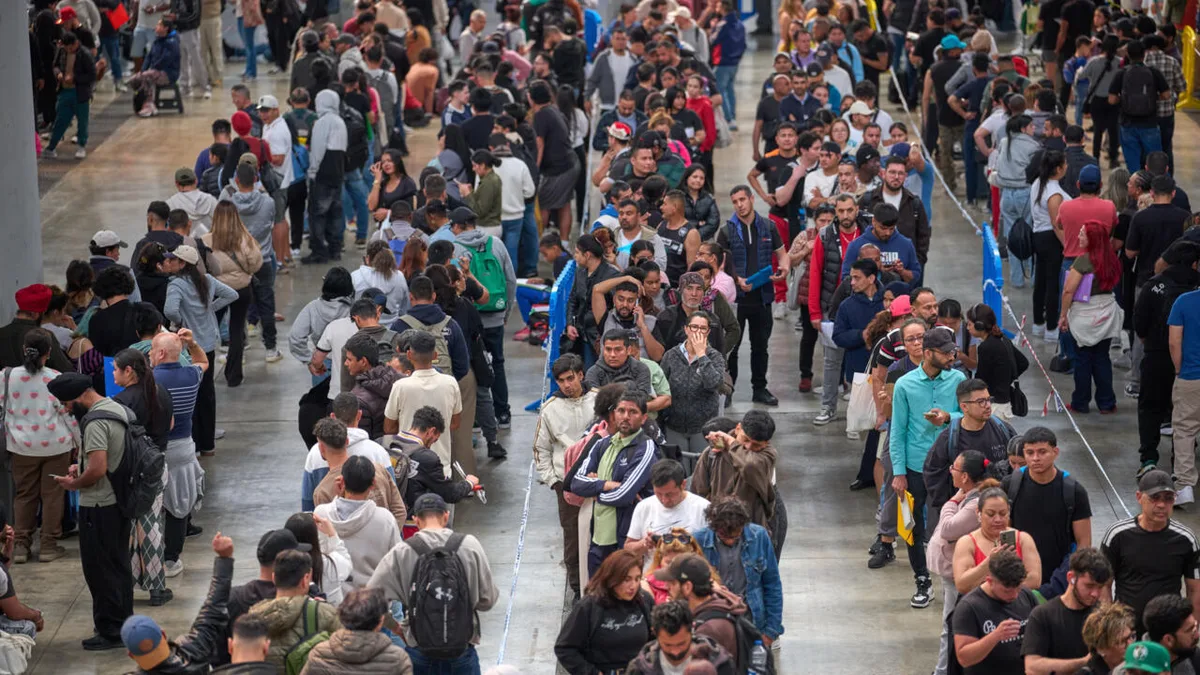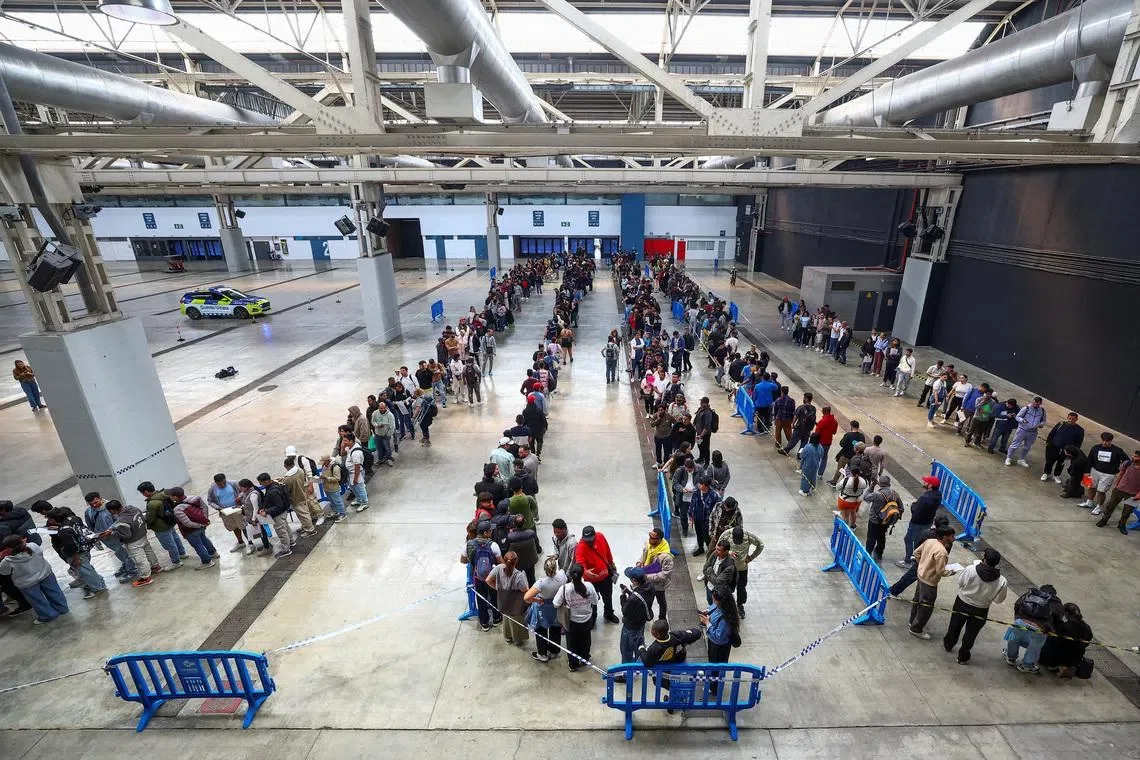
Spain launched its largest migrant regularisation scheme on April 15, 2026, allowing undocumented migrants who lived continuously in the country for at least five months before January 1, 2026, and have no criminal record, to apply for a renewable one-year residence and work permit [1, 2, 3, 4, 5, 6, 7]. The government initially expected 500,000 applicants but received over 1.17 million by the June 30 deadline, more than twice that forecast [1, 2, 3, 4, 5, 6, 7].
The scheme requires proof of a clean criminal record and continuous residence in Spain since before 2026. Authorities granted temporary work permits to 609,737 applicants to work legally while their applications proceed, with 160,000 securing formal employment by the application deadline [3, 5, 6].
About 67% of applicants are from Latin America, led by Colombia at 25.9% of the total; African countries account for 22.9% of applicants [5, 6]. Men constitute 57% of applicants, and roughly 80%-81% are younger than 45 years old [3, 5, 6]. Spain’s foreign-born population now represents about 20% of its total population of nearly 10 million residents [7].
Prime Minister Pedro Sánchez, head of the left-wing Socialist government, framed the scheme as vital for Spain’s economy and demographics. He said, "The fact that more than 1 million people submitted applications shows just how necessary this recognition of rights and responsibilities was" and warned that without immigration, Spain’s GDP would be 19% lower by 2050, closing tens of thousands of businesses and schools and eliminating farms [2, 6]. Sánchez added, "When we condemn a person to invisibility, I think we make our country a worse country. We all lose" and called for Spain to be viewed as a defender of human rights [4].
Opposition parties, including the People’s Party (PP) and Vox, criticized the scheme for potentially straining public services and changing demographics. The PP has filed legal challenges, and courts may refer issues about EU law compliance to the European Court of Justice [2, 7]. Inclusion Minister Elma Saiz said the regularisation had been "successful" and called opposition complaints "irresponsible" [7].
Some migrants from countries such as Mali, Iran, Venezuela, Algeria, and Nigeria face bureaucratic hurdles obtaining necessary documents. NGOs urged applicants to submit incomplete cases by the deadline to avoid losing the opportunity, as additional time will be allowed to provide paperwork. CEAR legal coordinator Elena Muñoz said, "If a case is not yet complete ... we will submit it before June 30 so that they do not miss the opportunity to benefit from the regularisation process" [1]. Cepaim director Juan Segura noted Venezuelans faced particular documentary delays and called for deadline extensions [1].
Officials continue processing applications and granting permits. The government initially forecast about 500,000 migrants would ultimately receive legal residence and work permits [1, 5, 6].