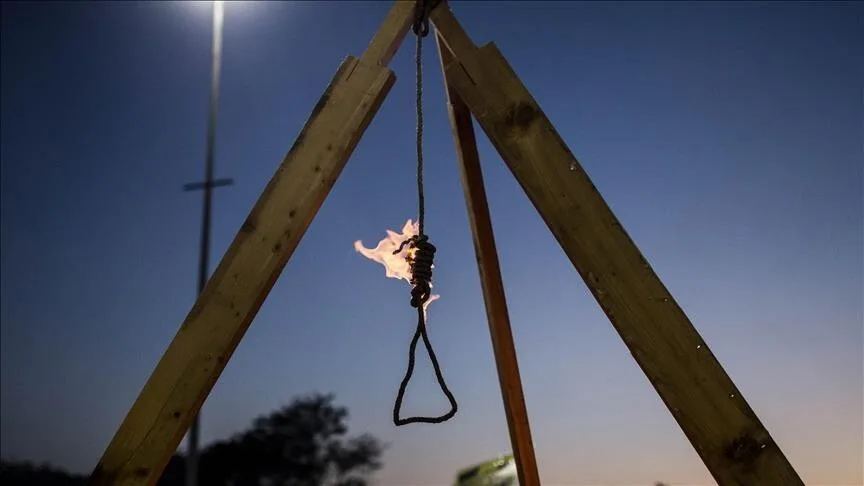
France, the UK, Canada, and more than 30 other countries, together with the European Union, issued a joint statement condemning Iran's use of the death penalty against protesters as repression of dissent on August 12, 2026 [1, 2, 3]. The statement demands an immediate halt to the executions and the release of all arbitrarily detained individuals [1, 2, 3].
Signatories include Australia, New Zealand, Ireland, Italy, Germany, Denmark, Spain, the Netherlands, Portugal, Sweden, and others, totaling 32 countries after additional signatories joined the initial 26 plus the EU foreign policy chief [1, 2, 3].
The statement asserts that "the use of capital punishment to silence dissidents, intimidate communities and punish individuals for exercising their fundamental rights can never be justified" [2]. It further condemns Iran for using the death penalty to intimidate society and punish people exercising their basic human rights [1, 2, 3]. The Iranian people "must be able to exercise freedom of expression and peaceful assembly without fear," the statement says [1, 2, 3].
Since March 19, 2026, UN data indicates at least 56 people have been executed in Iran on alleged national security charges, including 27 for protest-related offenses [1, 3]. More than 100 individuals remain at risk of imminent execution on similar grounds [1, 3]. UN and human rights groups have warned that these trials lack due process and often involve forced confessions [1, 3].
UN High Commissioner for Human Rights Volker Turk said Iran is using the death penalty as a tool to "create fear" among its population [1, 3]. French Foreign Minister Jean-Noel Barrot said, "在伊朗人民挺身而出要求正義與尊嚴,卻遭受大規模暴行襲擊的7個月後,這個政權仍持續進行處決," highlighting that the regime continues executions despite seven months of protests demanding justice and dignity [1].
The joint condemnation and call for detainee release followed months of unrest and rights abuses linked to nationwide protests. The coalition of countries urges Iran to cease these executions immediately and respect the fundamental freedoms of its people [1, 2, 3].