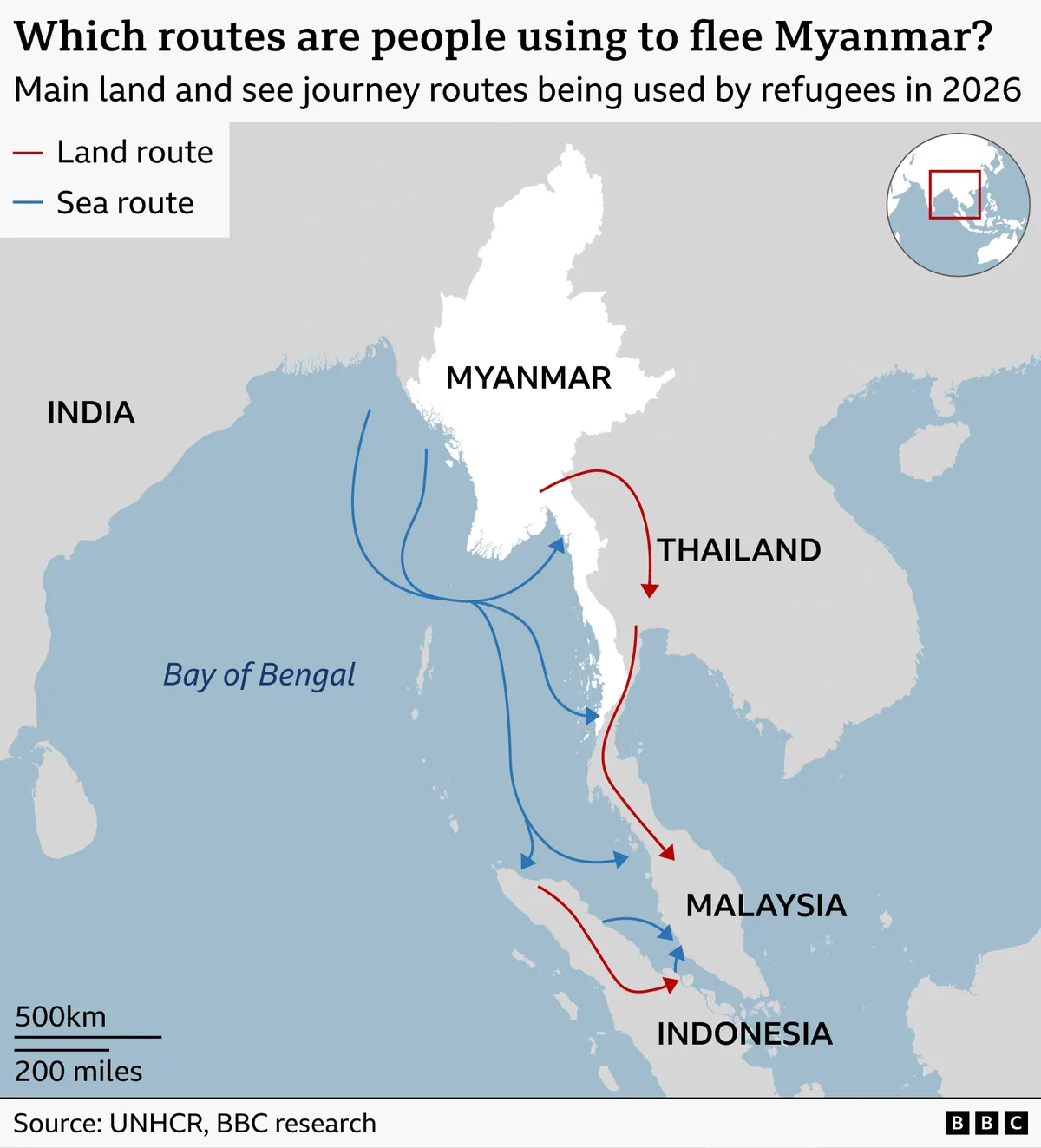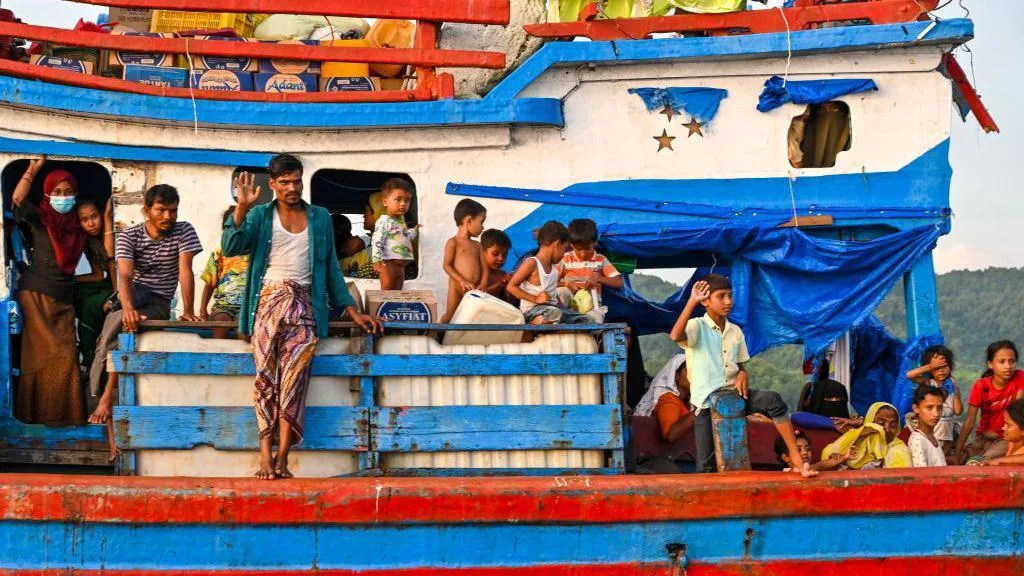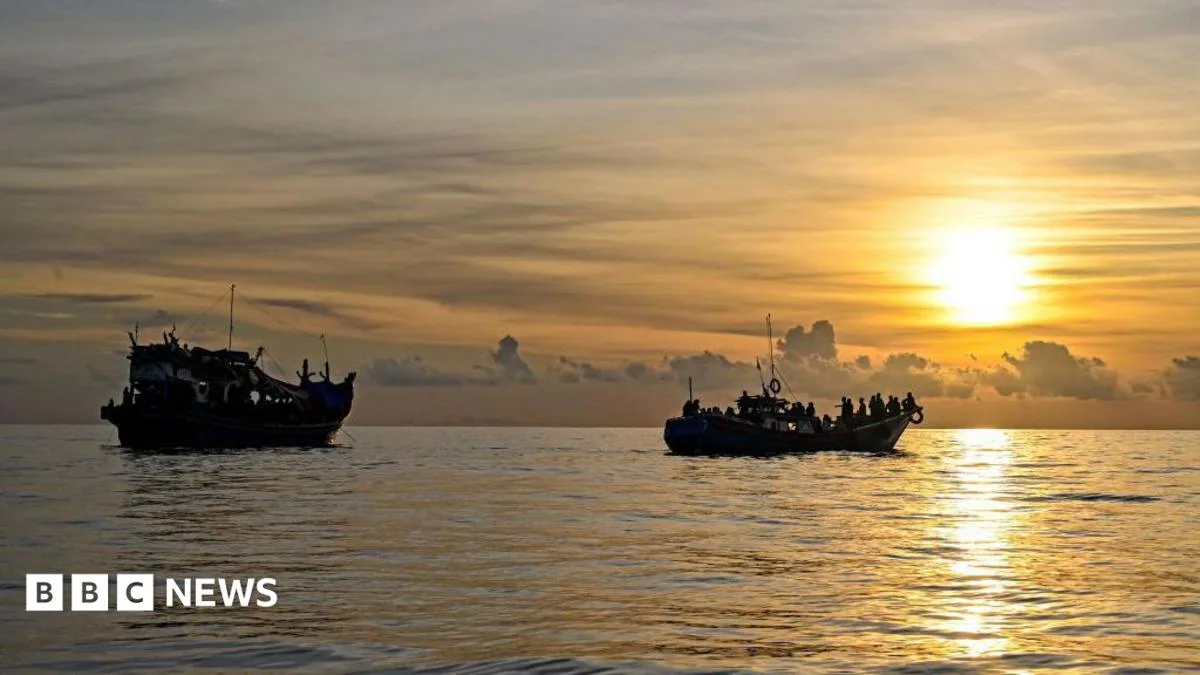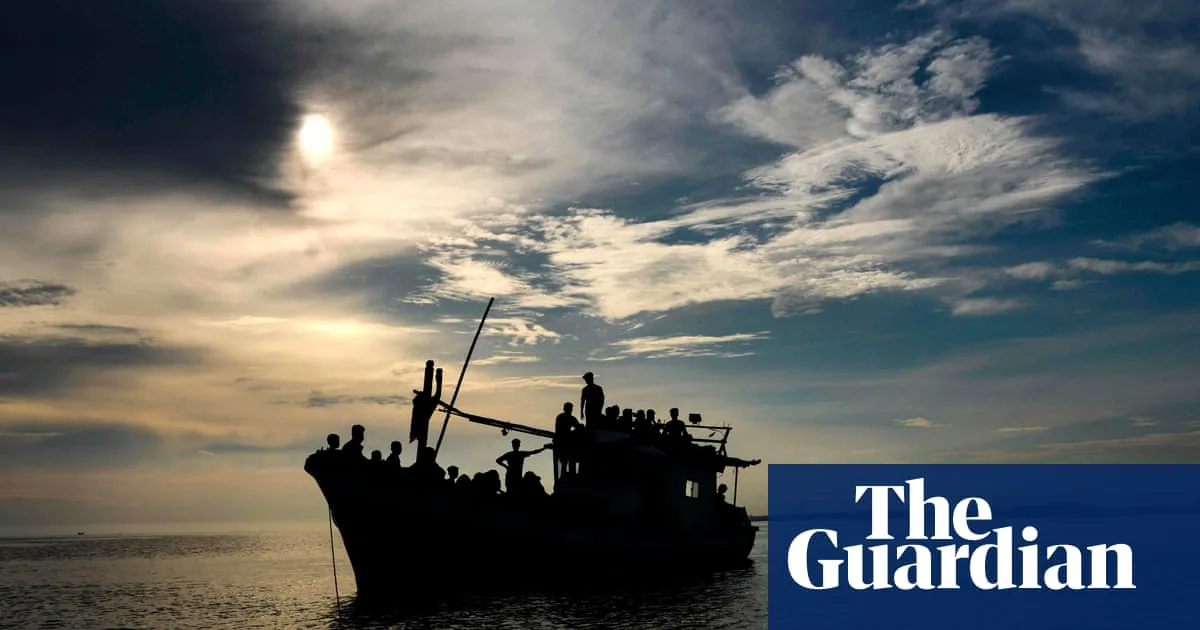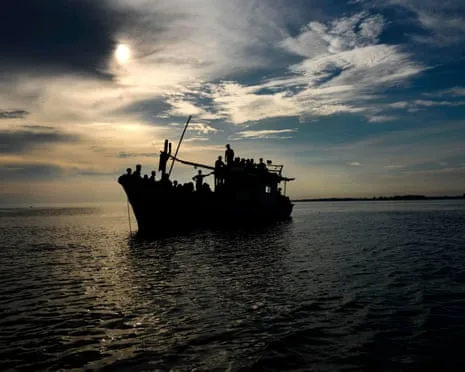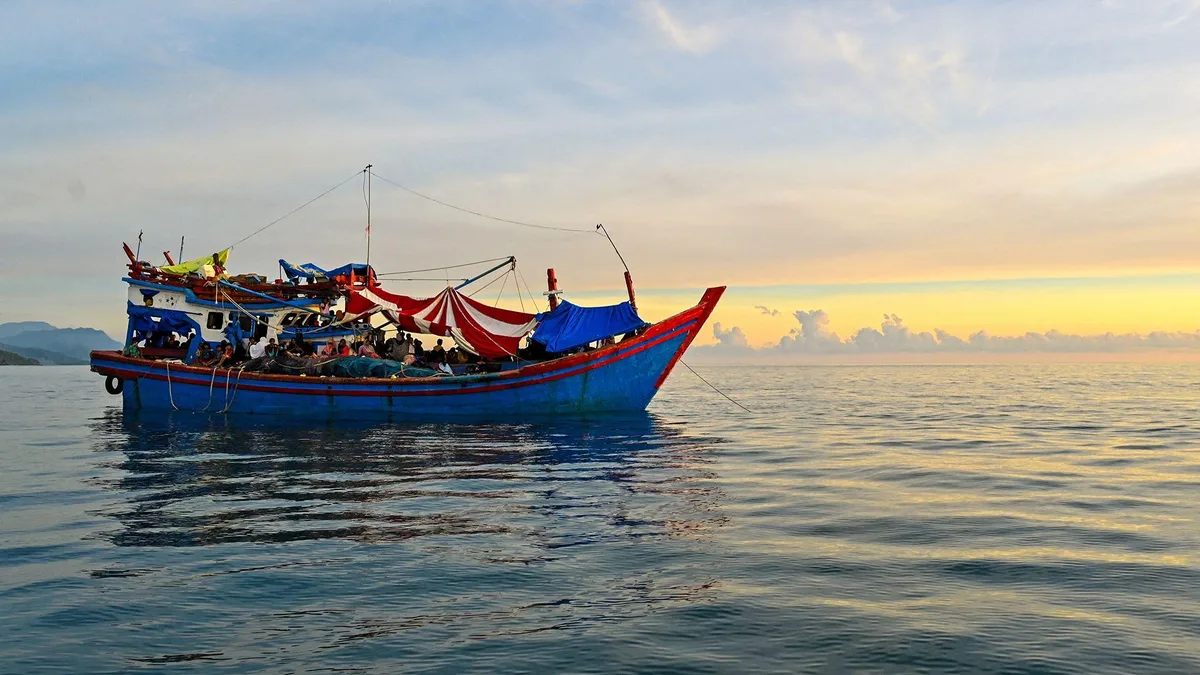
Two boats carrying over 500 Rohingya refugees departed Myanmar’s Rakhine State in late June and have not been heard from since, with both vessels likely capsizing at sea [1, 2, 3]. About 250 people were aboard the first boat, which lost contact shortly after leaving port [2, 3, 4]. The second boat, carrying roughly 280 passengers, reportedly sank off Myanmar’s Ayeyarwady coast on July 8, 2026 [2, 3, 5].
Most of those onboard were Rohingya Muslims fleeing conflict and harsh living conditions in Myanmar and overcrowded camps in Bangladesh’s Cox’s Bazar [2, 3, 6]. The refugees embarked on these dangerous journeys despite it being outside the normal sailing season, when the region faces severe monsoon rains and flooding that worsen maritime risks [2, 3, 4].
The United Nations agencies International Organization for Migration (IOM) and UNHCR expressed grave concern over the likely loss of over 500 lives. They called for stronger rescue operations and efforts to combat human trafficking [2, 3]. A UN statement said, “While the incidents and casualty figures have yet to be officially confirmed, UNHCR and IOM are gravely concerned by the potentially devastating loss of life” [2]. They added, “These journeys took place outside the regular sailing season, when maritime conditions are typically more hazardous. Recent torrential rain and flooding across the region have further increased the risks associated with such sea movements” [3]. The UN Refugee Agency also noted, “Most were Rohingya passengers risking dangerous sea journeys in search of safety” [7].
Bangladesh authorities recovered the body of one woman from the sea, and fishermen found several other bodies in waters between the Irrawaddy delta and Mon state coast [1]. Officials believe there are likely few or no survivors from the two shipwrecks [1, 8, 9]. The situation adds to a grim trend: nearly 900 Rohingya refugees were reported missing or dead at sea in the northern Indian Ocean during 2025 alone [3, 9].
Approximately 1.2 million Rohingya remain in overcrowded camps in Bangladesh with limited aid and no safe options for return to Myanmar, where conflict between the military and armed groups restricts communication and movement in Rakhine state [4, 9].
The initial departures occurred on June 29, 2026. The sinking of the second ship was reported on July 8, and UN agencies issued a joint warning on July 16 about the feared loss of over 500 lives [1, 2, 3]. Authorities and humanitarian groups continue monitoring the situation as search and rescue efforts remain limited.