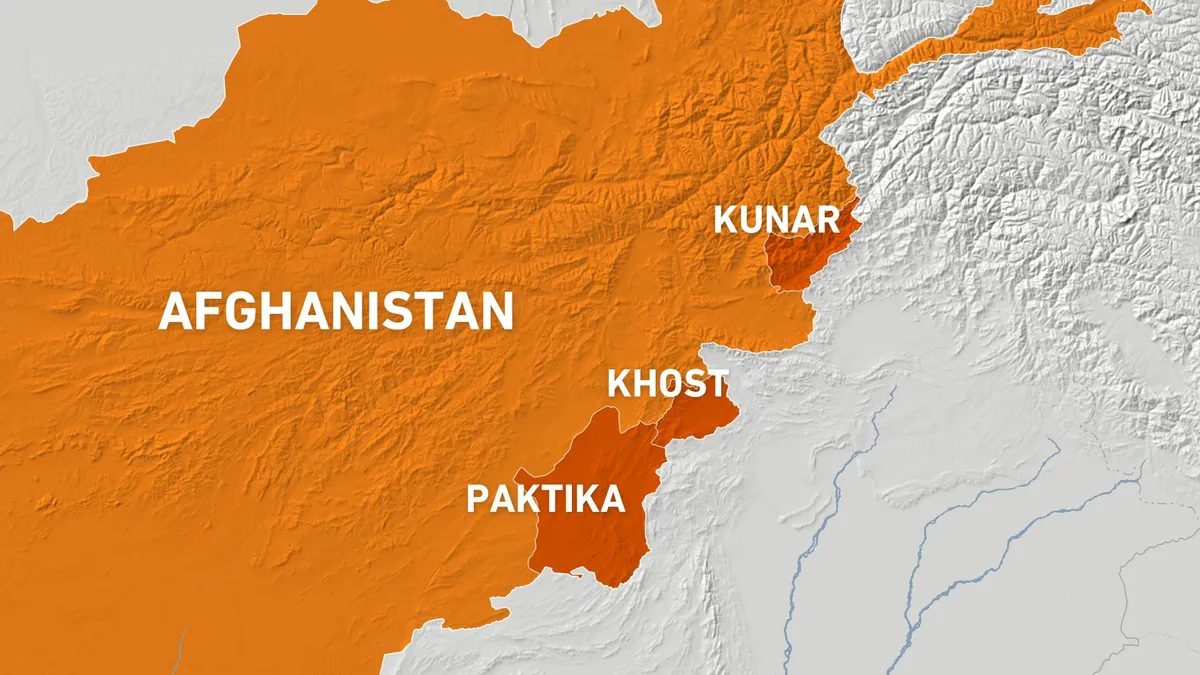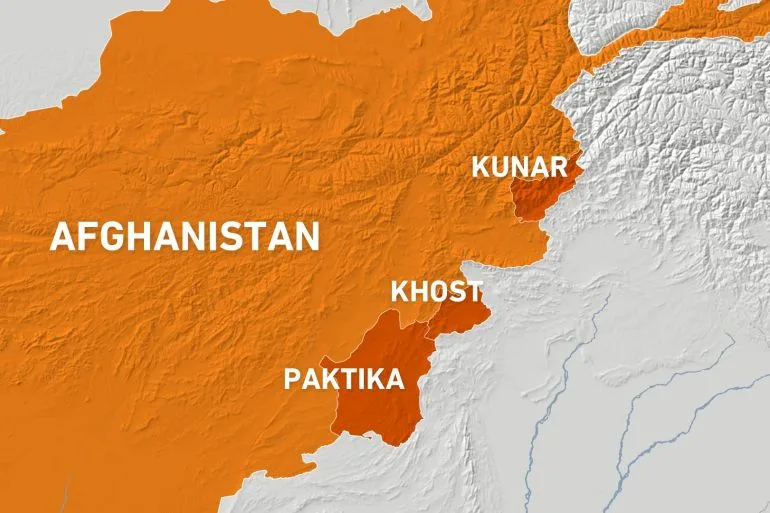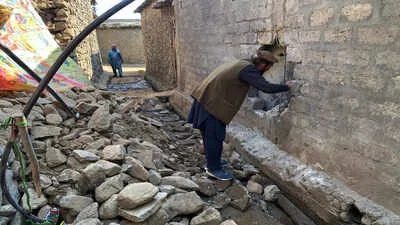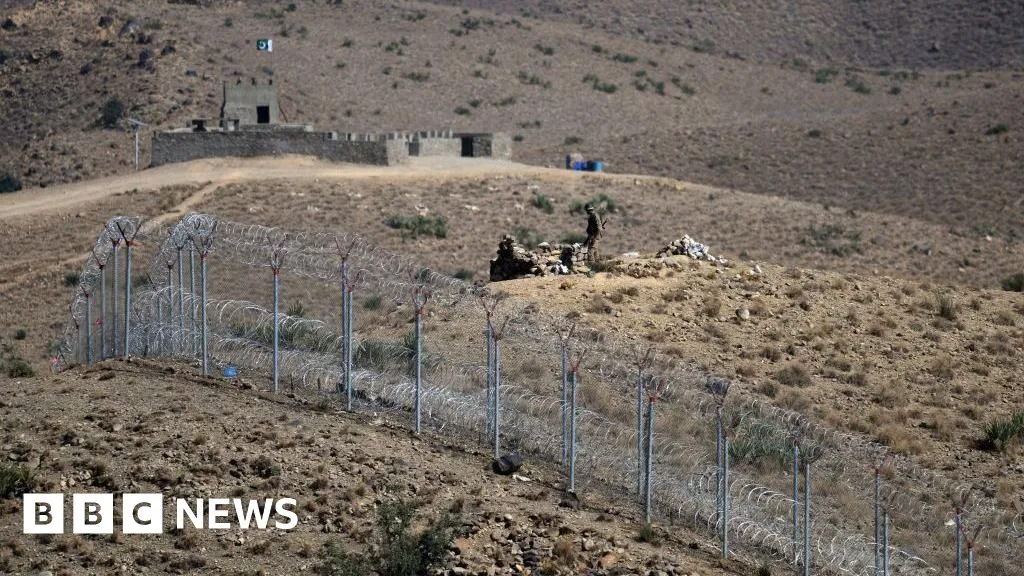
Pakistan launched air strikes on June 9 along the Afghanistan border, hitting militant hideouts and safe havens in the provinces of Kunar, Khost, and Paktika [1, 2, 3, 4, 5, 6]. Islamabad said the strikes killed 26 militants, including members linked to the Tehreek-e-Taliban Pakistan (TTP) [1, 3, 6]. Pakistani officials reported four militant targets destroyed, including a training center and an ammunition cache, while denying any civilian casualties [1, 3, 6].
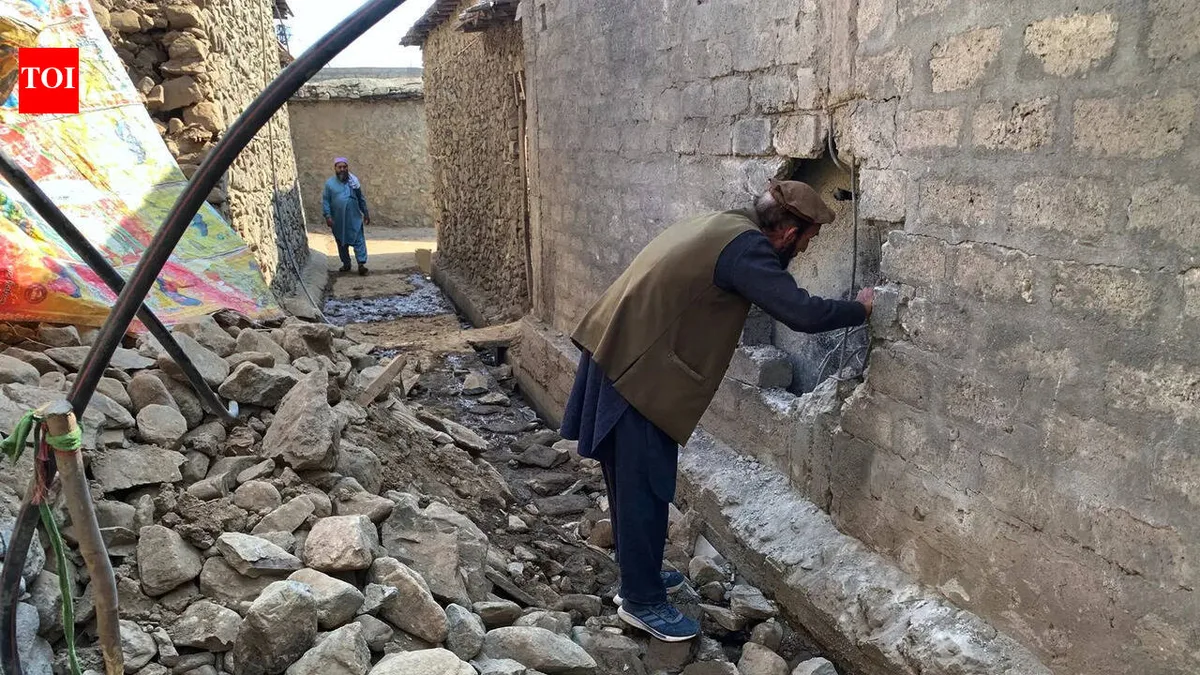
Afghanistan's Taliban government disputed Pakistan’s account, saying the strikes killed 13 civilians, including 11 children, one woman, and one elderly man, and injured 14 others, mostly women and children [1, 2, 3, 4, 5]. Taliban spokesman Zabihullah Mujahid called the attacks a "humanitarian crime and act of aggression," condemning the deaths in Khost, Kunar, and Paktika provinces [2, 4].
The strikes followed a period of relative calm after deadly border clashes between Pakistan and Afghanistan between February and March this year. Those earlier clashes killed at least 372 Afghan civilians, according to a UN report [2, 3]. On March 18, the two countries agreed to a ceasefire and held China-mediated talks in Urumqi to improve relations and border stability [5, 6].
Pakistan justified the air strikes as retaliation for recent terrorist attacks within its territory, accusing the Afghan Taliban government of sheltering the TTP militants responsible for those attacks [1, 3, 6]. Islamabad’s Information Minister, Attaullah Tarar, said, "Pakistan has always strived for maintaining peace and stability in the region, but at the same time the safety and security of our citizens remains our top priority" [1].
Afghanistan denied accusations that it harbors militants who carry out attacks inside Pakistan, maintaining its stance against such claims [1, 2, 5]. The latest air strikes risk undermining the fragile ceasefire and diplomatic efforts following months of deadly fighting.
No public response from Pakistan is reported yet regarding the Afghan civilian casualty figures. Both governments face pressure to prevent further violence along the porous border.
The situation remains tense, with no announced plans for renewed talks or ceasefire discussions after the strikes on June 9 [s1-s6].