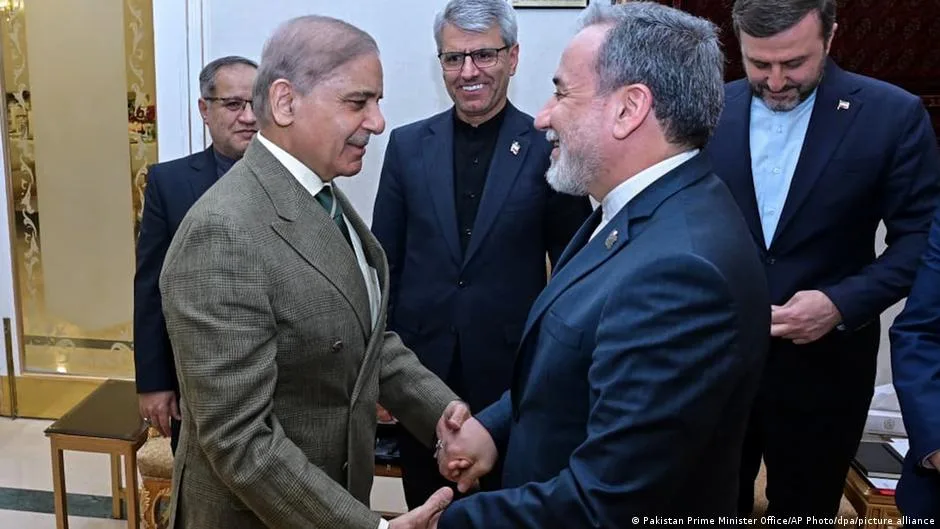
Pakistan’s Interior Minister Mohsin Naqvi arrived in Tehran on May 16 for a two-day visit aimed at facilitating peace talks between the United States and Iran that have stalled despite a fragile ceasefire, officials said [1]. The ceasefire announced on April 9 largely halted fighting that erupted after US and Israeli strikes on Iran on February 28 [1].
Last month, Pakistan hosted a high-stakes meeting between US and Iranian delegations as part of ongoing mediation efforts to de-escalate the conflict [1]. Pakistani officials view Gulf stability as closely tied to their own security and economic interests, placing the country in a leading role in the peace process [2]. An unnamed senior Pakistani official said, "Pakistan is trying its best to engage both parties and views the escalating tensions between Washington and Tehran with grave concern. We are committed to playing a constructive diplomatic role to support immediate de-escalation and a peaceful resolution in the interest of regional and global security" [2].
Iranian officials, including Foreign Minister Abbas Araghchi and Parliament Speaker Mohammad Bagher Ghalibaf, have laid out Iran’s demands and warned that rejecting their proposals could doom negotiations. On May 12, Ghalibaf said, "There is no alternative but to accept the rights of the Iranian people as laid out in the 14-point proposal. Any other approach will be completely inconclusive; nothing but one failure after another" [1]. On May 15, Araghchi announced that Tehran had received messages indicating Washington’s willingness to continue talks [1].
Pakistan has faced reputational risks amid the mediation. US media outlets reported earlier this month that Pakistan allowed Iran to station aircraft on its airbases, potentially compromising its neutrality [2]. Pakistan’s Foreign Office denied these claims as misleading, stating the activity was related to diplomatic logistics for peace efforts [2]. US Senator Lindsey Graham publicly criticized Pakistan following these reports [2]. Analyst Michael Kugelman noted, "Pakistan risks growing criticism if its efforts to revive US-Iran talks fail, especially after publicly taking a leading mediation role" [2].
The visit by Pakistan’s interior minister comes as the parties attempt to overcome a stalemate that has cast doubt over the ceasefire’s durability. The talks are expected to continue after Naqvi’s meetings in Tehran, though no new dates for meetings have been announced [1].