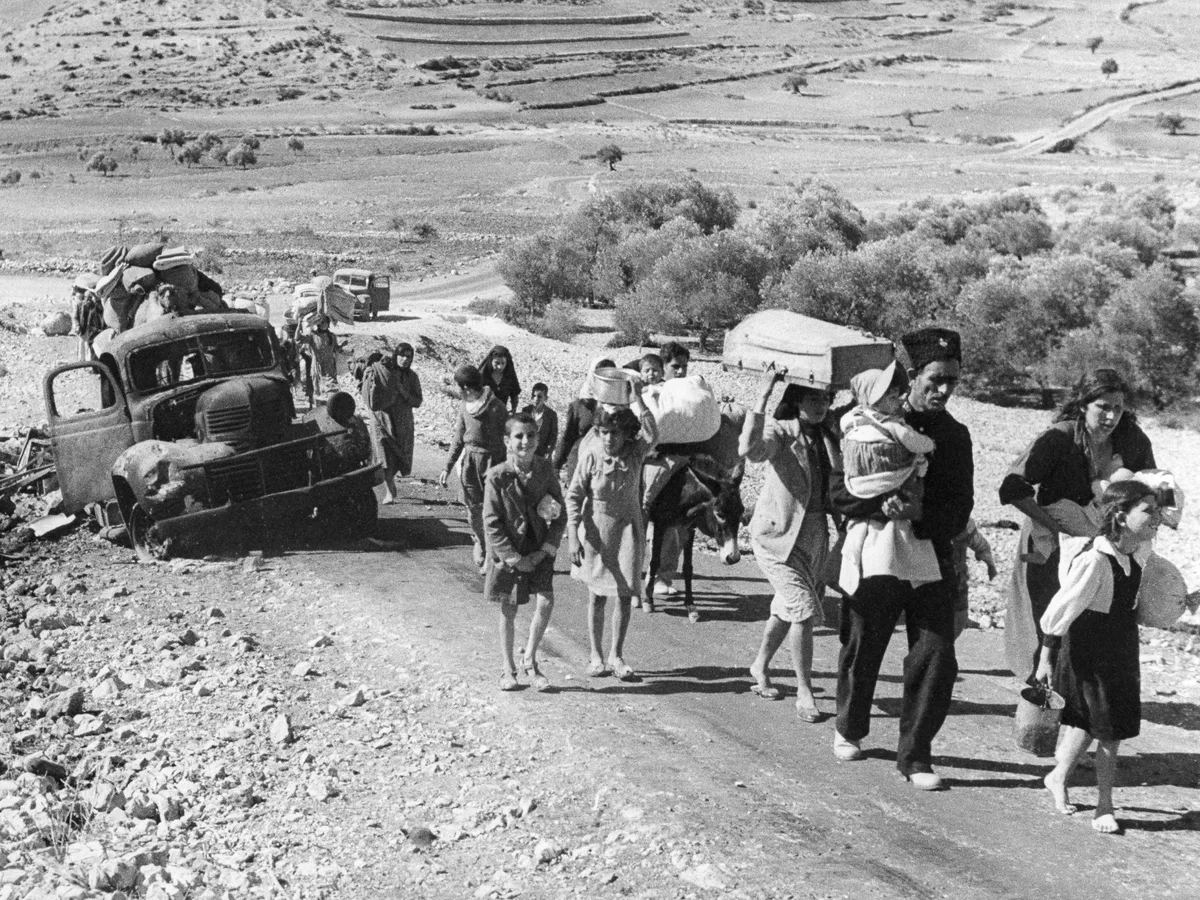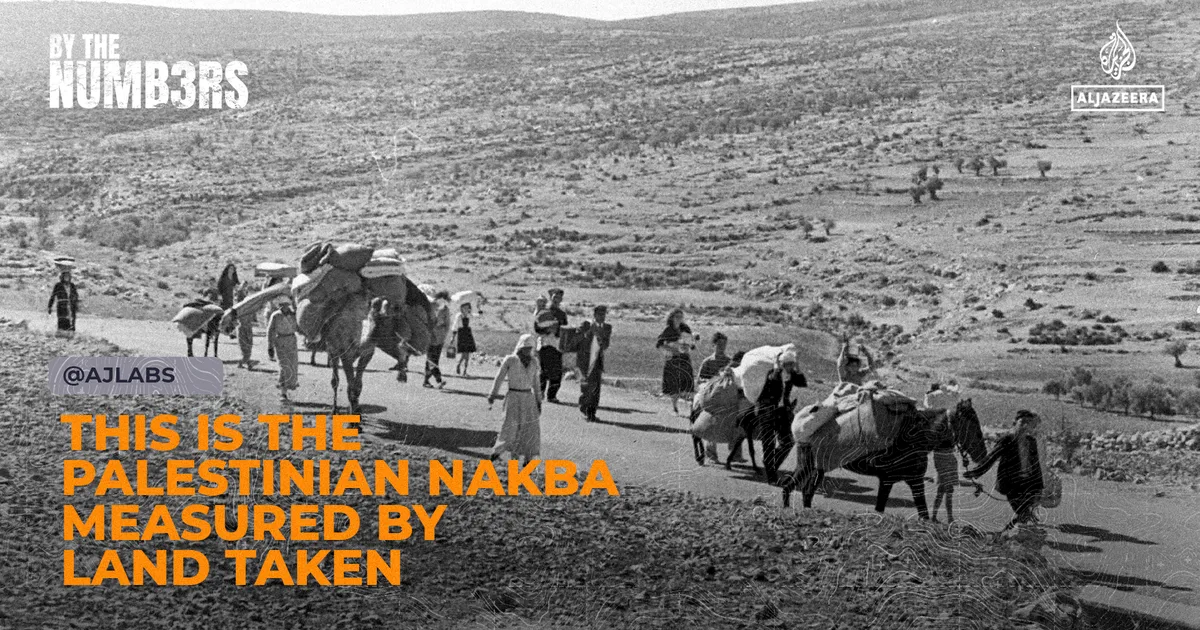
Palestinians worldwide observed Nakba Day on May 15, marking 78 years since an estimated 750,000 Palestinians were displaced during the 1948 Arab-Israeli war, about one-third of the population at that time [1, 2, 3].
The Nakba, meaning "catastrophe" in Arabic, involved the destruction or depopulation of over 400 Palestinian villages and urban neighborhoods to make way for Jewish immigrants after the creation of Israel [2]. The Palestinian Central Bureau of Statistics estimates 957,000 displaced people, reflecting some variation in figures [2, 3, 4].
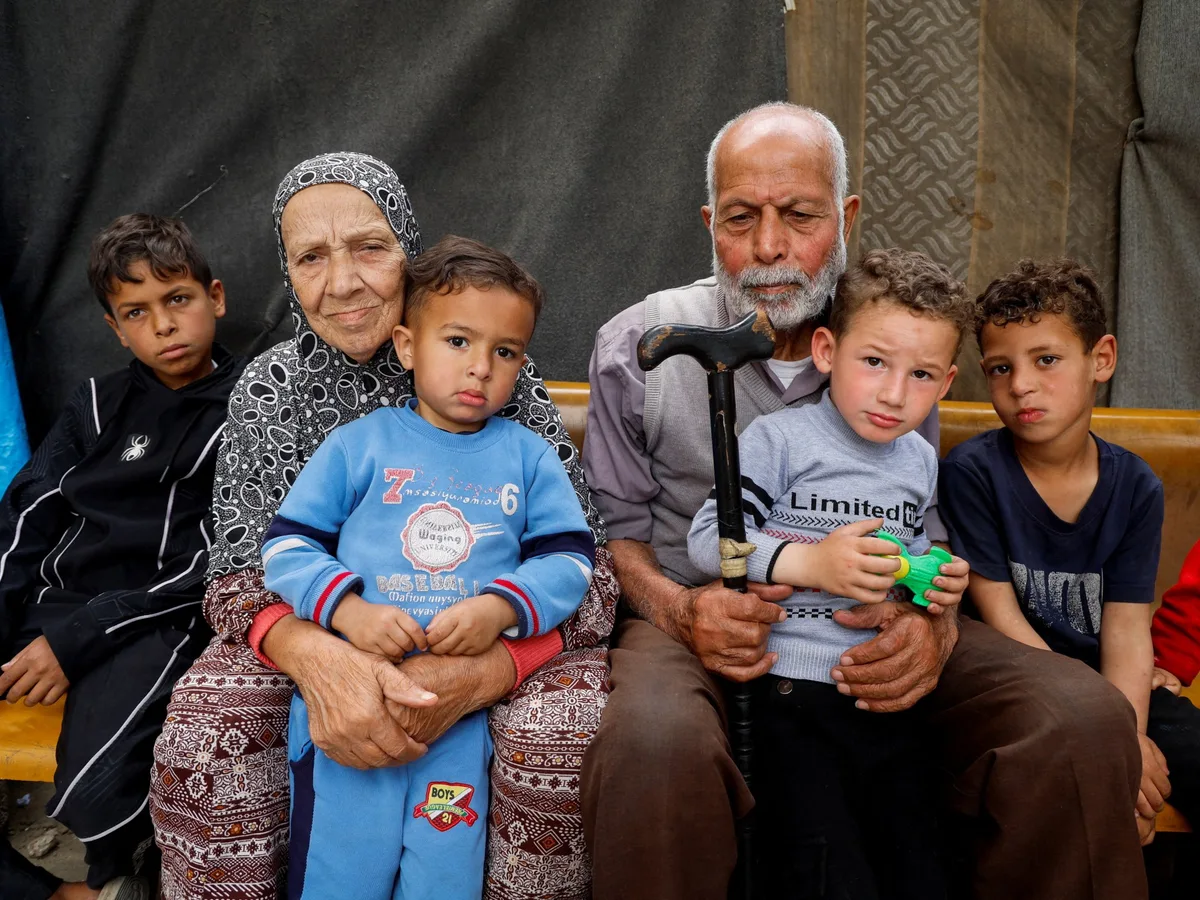
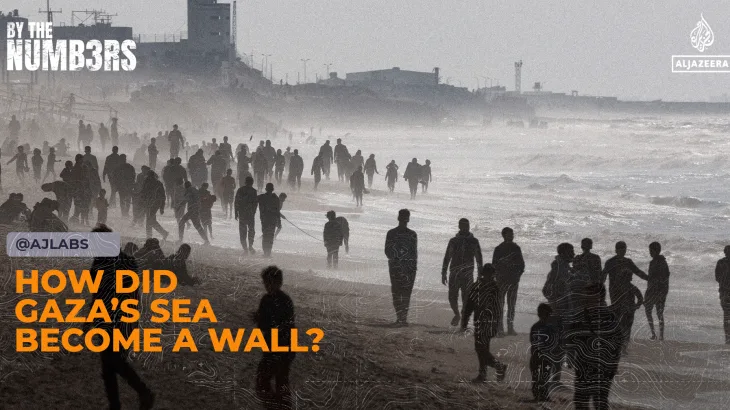
Millions of Palestinian refugees now live in the occupied West Bank, Gaza Strip—home to over 2 million people—and neighboring countries. Many still hold keys and deeds to their former homes, maintaining a connection to lands lost decades ago [2]. Palestinian authorities describe the Nakba not as a one-time event but as an ongoing process of dispossession since 1948 [2, 4].
They call for international recognition of the Nakba as a "crime of ethnic cleansing" committed by Israel and continuing to this day [4]. The war on Gaza since October 7, 2023, has deepened the crisis, with at least 75,000 Palestinians killed, further fueling displacement and suffering [5]. Khaled Elgindy, senior fellow at the Quincy Institute, said, "If you only acknowledge the humanity and suffering of one side, that forces you also to ignore historical realities that are still with us today." He added, "For better or worse, mostly for worse, the United States is inextricably tied to the Palestinian issue" [5].
The United States government does not officially recognize the Nakba despite its influential role and ongoing support for Israel [5].
May 15 remains a day of remembrance and protest for Palestinians, keeping the events of 1948 and their ramifications alive in public consciousness [1, 2, 4].