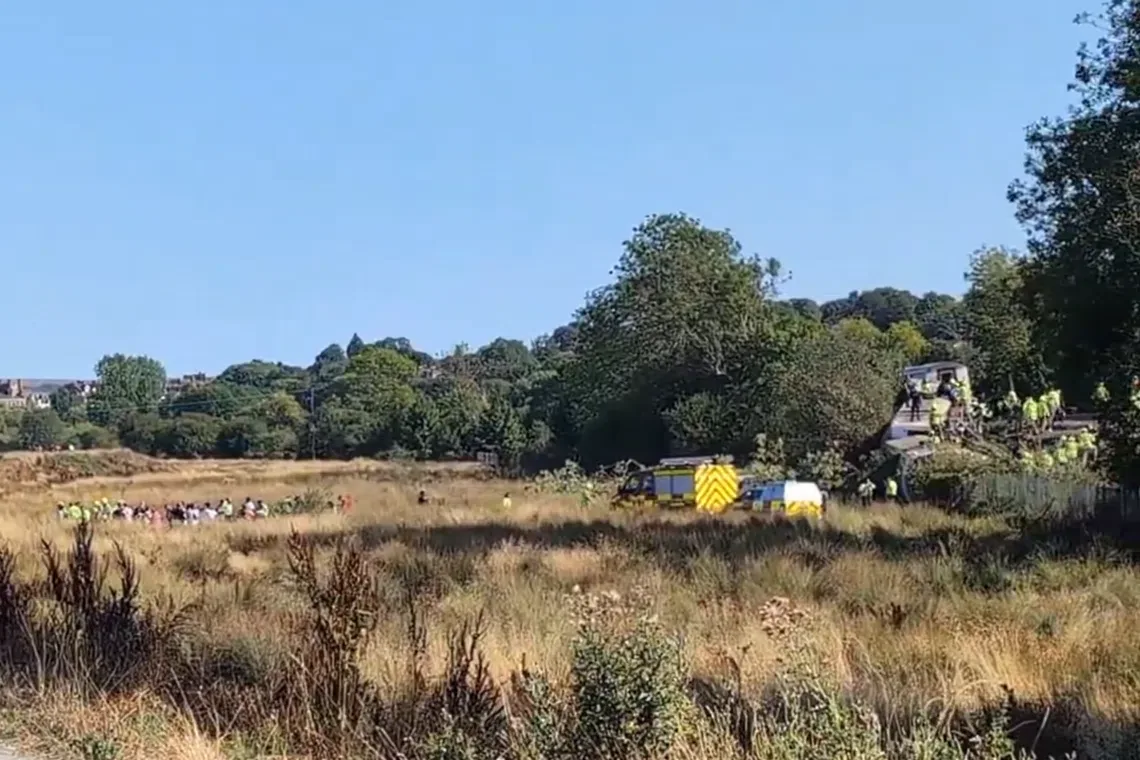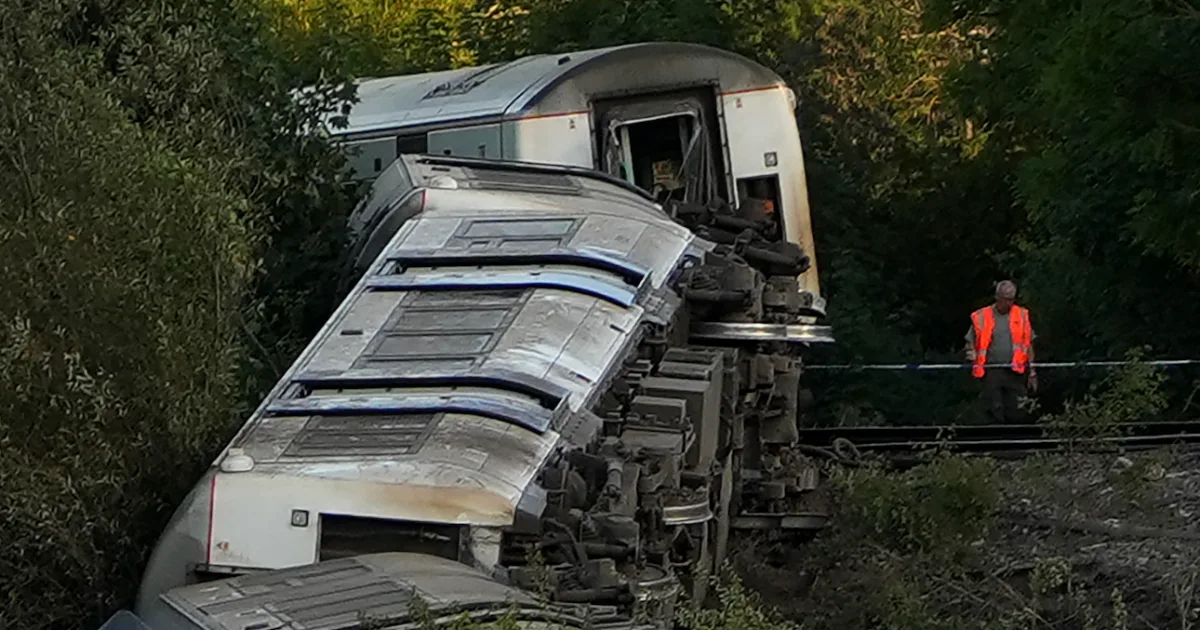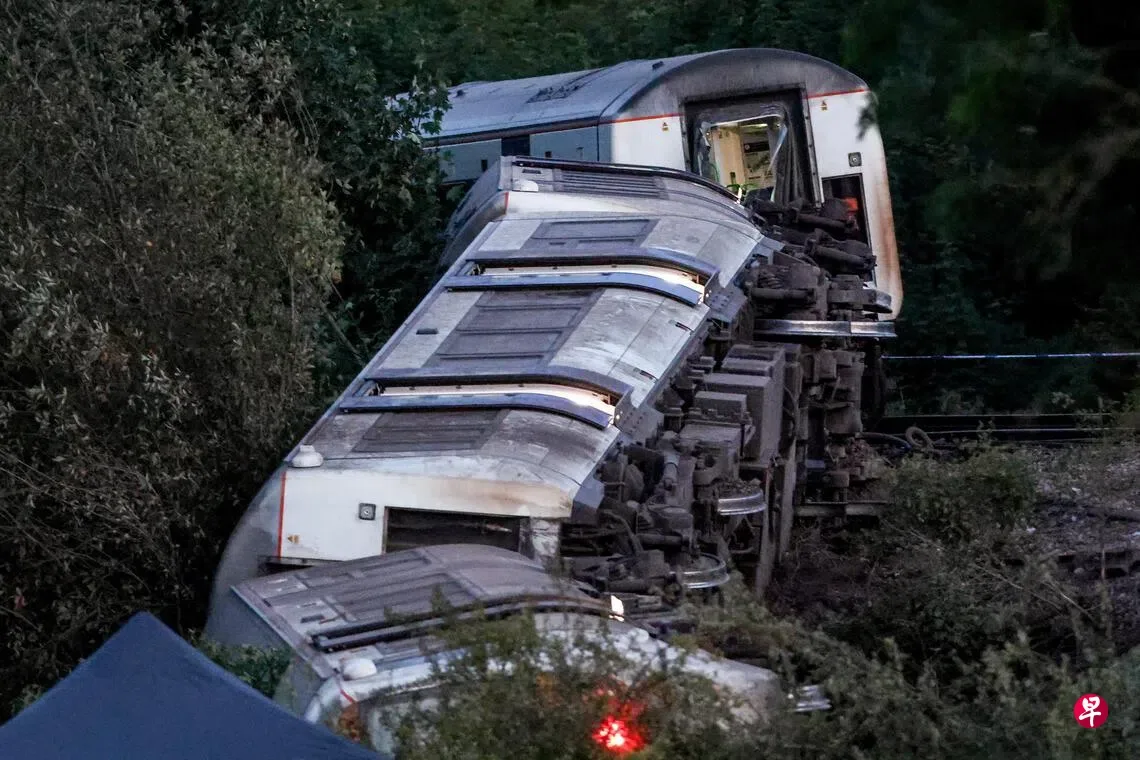
A passenger train operated by Southern Rail derailed near Lewes, East Sussex, on August 13, 2026, causing at least three carriages to overturn and trapping passengers initially. The train was carrying about 150 passengers at the time [1, 2, 3, 4, 5]. Emergency services declared the incident a "major incident" and evacuated all passengers safely from the site, with Assistant Chief Constable Ian Drummond-Smith noting a "significant emergency service response" was ongoing [3, 6, 5].
The Lewes derailment left 20 people injured, including two seriously. Most of the injured have since been discharged from hospitals [7, 3, 6, 8, 5]. Transport Minister Heidi Alexander praised the emergency response, saying she was "grateful to emergency services who are on the scene supporting those impacted" and assured quick cooperation with the rail industry to assist passengers [9, 4].
The Southern Rail derailment disrupted rail services across several routes between Haywards Heath and Lewes, impacting travel in the area [1, 3, 4, 5]. The Rail Accident Investigation Branch has launched an investigation into the causes of the Lewes derailment [7, 3, 6, 5].
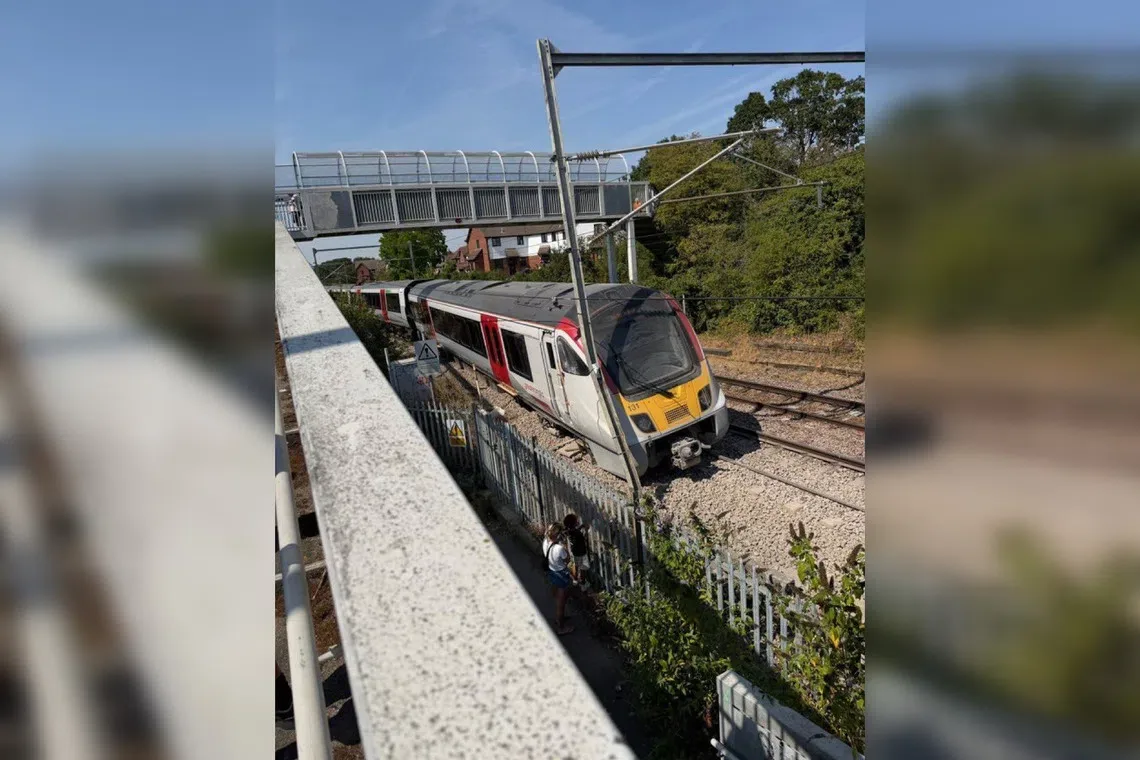
Less than 24 hours later, on August 14, 2026, a second derailment occurred near Wickford in Essex involving a Greater Anglia train. Rear carriages derailed but remained upright, and no injuries were reported [10, 7, 11, 12, 8]. British Transport Police tweeted that they were responding alongside paramedics and fire service with "no reported injuries" [7]. The Wickford derailment caused disruption on lines between London and Essex [7, 11, 8].
The cause of both derailments remains under investigation, with extreme high temperatures causing potential rail deformation suggested as a possible factor in early assessments [12].
Investigators are continuing inquiries into both incidents to determine the exact causes. Meanwhile, rail services in affected areas remain disrupted as recovery and safety inspections proceed [1, 7].