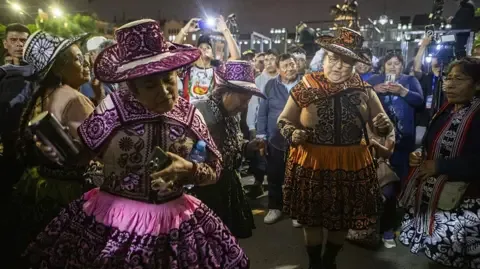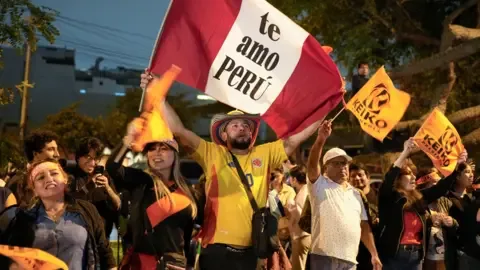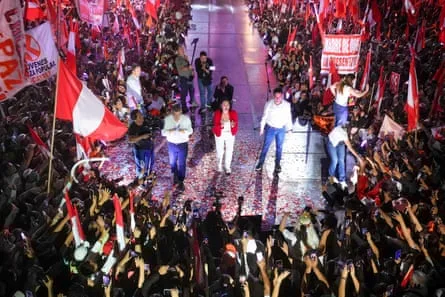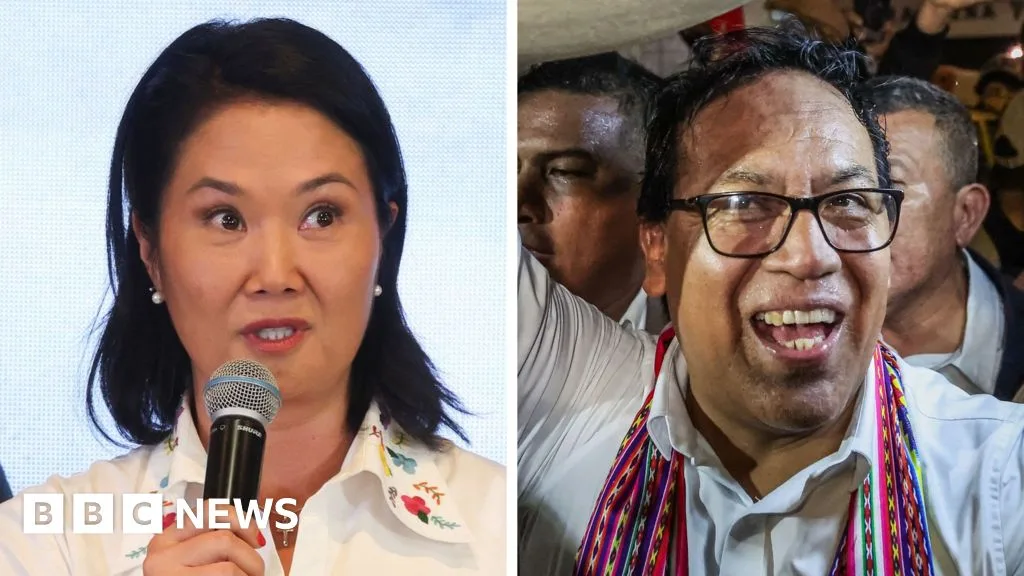
Peru held its presidential runoff election on June 7, 2026, with right-wing candidate Keiko Fujimori and left-wing candidate Roberto Sanchez competing to become the country’s ninth president in a decade marked by political turmoil [1, 2, 3, 4, 5, 6, 7]. Voting was mandatory and took place in Peru and at 2,506 polling stations across 63 countries [4, 7].
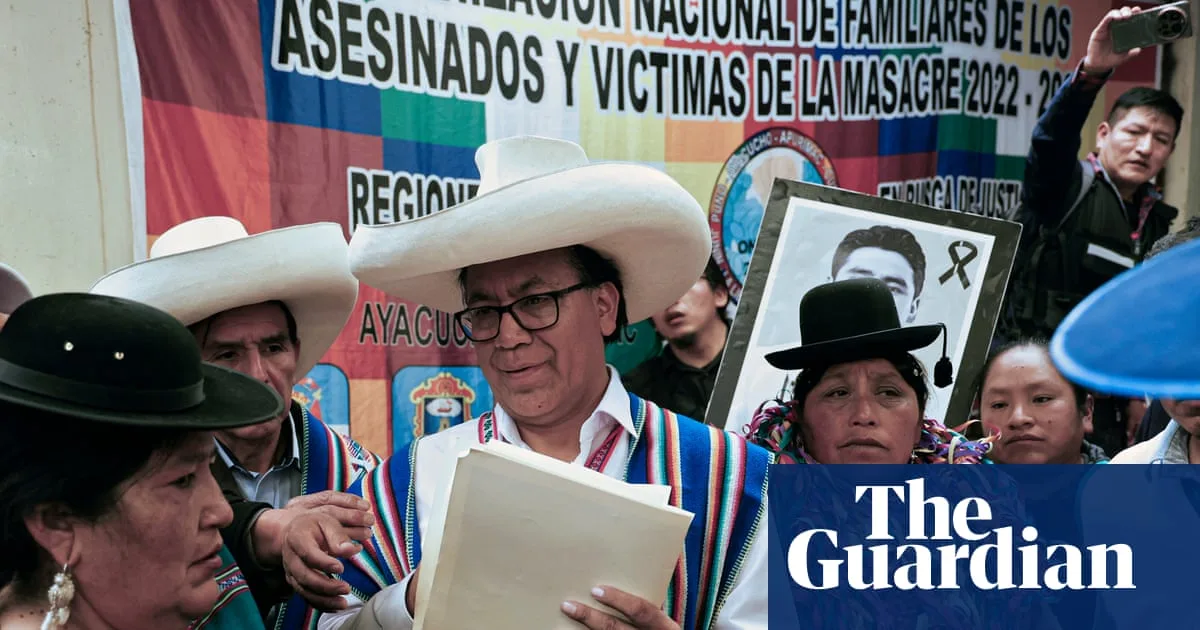
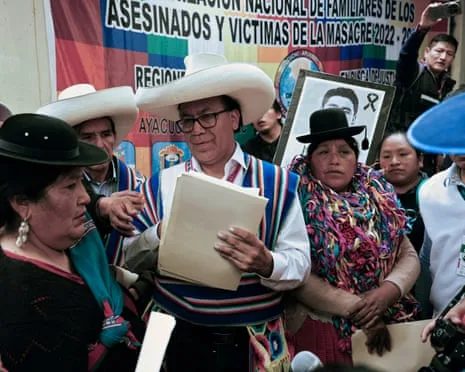
Fujimori, a four-time presidential contender and the daughter of former president Alberto Fujimori, campaigned on promises of security, economic growth, and empowering the military to combat rising crime [1, 5, 7]. Her father’s legacy remains controversial due to past authoritarian tactics and human rights abuses [1, 2, 8, 3, 4, 5, 6, 7]. Sanchez, a left-wing congressman and former minister allied with jailed ex-president Pedro Castillo, drew strong support from rural Andean areas and has pledged reforms including a presidential pardon for Castillo while maintaining respect for U.S. relations [1, 2, 8, 4, 5, 6, 7].
The first round on April 12 featured a record 35 presidential candidates, with Fujimori advancing with around 17% and Sanchez narrowly qualifying with about 12% amid allegations of fraud and logistical issues [2, 8, 4, 5, 6]. Early counts on June 7 showed Fujimori leading with about 52.6% against Sanchez's 47.4% with 58% of votes tallied, but as rural votes were counted, Sanchez overtook Fujimori [3, 9]. The electoral authority reported on June 10 that with over 96% of votes counted, Sanchez led by roughly 40,000 votes at 50.12% to Fujimori’s 49.88% [10].
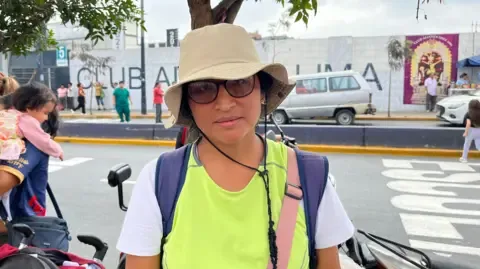
Fujimori maintains a lead in Lima and other urban coastal centers, while Sanchez dominates in rural and Andean regions [1, 2, 8, 3]. Fujimori acknowledged the prolonged count, stating, "As of now there is no winner. There will be long days ahead" [3]. Sanchez expressed cautious optimism but urged patience until all votes are counted [9]. Hugo Vasquez, a craft seller in Lima, reflected public sentiment: "There is a lot of disorder and corruption, and we're going to vote, as always, for the 'lesser evil'" [5].
Peru’s presidency has changed hands nine times in the last 10 years amid impeachment attempts, judicial scandals, and widespread public distrust [2, 8, 4, 5, 6, 7]. Recounts and a prolonged counting process are expected, potentially delaying final results by days or weeks [1, 3, 9, 10]. Authorities and observers continue monitoring the situation closely as the country awaits a definitive outcome.