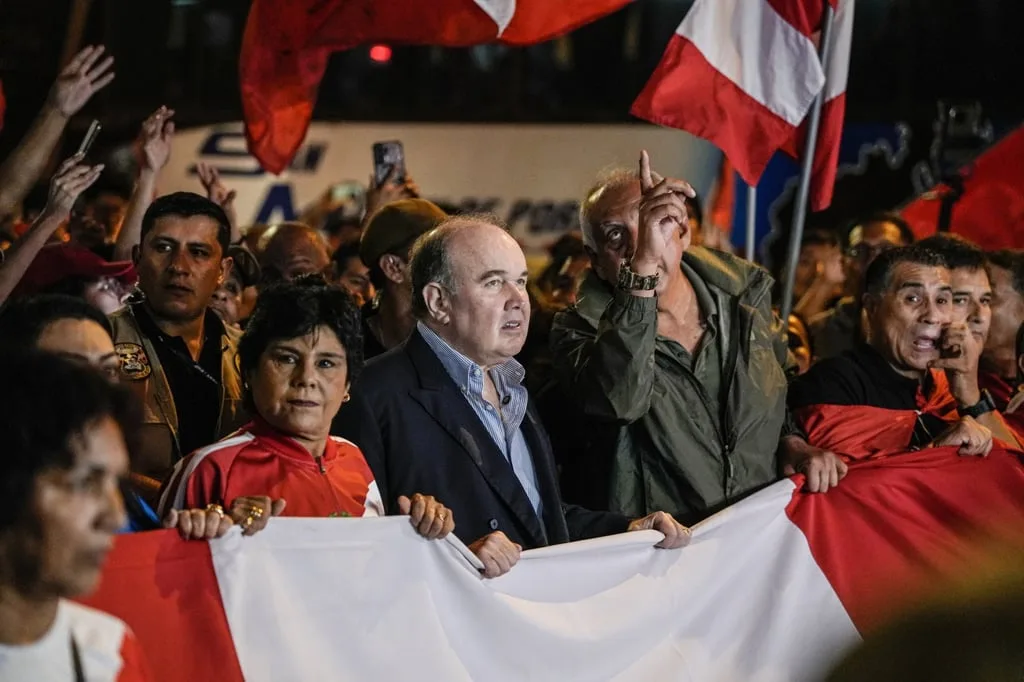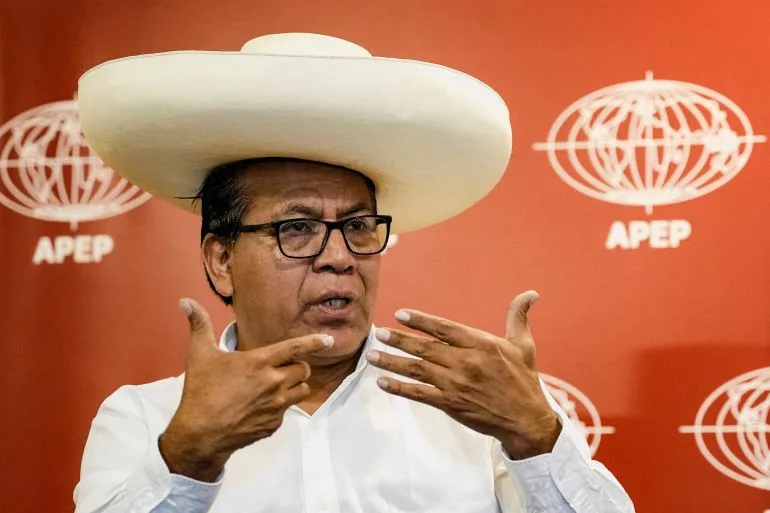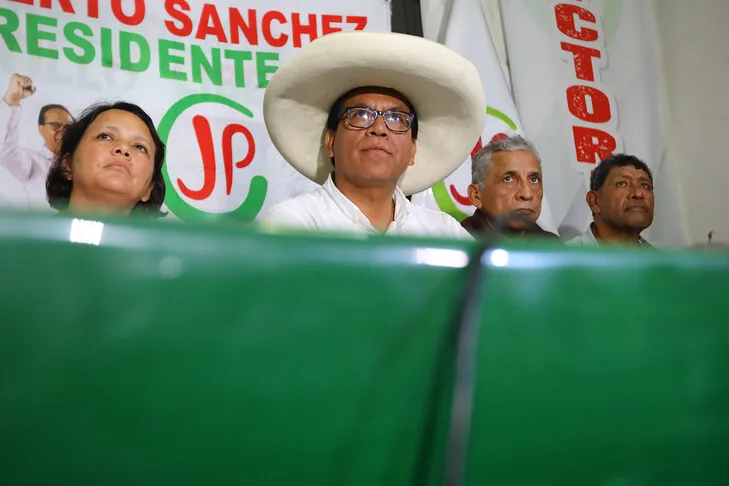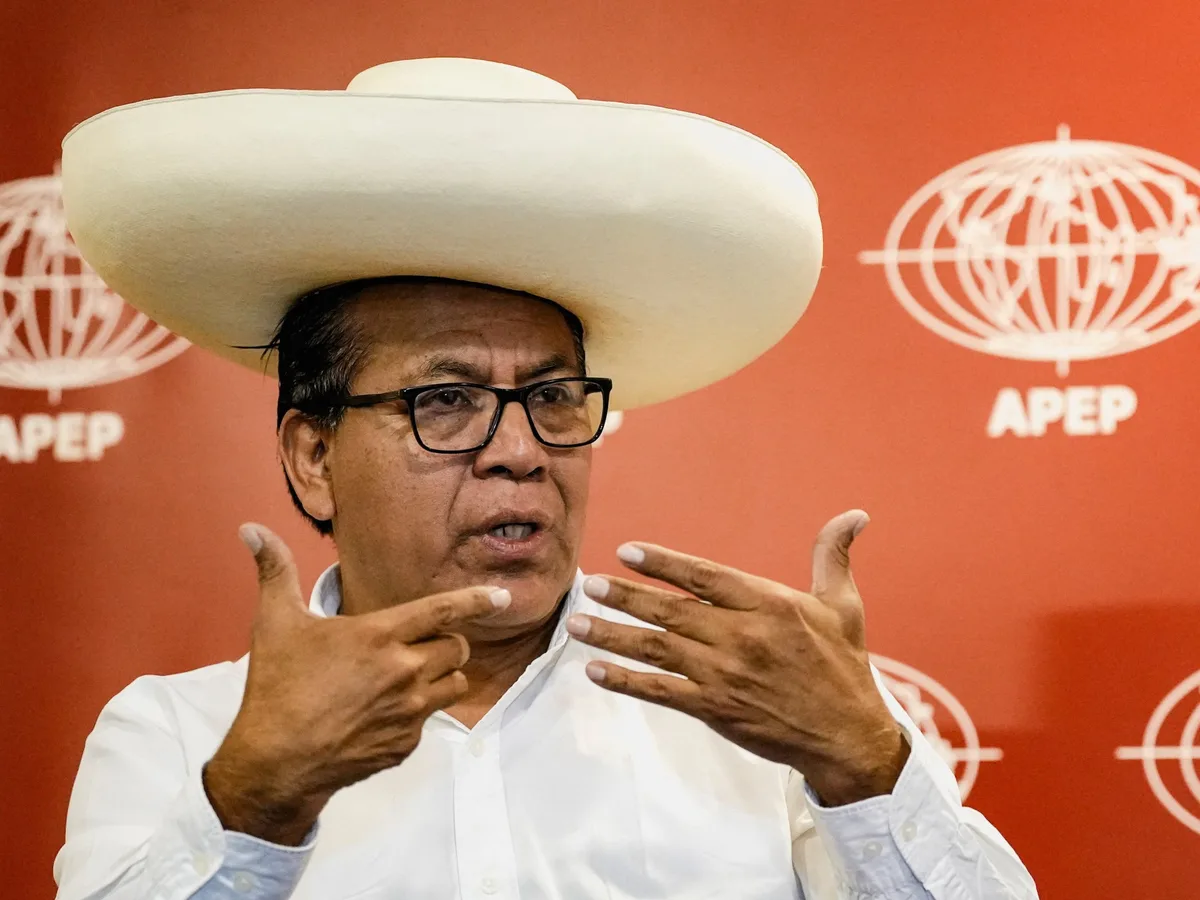
Peru’s leftist candidate Roberto Sanchez secured his place in the June 7 presidential runoff after narrowly finishing second in the April 12 first-round vote with approximately 12 percent support. He edged out ultraconservative Rafael Lopez Aliaga by a margin estimated between about 15,000 and 21,210 votes depending on the source, while Keiko Fujimori led the round with roughly 17 percent of the vote [1, 2, 3].
The counting process spanned a month and triggered allegations of electoral fraud, prompting the resignation of Peru’s top electoral official. However, European Union observers found no concrete evidence of fraud during the vote [1].
On May 12, Peru’s public prosecutor’s office charged Sanchez with financial crimes linked to false disclosures and misuse of campaign funds dating from 2018 to 2020 or 2021, according to conflicting reports. Authorities allege Sanchez and his brother received approximately 280,000 Peruvian soles—valued between about $57,000 and $81,700—in unreported contributions and membership fees [2, 3, 4].
Prosecutors are seeking a prison sentence of five years and four months and permanent disqualification from holding office for Sanchez and his Juntos por el Peru party [2, 3, 4]. A judge is scheduled to decide on May 27 whether the case will proceed to trial [2, 3, 4].
Sanchez denies any wrongdoing, stating, "There was never any fraud or misappropriation. For years they have tried to plant a lie in order to discredit me politically," while his lawyer said the party treasurer, not Sanchez, was responsible for financial filings [2, 3, 4].
Final election results are expected to be confirmed today, May 15 [2]. The runoff showdown between Sanchez and Fujimori will determine Peru’s next president on June 7 [1, 2, 3].