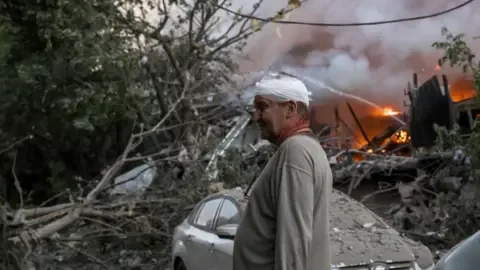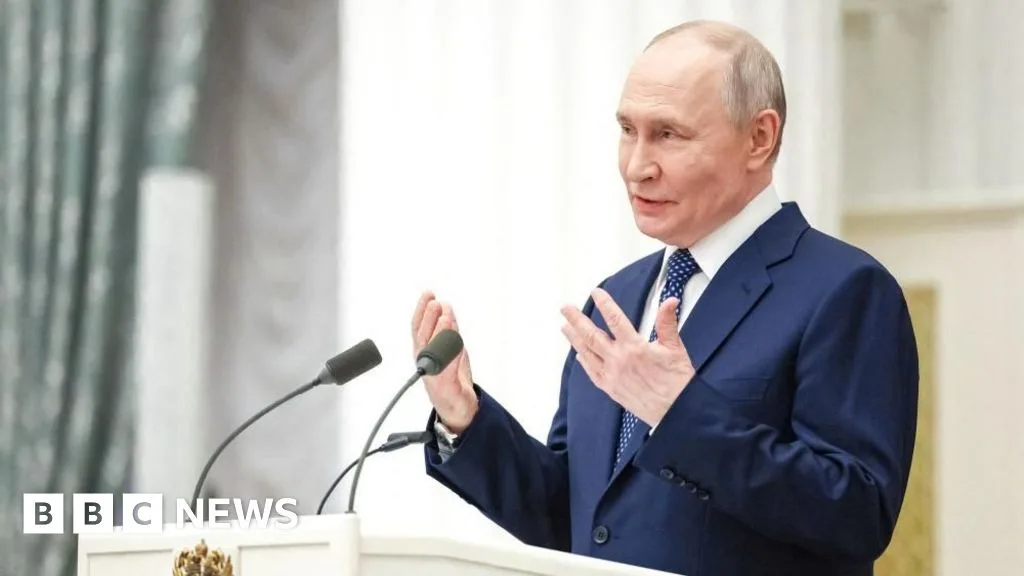
Russian President Vladimir Putin remains firm on war aims in Ukraine, demanding that Kyiv cede full control of the Donbas region to Russia, officials and analysts say [1, 2, 3]. Russia showed no sign of regret or intention to end hostilities since the invasion began over four years ago [1, 2, 3].
This week, Russia launched a large missile and drone strike campaign targeting Ukraine on the eve of the St Petersburg International Economic Forum, held in early June 2026 [1, 2, 3]. The forum saw delegations from more than 130 countries and territories, but key Western politicians and investors boycotted the event due to the ongoing war [1, 2, 3].
The war has severely damaged the Russian economy, causing fiscal deficits, stagnation, and technological decline through thousands of sanctions and the sustained conflict [2, 3]. Ukraine has pushed back close to Russian soil, with drones striking key energy infrastructure including refineries across the border [2, 3]. As a result, Moscow scaled down its Victory Day military parade on May 9 amid fears of Ukrainian drone attacks [2, 3].
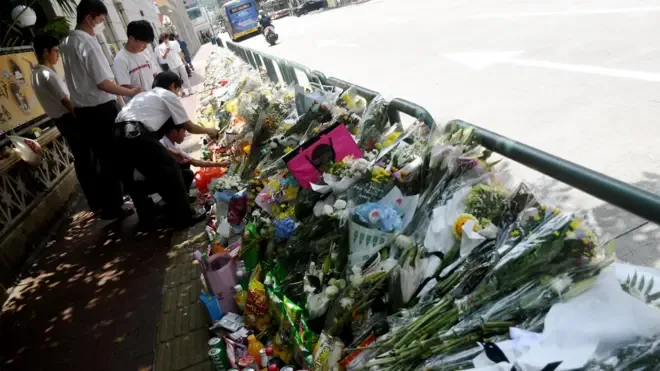
In late May, Ukraine conducted a raid in Starobilsk, eastern Ukraine, targeting the headquarters of Russia's elite drone unit "Rubicon River." Russia claims the strike hit a dormitory housing students, killing 21, and says recent missile and drone attacks on Ukrainian cities were retaliation [2, 3]. Kyiv denies targeting the dormitory and says it only aimed at the Russian drone unit's HQ [2, 3].
Public discourse inside Russia shows signs of change despite strict media controls. Discussions about ending the conflict are becoming more open [2, 3]. Kremlin-aligned commentators remain divided. Some advocate continuing the special military operation until all goals are achieved, while others warn against a prolonged conflict. A pro-Kremlin newspaper briefly published a critical article on the potential value of failed wars and ceasefires before taking it offline [2, 3].
Russian analyst Vasily Kashin says that a full Russian military occupation of western Ukraine, including Donbas, is technically impossible at this stage [2, 3]. Meanwhile, foreign policy aide Yuri Ushakov denied ever mentioning a "spirit of Anchorage," a reference to hopes for a favorable peace deal after the 2025 US-Russia summit in Alaska which ultimately yielded no agreement [2, 3]. Earlier confidence in US then-President Donald Trump helping broker peace has faded [1, 2, 3].
Russian officials and commentators remain defiant, with singer Nadezhda Babkina saying, "Russia will never surrender thanks to our remarkable, multi-ethnic genetic code... Anyone who doesn't like that can go and poison themselves," and Foreign Minister Sergei Lavrov adding, "Russia is what it is, and we're not ashamed of showing it" [1].
The next major scheduled event remains the St Petersburg International Economic Forum, where global economic officials continue meeting amid the ongoing war and diplomatic isolation [1, 2, 3].