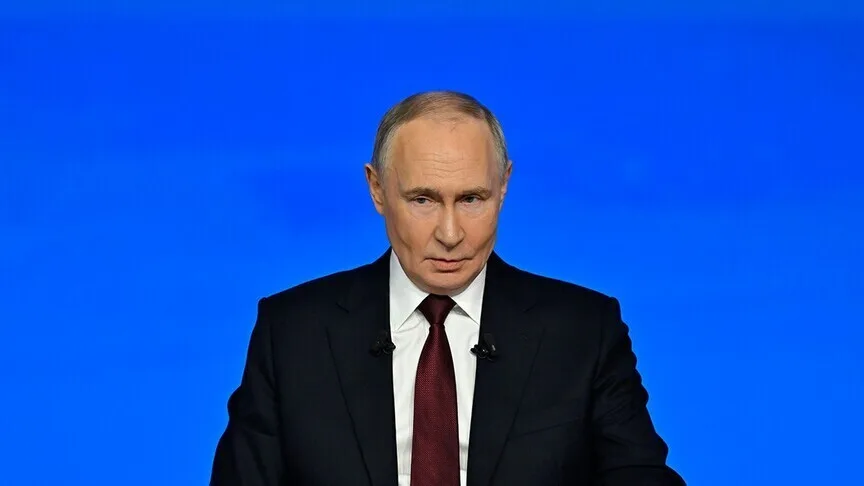
Russian President Vladimir Putin signed a decree on May 15 that allows residents of the breakaway Transnistria region in Moldova to obtain Russian citizenship without meeting the usual residence requirements [1, 2]. The decree covers foreign nationals and stateless persons 18 or older who live permanently in Transnistria and includes special provisions for minors and legally incapacitated persons [2].
Transnistria is a pro-Russian separatist enclave that declared independence in 1990 but is not recognized internationally [1, 2]. About 1,500 Russian troops, described as peacekeepers by Russia, are stationed in the region, which also receives substantial financial support from Moscow [1, 2]. The territory has an estimated population of 350,000 [1].
Moldovan President Maia Sandu condemned the decree publicly, saying it appears to be intent on recruiting more people for Russia’s war in Ukraine. She said, “Probably they want more people to send to the war in Ukraine” [1]. Sandu also noted many residents have obtained Moldovan passports since the Ukraine war began “because they felt safer to have the citizenship of the Republic of Moldova and not the citizenship of Russia” [2].
Ukrainian President Volodymyr Zelenskiy said Russia’s action amounts to designating Transnistria as Russian territory. He pledged joint action with Moldova in response. Zelenskiy said the decree showed “Russia designating the territory of Transniestria as supposedly its own” [1].
Russia’s ambassador to Moldova, Oleg Ozerov, defended the decree as humanitarian, citing Moldova’s pressure on Transnistria, and accused Moldova of hypocrisy for allowing Moldovans to obtain Romanian passports [1].
Following the decree, Moldovan authorities barred commanders of Russian peacekeepers from entering Moldova on May 16 [1]. On May 17, President Sandu condemned the decree at a conference in Estonia [1, 2]. Moldovan Prime Minister Alexandru Munteanu said the government is considering responses after violations of Moldovan airspace by Russian drones [1].
The decree codifies Russian citizenship access for many in the Transnistria region but has prompted sharp criticism from Moldova and Ukraine amid ongoing regional tensions.