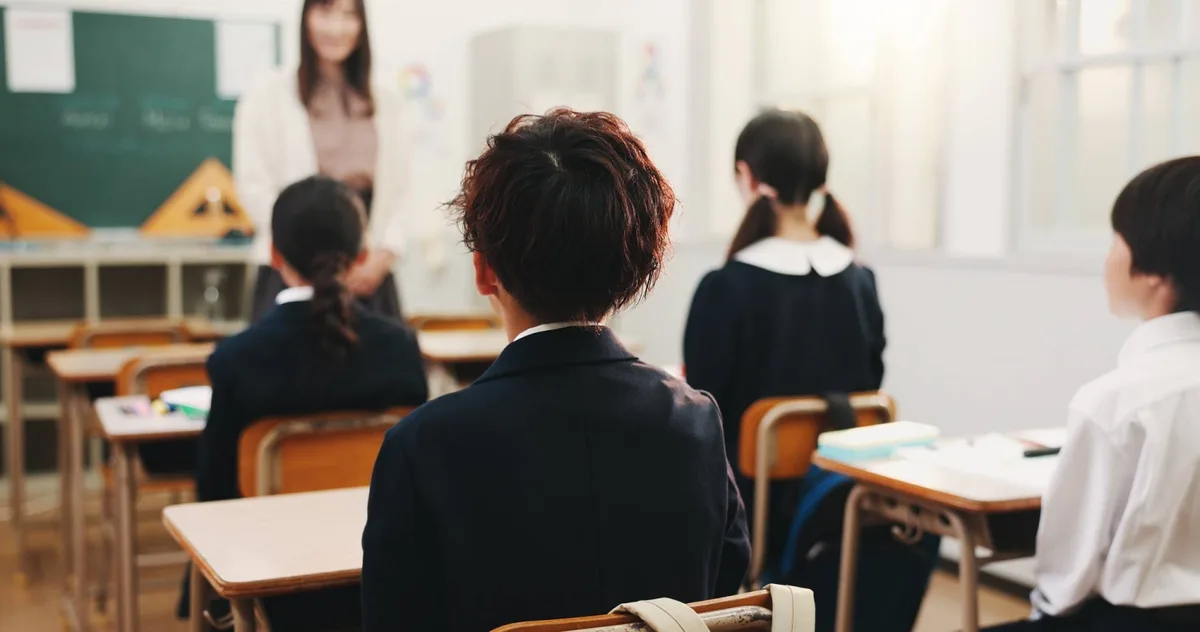
As of May 2025, 84,759 students in Japan's public elementary, junior high, high, and special needs schools require assistance learning Japanese, according to a government survey [1, 2]. This is an increase of 15,636 students since the last survey in 2023 [1, 2]. The number of students needing help with Japanese has roughly doubled over the past decade [1].
These language support students are spread across 12,668 public schools, which represents about 40% of all public schools nationwide [2]. Among those needing help, 73,313 are foreign nationals while 11,446 are Japanese nationals [2]. In some cases, an estimated 10,000 students requiring support have not yet received sufficient assistance [2].
There are notable regional disparities in language education for foreign students. Areas such as Yokohama and Hamamatsu have established early-stage Japanese language learning centers to bolster support [2]. Elsewhere, many schools provide Japanese language aid independently without specialized centers [2].
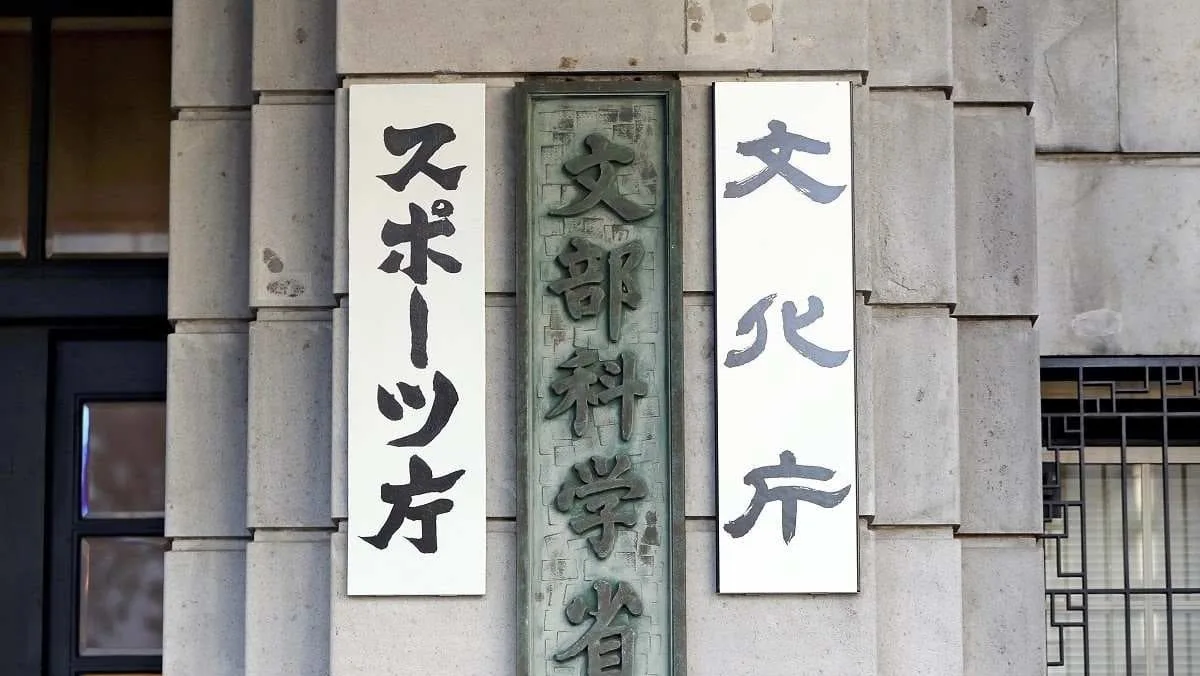
The Japanese Ministry of Education plans to strengthen early Japanese language education starting from fiscal year 2027. Measures include setting up special classes and developing appropriate teaching materials for students learning Japanese as a second language [2].
The ministry’s efforts aim to better equip schools to manage the growing number of students requiring language support and address regional disparities in resources and expertise.