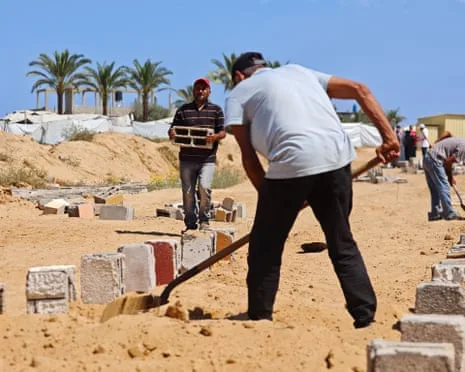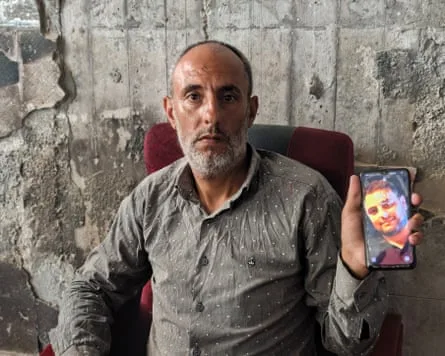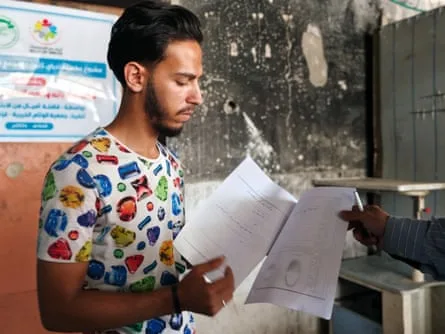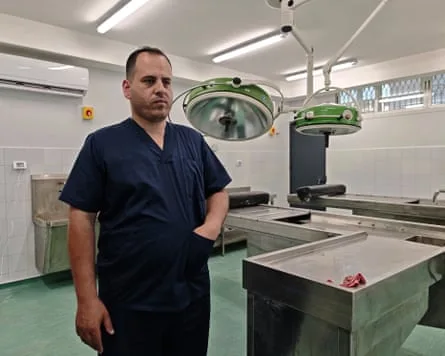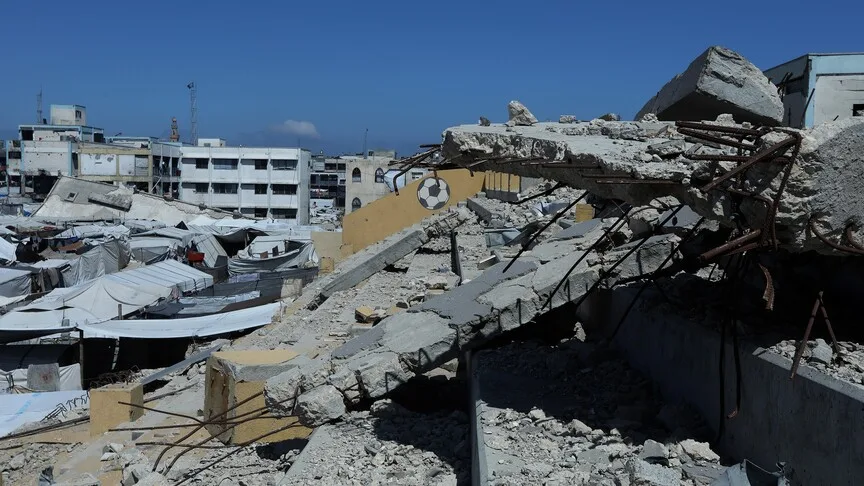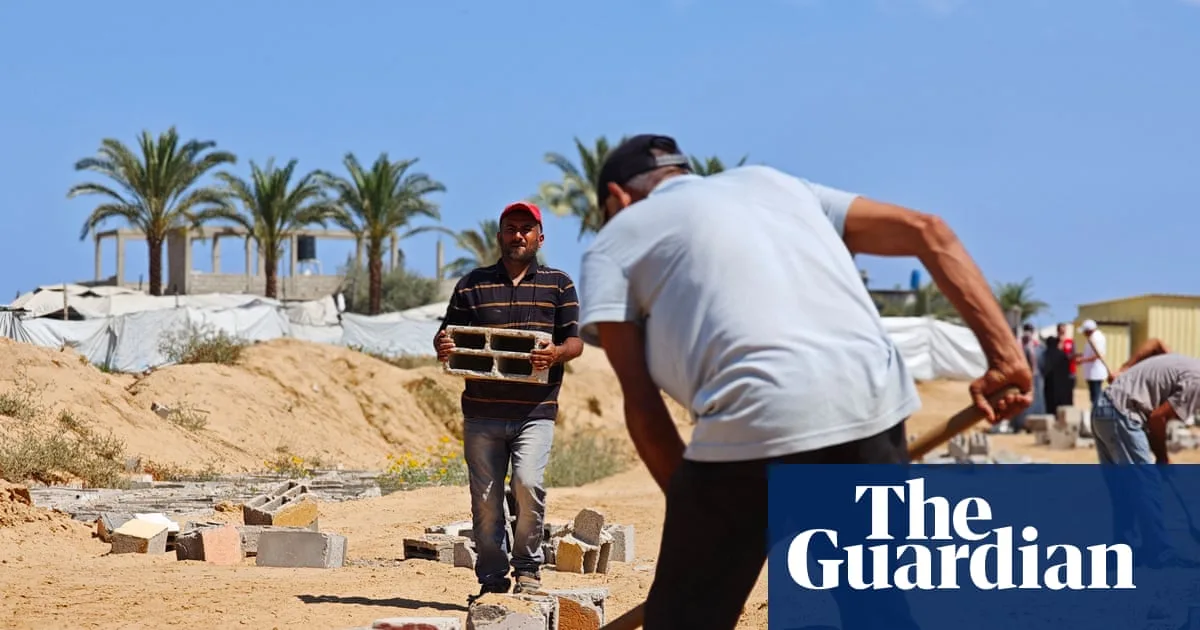
Thousands of Palestinians are believed to be buried beneath approximately 61 million tonnes of rubble in Gaza following ongoing conflict, health officials estimate between 10,000 and 14,000 victims remain trapped [1, 2]. Recovery efforts continue to be slow and difficult, relying mainly on basic tools such as shovels and pickaxes, as heavy machinery remains largely barred from entering the area [1, 2].
Repeated appeals by the International Committee of the Red Cross (ICRC) and other recovery teams to allow excavators and heavy equipment into Gaza have gone unanswered or been denied. Israeli officials reportedly stated there is no approval to bring such machinery into Gaza, limiting the recovery pace [1, 2].
Pat Griffiths, ICRC spokesperson in Jerusalem, warned that "the longer human remains lie beneath the rubble, the more likely they will be skeletonised and harder to identify". She said bodies could soon become difficult to identify due to decomposition and loss of forensic evidence, adding that "search and recovery teams need access to all sites where human remains are thought to be located" [1, 2]. Griffiths also noted that forensic experts lose access to circumstantial evidence useful in confirming identities as time passes [1].
Forensic pathologist Dr. Cristina Cattaneo said, "Time is the greatest enemy of identification. The more time passes, the slimmer the chances of success. In the early stages, distinguishing features may still be recognisable, but these are lost as decomposition advances" [1].
A fragile US-brokered ceasefire took effect in the Gaza region in October 2025, but recovery efforts have not accelerated significantly since [1, 2]. On June 14, 2026, the ICRC and news agencies issued warnings on the risk that thousands buried under rubble may never be identified due to the slow recovery and decomposition [1, 2].
The situation highlights an urgent need to permit heavy machinery access to speed up recovery. Until then, retrieval efforts will rely on rudimentary tools and manual labor, delaying identification and burial of victims.
The next scheduled international humanitarian review is expected to assess the situation later this month, focusing on whether equipment access to Gaza can be improved to accelerate recovery and identification efforts.