Saudi Arabia carried out multiple covert airstrikes on Iranian soil in late March 2026, marking the first known direct Saudi attacks on Iran during the regional conflict [1, 2, 3, 4]. Saudi warplanes also targeted Iran-linked militias along the northern border with Iraq around early April, striking Shi'ite groups backed by Tehran, according to some reports [5, 6]. However, sources differ over whether Saudi strikes were primarily inside Iran or focused on militias near Iraq [s1,s6,s8,s9 vs. s2,s7].
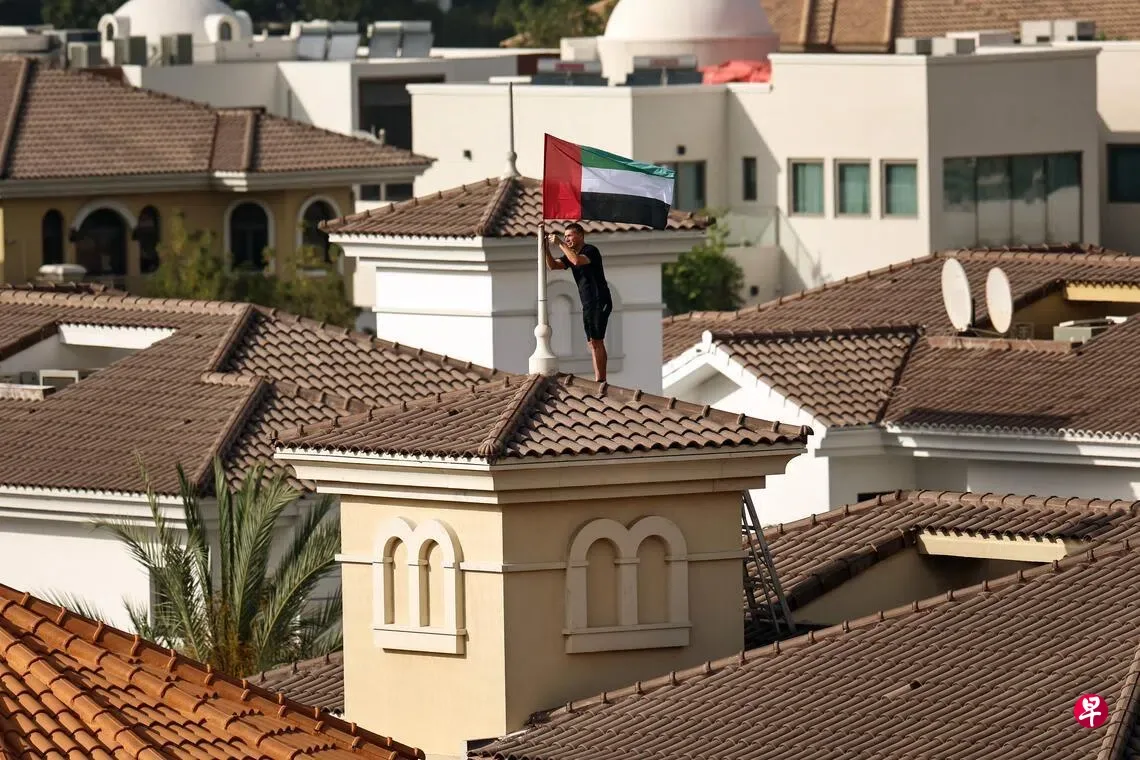
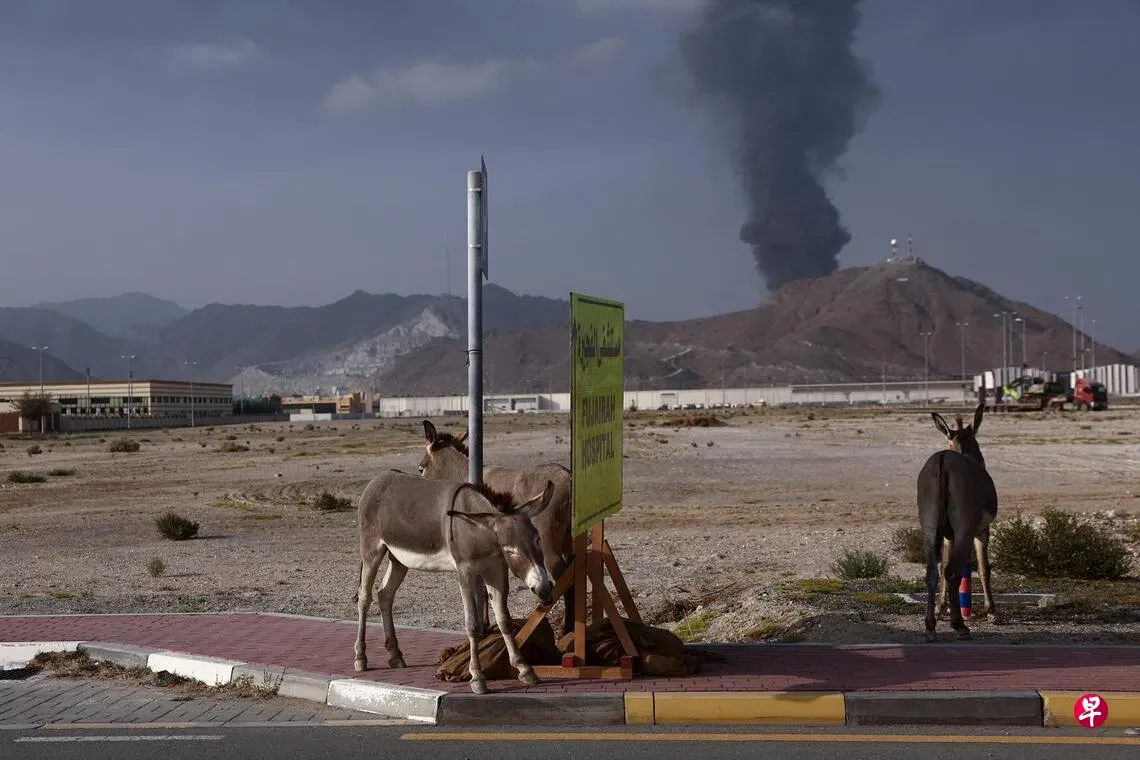
In early April 2026, the United Arab Emirates launched secret air attacks on Iranian sites, including a strike on an oil refinery on Lavan Island in the Persian Gulf [7, 3, 8]. The UAE publicly framed its actions as defensive, with Minister of State Khalifa bin Shaheen Al Marar stating the country "reserves its full and legitimate right to defend its sovereignty and territorial integrity" [9, 7, 8].
These strikes by Saudi Arabia and the UAE were retaliatory counterattacks following nearly 3,000 Iranian missile and drone attacks on Gulf states, mainly targeting the UAE, causing civilian casualties and infrastructure damage, though many were intercepted by air defenses [1, 9, 7, 4, 10, 8]. A Saudi Western official described the Saudi actions as "tit-for-tat strikes in retaliation for when Saudi (Arabia) was hit" [1].
The wider Gulf conflict escalated after a joint U.S.-Israeli airstrike on Iran on February 28, 2026, which led to Iranian missile and drone strikes on Gulf Cooperation Council (GCC) states and Israel [1, 5, 4, 10]. Some Saudi strikes on Iran-linked militias near Iraq occurred around a U.S.-Iran ceasefire on April 7 [5, 6]. The UAE sought but failed to coordinate further Gulf military retaliation with neighbors including Saudi Arabia and Qatar [11, 10].
Following the Saudi strikes, Riyadh informed Tehran and diplomatic engagement began aimed at de-escalation. Ali Vaez of the International Crisis Group said retaliatory Saudi strikes followed by de-escalation "would show pragmatic recognition on both sides that uncontrolled escalation carries unacceptable costs" [4]. Saudi Arabia continues regular diplomatic contact with Iran to contain the conflict, while the UAE maintains a more hawkish posture with less public diplomacy [1, 4].
Both Saudi Arabia and the UAE deny publicly acknowledging the strikes and emphasize all measures were defensive to protect sovereignty and civilians [1, 7, 8]. The UAE also announced its withdrawal from OPEC in late April amid tensions with Saudi Arabia and disagreements over responses to the Iran war [11, 10].
On May 16, the UAE issued a statement condemning Iranian attacks and reiterating its right to defend its territory and citizens [7, 8]. The situation remains tense as Gulf states continue to respond to Iran's repeated missile and drone assaults.