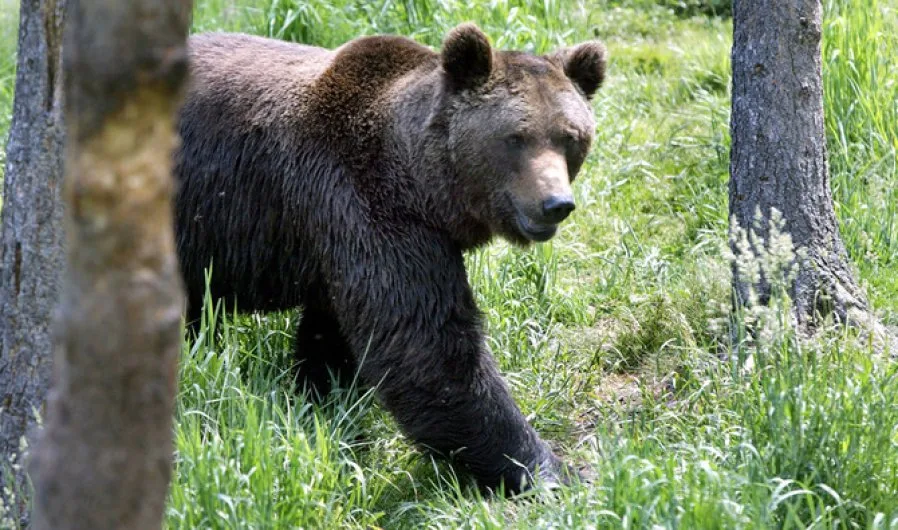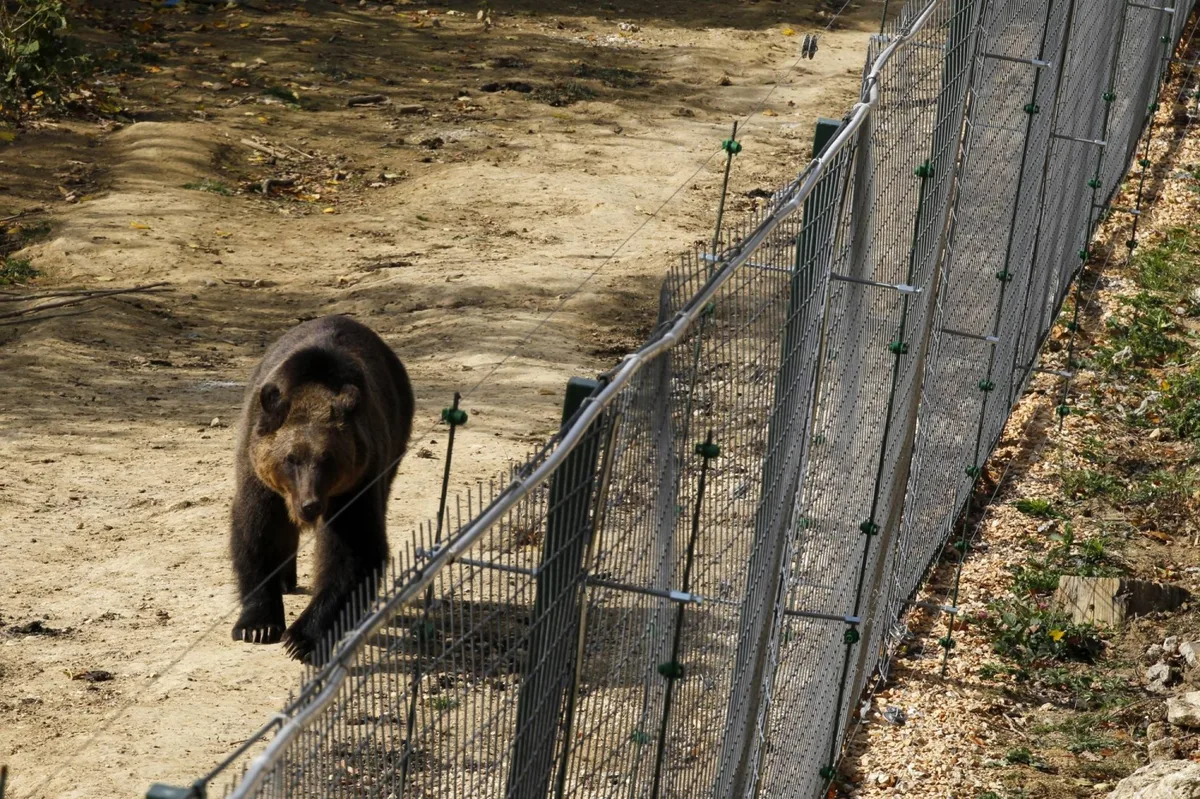
Romania and Slovakia have sent a letter to EU member states asking to reduce the protection status of brown bears and ease hunting restrictions. They cited a rise in attacks on humans and domestic animals as the reason for the request, which was supported by Croatia, the Czech Republic, and Finland [1, 2, 3, 4, 5].
In the past five years, brown bears in Romania and Slovakia have killed 18 people and seriously injured more than 200 others. Since 2023, over 2,000 domestic animals—including horses, cattle, sheep, goats, and pigs—have been mauled to death by large carnivores, with a significant portion attributed to bears. These losses have caused considerable economic damage to the affected regions [1, 2, 3, 4, 5].
The letter described brown bears as "an apex predator with no natural predators of its own," emphasizing they "urgently require effective management." It requested a regulatory approach similar to the one applied last year when the EU successfully lowered the protection status of wolves [1]. The appeal reflects growing tensions over balancing wildlife conservation and public safety in Europe.
The issue was discussed on June 22 during a meeting of EU agriculture ministers in Luxembourg. Member states must reach a majority vote to change the bears' protection status in the EU [1, 2, 3, 4, 5].
Not all parties support the proposal. Environmental groups have voiced opposition to reducing protection for brown bears, citing concerns over conservation setbacks [1, 2, 3, 4, 5]. The bear is not the only species under scrutiny; last month, nine EU countries requested controls on the great cormorant population due to its impact on fish stocks [1, 2, 3, 4, 5].
The EU agriculture ministers will continue discussions on wildlife management policies throughout the year, with decisions on protective status changes expected based on majority votes among member states.