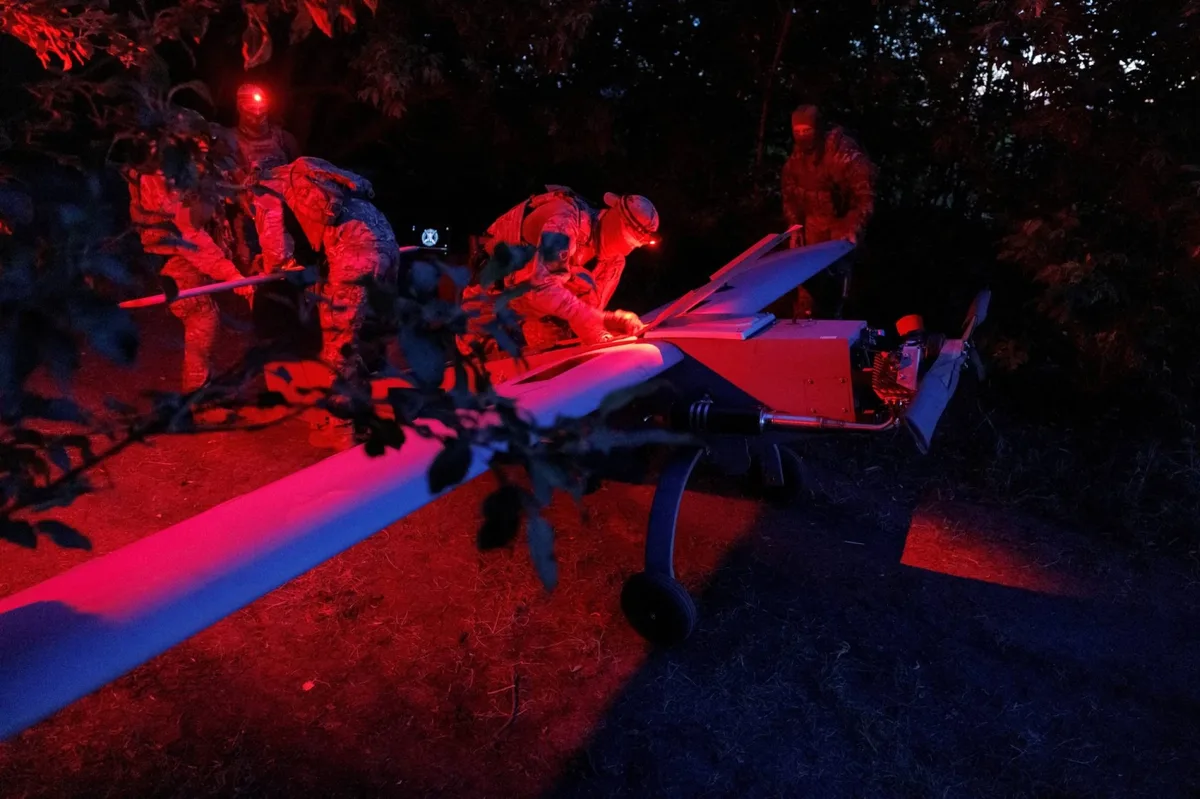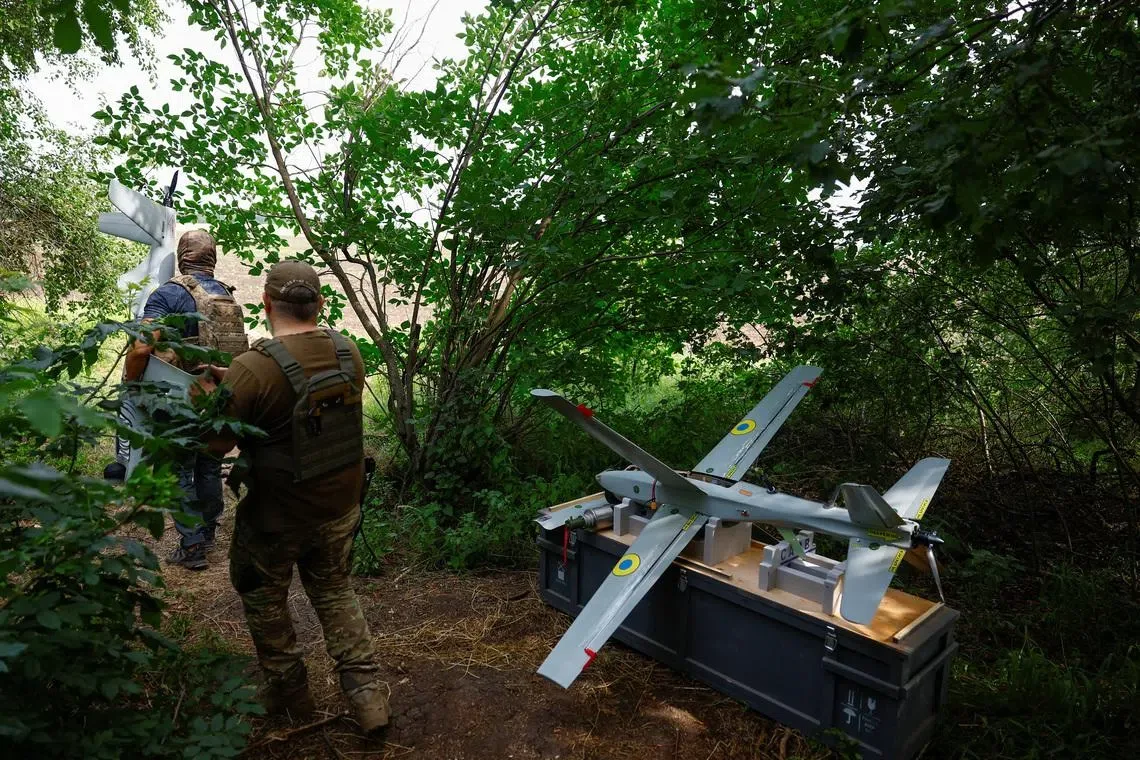
Russian forces are using powerful jamming systems, including one called Volna Kupol Garant, to disrupt Elon Musk's Starlink satellite internet used by Ukrainian drones in eastern Ukraine [1, 2, 3]. Serhii Beskrestnov, an advisor to Ukraine's defense ministry, said the Volna Kupol Garant emits a signal strong enough to destabilize Starlink over about 20 square kilometers [1]. Ukrainian mid-strike drones rely heavily on Starlink to hit targets dozens of kilometers behind front lines, transforming Ukraine’s drone capabilities [1, 2, 3].
In response to Russian jamming efforts, Ukraine's 422nd Unmanned Systems Regiment has successfully destroyed some Russian jamming installations, restoring Starlink connectivity and drone flight operations. A Ukrainian drone crew commander said, "As soon as we struck that installation, our Starlink-equipped (drones) flew without problems" [1].
Meanwhile, Ukraine intensified drone attacks on Russian fuel tankers and supply routes in the Sea of Azov region to disrupt supplies to occupied Crimea. Between July 6 and 8, Ukrainian forces struck 19 Russian tankers, a cargo ship, and a ferry, with nine tankers hit on the night of July 7 alone, according to Ukrainian military sources [4]. Robert Brovdi, commander of Ukraine's drone forces, said they had cut off logistics and taken control of the fuel and energy complex in Crimea [4].
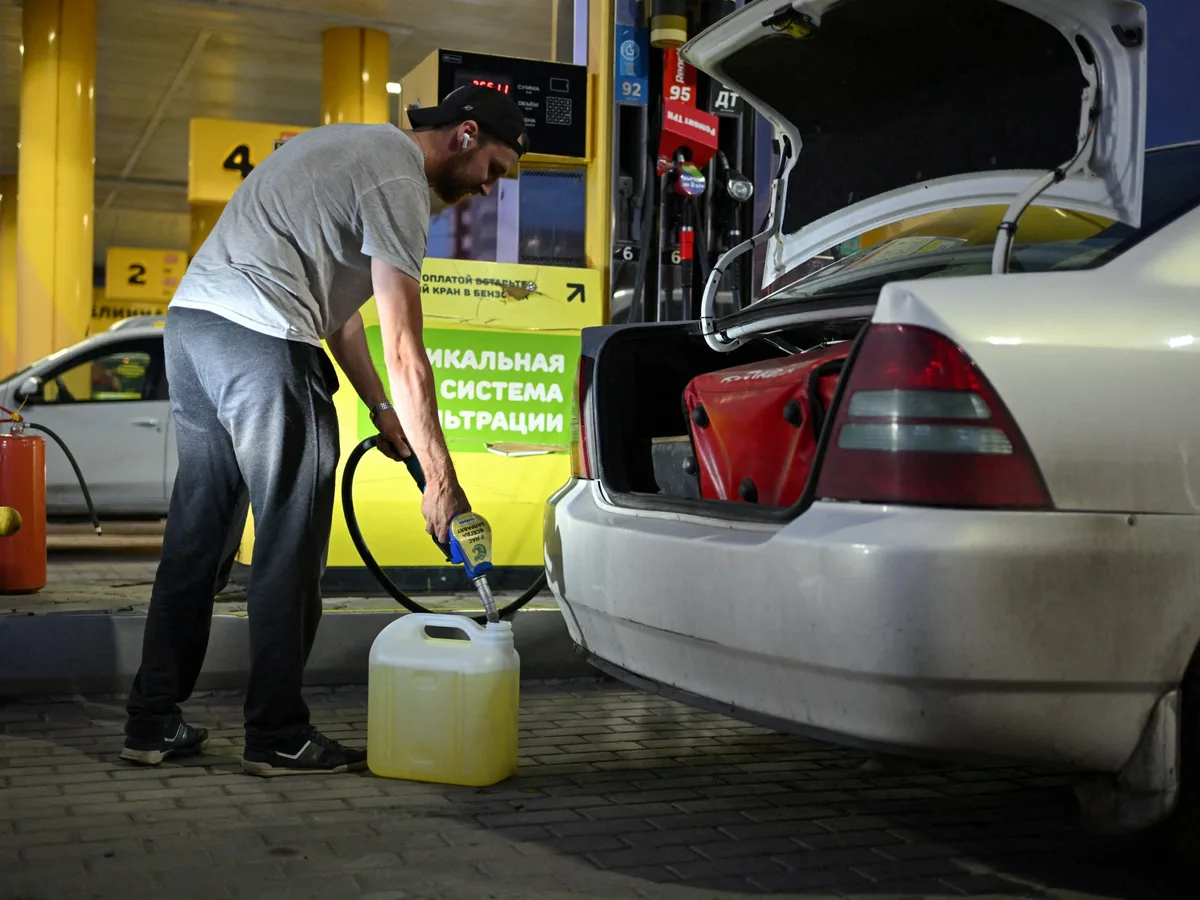
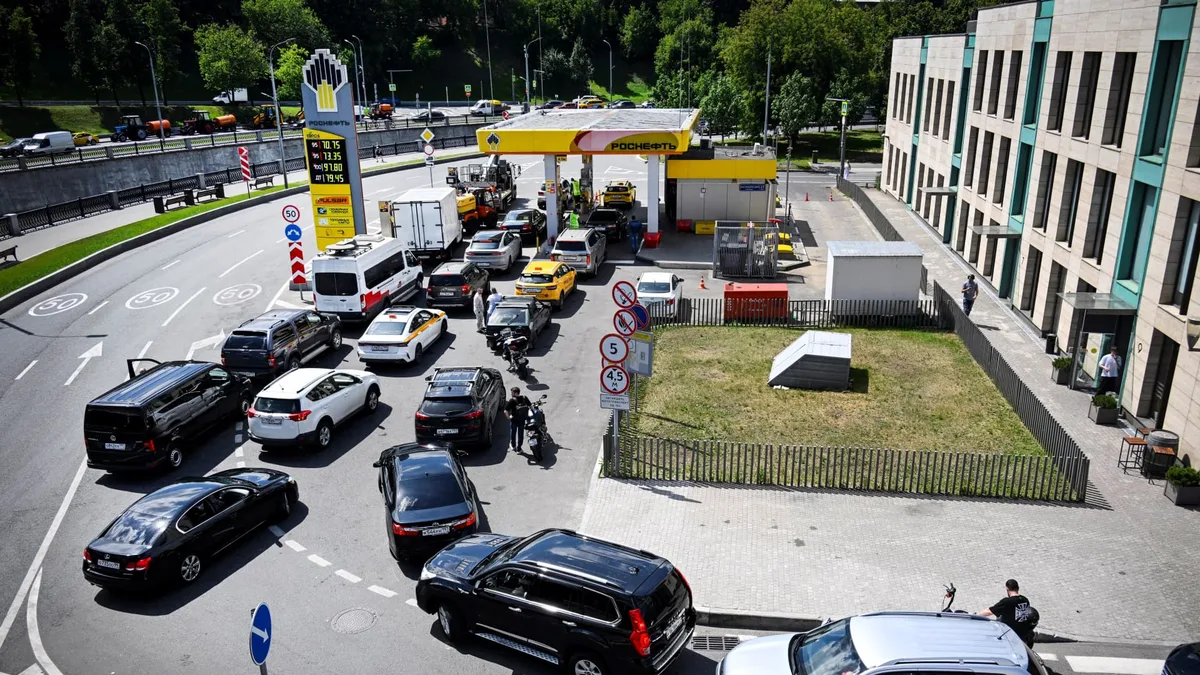
Ukrainian drones have also attacked Russian fuel refineries deep inside Russia, including the Omsk refinery in Siberia nearly 2,500 kilometers from Ukraine, contributing to a nationwide fuel shortage in Russia [5, 4, 6]. Ukrainian President Volodymyr Zelenskyy said these upgraded drone capabilities have put Siberia "within reach" [5]. Russian President Vladimir Putin publicly acknowledged the impact of Ukraine’s drone strikes on Russia's fuel production and supply [5, 6].
Fuel shortages in Crimea have worsened due to these drone attacks, causing rationing and electricity blackouts across the peninsula [4, 6]. Russia has rerouted fuel supplies primarily by sea after overland routes were blocked. Ukrainian Navy spokesman Dmytro Pletenchuk noted Russia’s limited use of the Kerch Bridge for fuel transport, citing risks from prior Ukrainian attacks [4].
The drone strikes and jamming battles reflect an intense struggle over control of airspace and logistics, with Ukraine targeting Russian fuel supplies deep inside Russia while countering Moscow’s efforts to block Starlink communications. Ukrainian drone forces continue to target Russian jamming systems and logistical nodes to maintain operational control.
The fighting remains active as of early August 2026, with ongoing drone operations expected to continue disrupting Russian fuel supplies and communication systems.