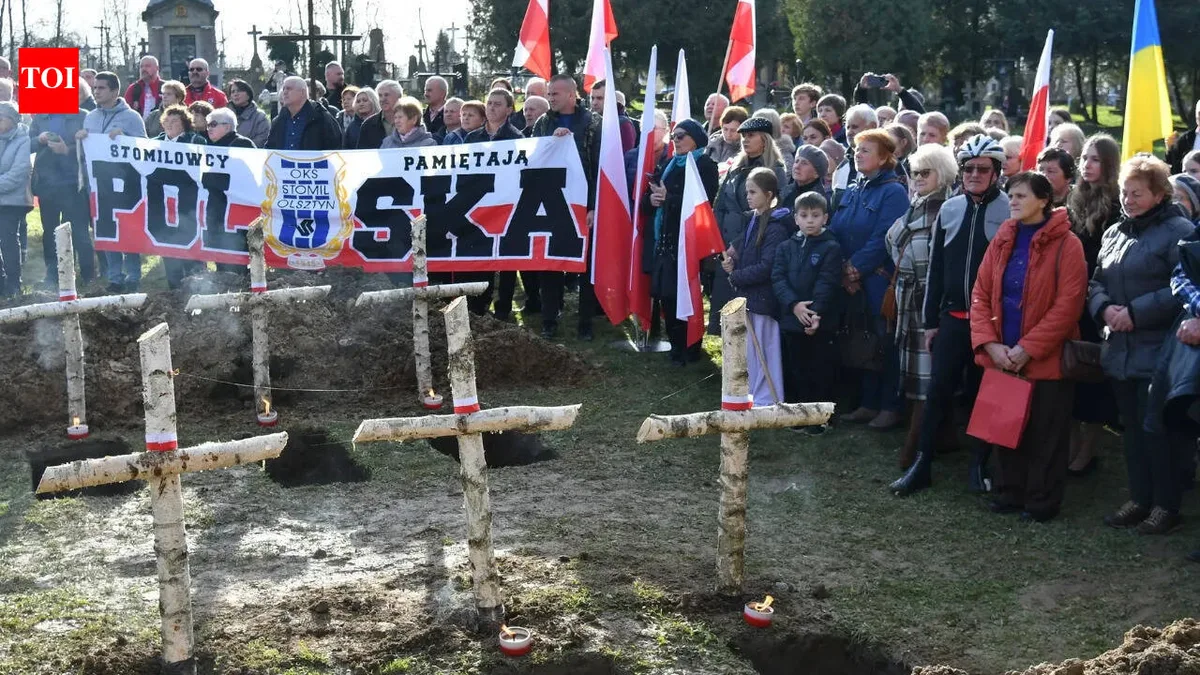
Russia has significantly increased an online disinformation campaign in Poland, exploiting the contentious historical dispute over the World War II Volhynia massacres to heighten tensions between Poland and Ukraine [1, 2]. The massacres involved the killing of around 100,000 Poles by Ukrainian nationalists between 1943 and 1945, with thousands of Ukrainians killed in reprisal during the conflict [1, 2, 3].
Polish officials have documented a rise of more than 250% in Polish-language anti-Ukrainian content on social media following Ukrainian President Volodymyr Zelenskyy's decision to name a Ukrainian army unit after insurgents linked to the Volhynia massacres [1, 2]. Polish Deputy Digital Minister Pawel Olszewski said the dispute saw Russian disinformation "explode" across social and official Russian media platforms, including Telegram, with posts later repeated by Polish outlets [1]. Filip Bryjka of the Polish Institute of International Affairs noted much of the increase appeared artificially generated through bot activity designed to create the impression of rapidly growing anti-Ukrainian sentiment [1].
Wojciech Pokora of the Info Ops Poland Foundation said, "The event is real, but the interpretation is imposed by an external actor," referring to Russia's role in amplifying the narrative [2]. The Russian embassy in Warsaw denied allegations of interference, stating, "The Russian Federation does not interfere in the relations between other states" [1].
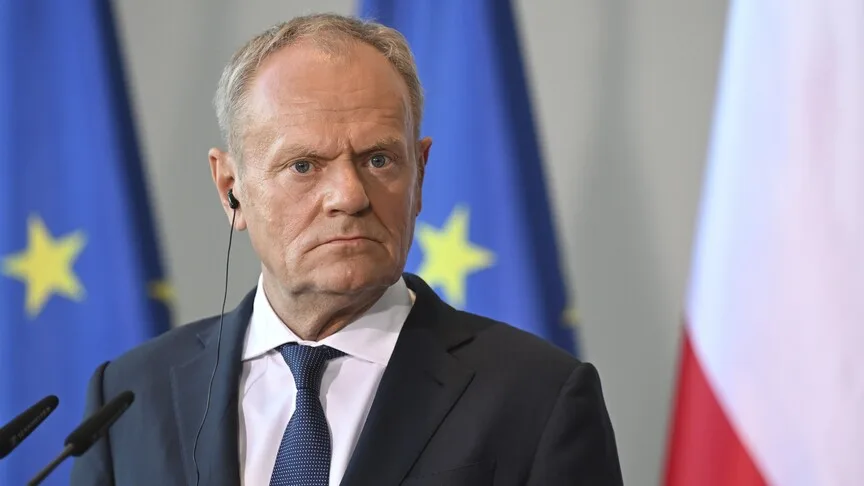
Poland has also seen a rise in anti-Ukrainian violence amid the information campaign. Police received 180 reports of hate crimes against Ukrainians in the first half of 2026, a roughly 30% increase compared to the same period last year [3]. Polish Prime Minister Donald Tusk, who ordered tighter monitoring of hostility and violence against Ukrainians on August 14, said those responsible for xenophobic violence were acting "against Poland’s interests" and aiding both Russian and nationalist agendas [3].
In July 2026, the Polish Internal Security Agency charged an 18-year-old Ukrainian with carrying out 47 acts on behalf of Russian intelligence, including attacks on memorial sites designed to provoke conflict [3].
Polish officials warn that Russian information operations seek to deepen divisions between the two countries, threatening security and bilateral relations [1, 3]. The historic dispute over the Ukrainian Insurgent Army’s identity remains a major source of tension between Poland and Ukraine [1, 3].
In June 2026, Polish President Karol Nawrocki stripped Zelenskyy of a top Polish honor after the naming of the army unit, further inflaming the dispute [1, 2].
Poland has committed to closer monitoring of anti-Ukrainian violence and hostility following these developments, as authorities track both online disinformation and physical attacks within the country [3].