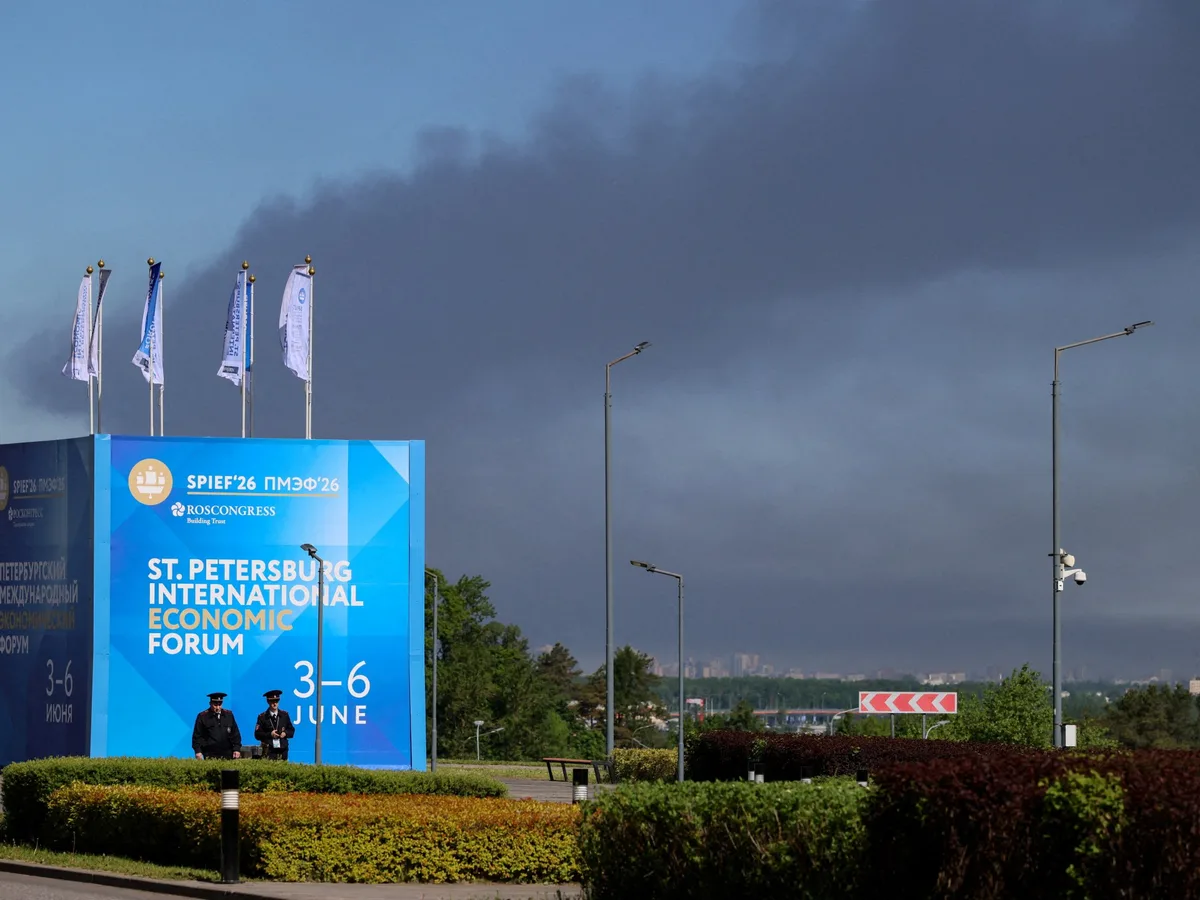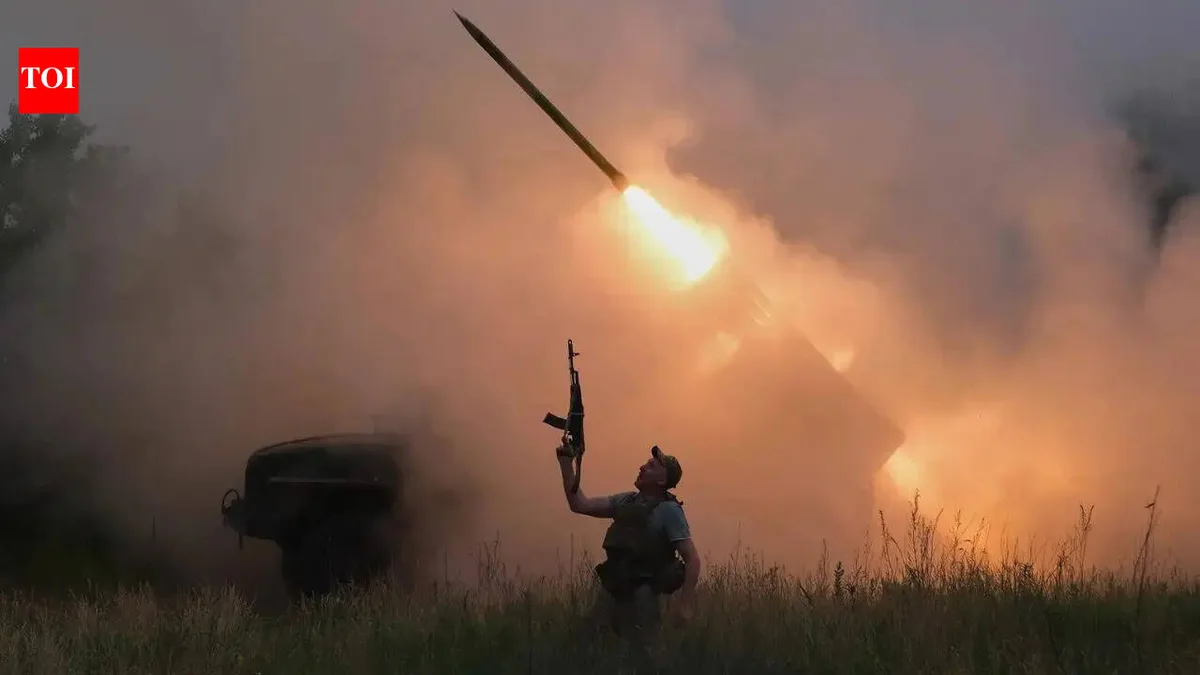
Russia's Defence Ministry said its anti-aircraft units intercepted and destroyed 339 Ukrainian drones over a 13-hour period on June 5, 2026, during drone attacks across multiple Russian regions including Moscow, Leningrad, Pskov, St Petersburg, Crimea, and areas over the Black Sea and Azov Sea [1, 2]. Another report put the number of drones shot down overnight at 376 [3].
Residents of St Petersburg were advised to stay home amid the attacks, with Moscow Mayor Sergei Sobyanin issuing safety announcements warning of the threat [1, 3, 2]. The Leningrad region governor said, "Combat operations continue," noting that 86 drones were downed in his area [3].
President Volodymyr Zelenskyy said Ukrainian drones reached about 1,000 kilometers into the St Petersburg region, targeting naval arsenals and a base in Kronstadt [3]. He condemned Russia’s attacks on Ukraine and renewed his call for Moscow to end the war. "Russia must end its war and stop its attacks on life. Any manifestation of injustice against Ukraine will receive a just response. It is time to end this war," Zelenskyy said [3, 2].
Russian President Vladimir Putin rejected Zelenskyy’s proposal for direct peace talks during the St Petersburg International Economic Forum, which ended amidst the drone attacks that also affected the event attended by some 20,000 guests [3].
The drone threat also led to multiple flight suspensions at Sochi’s airports on the Black Sea coast [1, 2].
On the Ukrainian side, Russian drone and artillery strikes killed one person and wounded three in the Dnipropetrovsk region. Authorities in Zaporizhzhia found two bodies of men missing after earlier Russian attacks [3, 2].
The large-scale drone activity on June 5-6 marks a new peak in air defense engagements. Russia continues to deploy anti-aircraft units across a wide front to counter the persistent drone threat.