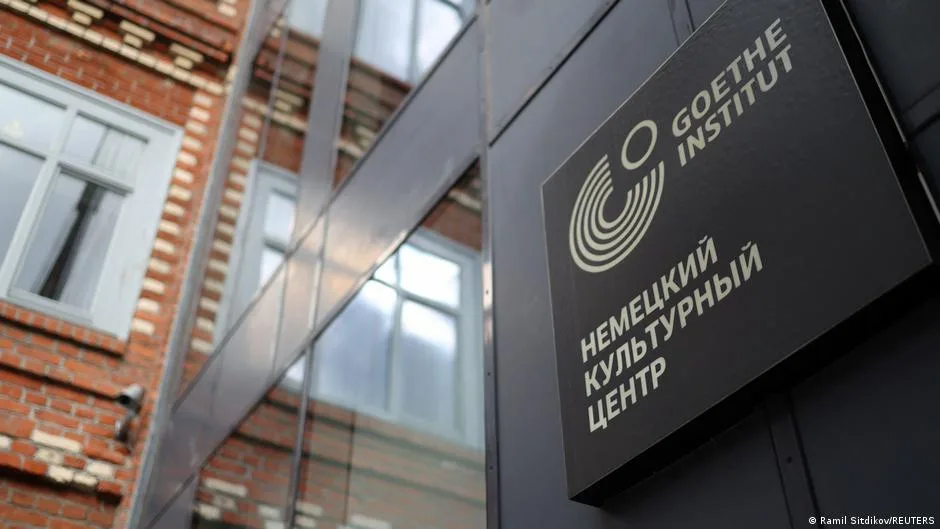
Russia announced on September 2 the closure of Goethe-Institut cultural centres in Moscow, Saint Petersburg, and Yekaterinburg as a direct response to Germany shutting down Russian cultural institutions in Berlin and Bonn [1, 2, 3, 4, 5].
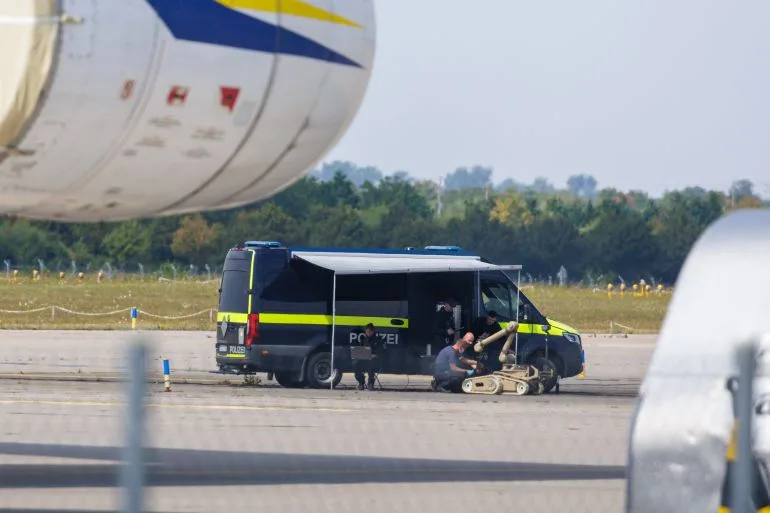
The move comes after diplomatic tensions escalated following an attempted drone attack on Leipzig/Halle airport on August 4, when German authorities found and defused an explosive-laden drone near a Ukrainian cargo plane. Germany has blamed Russia for the attack, calling it state-sponsored terrorism [1, 2, 3, 5]. Estonian Prime Minister Kaja Kallas said, "It is clear that it has all the hallmarks of state-sponsored terrorism. The question is, what do we do about this?" [1].
In response to the drone incident, Germany imposed sanctions including closing the Russian cultural centre known as the Russian House of Science and Culture in Berlin, shutting the Russian consulate in Bonn, and ordering Russian personnel and families to leave [1, 2, 4, 5]. Germany publicly announced these measures on September 1 [2, 3, 4, 5].
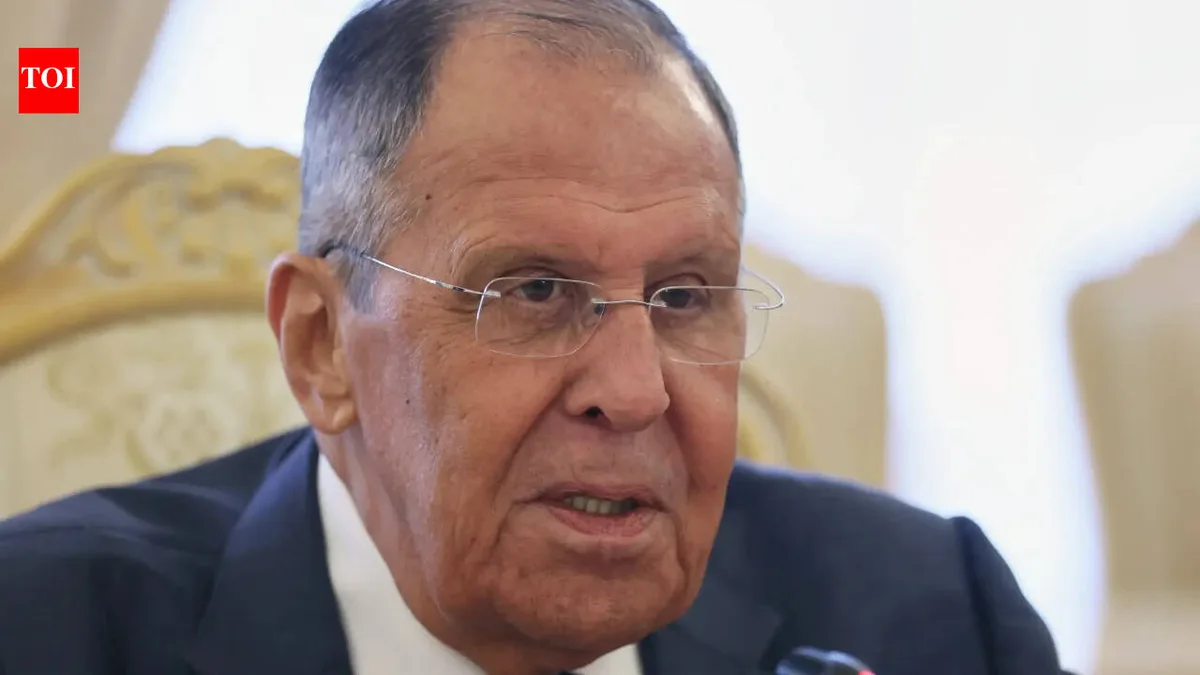
Russia denied involvement in the drone attack and rejected Germany's claims as baseless and provocative. Russian Foreign Minister Sergey Lavrov said Germany had no conclusive evidence linking Russia to the attack and called German actions provocative. Lavrov stated, "They [Germany] deliberately took this step – they could not have failed to understand – which means the end of their cultural presence in Russia" and emphasized the reciprocal nature by noting their cultural centres in Berlin were expelled, so Russia would close its Goethe-Institut centres [1, 2, 3, 5]. President Vladimir Putin claimed any evidence was "planted" [3].
German Foreign Minister Johann Wadephul criticized Russia’s decision as unjustified and damaging. He said, "I am very regretful about Russia’s decision to close the Goethe-Institut, which contributes daily to fruitful cultural relations and social exchange between Russia and Germany" [4]. The Goethe-Institut had maintained limited operations in Russia despite the ongoing Ukraine war and recent tensions [2, 5].
Following the announcement, Russia summoned the German embassy’s chargé d'affaires in Moscow to protest the German sanctions and warned it might take further reciprocal steps, potentially closing the German consulate in Saint Petersburg [2, 5].
The closures mark a further downgrading of cultural ties months after the August 4 drone incident. The situation remains tense as both sides appear set for continued reciprocal actions related to cultural and diplomatic institutions.