Russia threatened on May 25 to launch a series of systematic strikes targeting Kyiv's decision-making centres, command posts, and drone manufacturing facilities, according to Russian officials and statements from the foreign ministry [1, 2, 3, 4, 5, 6].
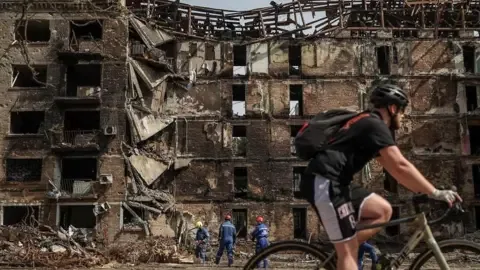
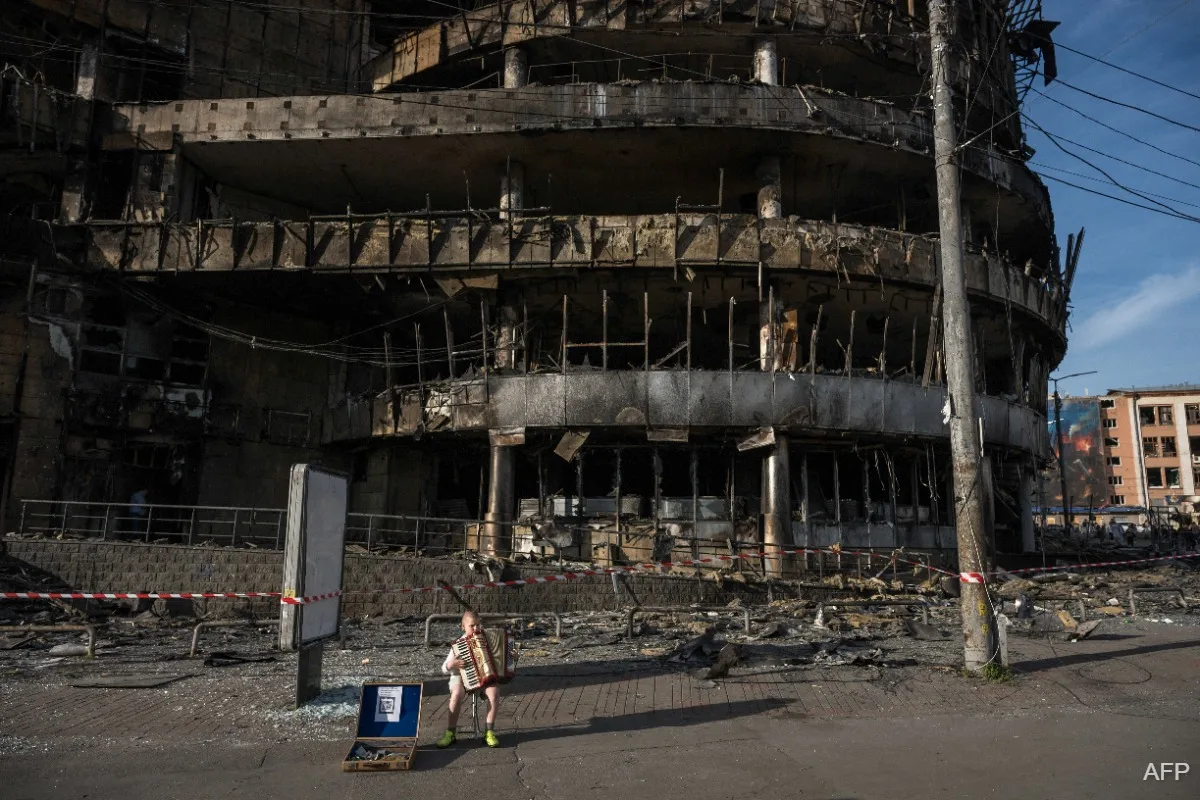
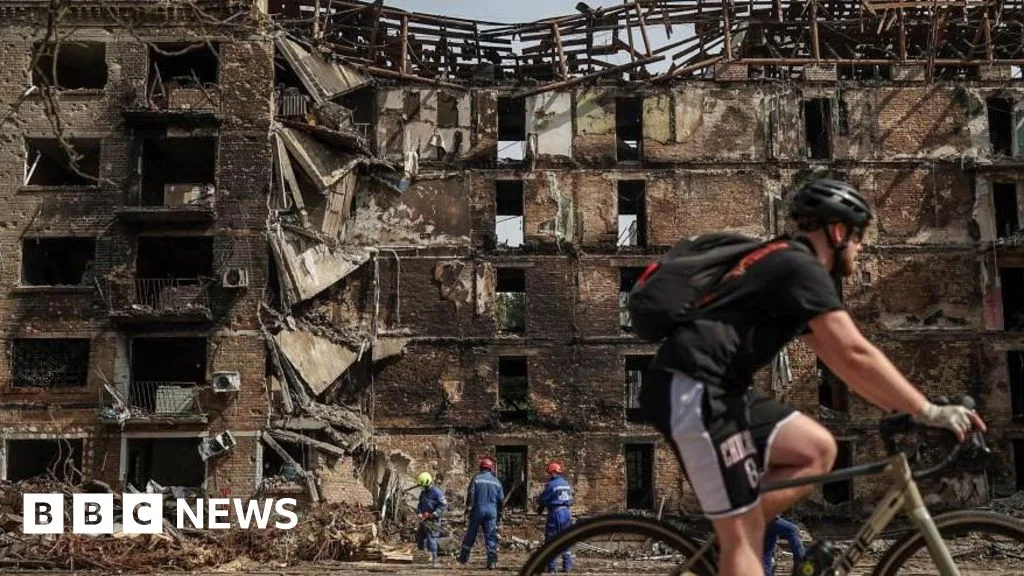
The warning came after a heavy Russian bombardment of Kyiv over the weekend killed at least four people and injured dozens. Russia used dozens of ballistic and cruise missiles, hundreds of drones, and a hypersonic nuclear-capable Oreshnik missile in the attacks, which damaged or destroyed civilian and cultural sites including the National Chernobyl Museum and the National Art Museum of Ukraine as well as markets and residential buildings [1, 2, 3, 4, 7]. The director of the Chernobyl Museum said, "As of today, there is not a single room in the National Chernobyl Museum that has not been destroyed" [2].
The escalation followed a drone attack on May 23 on a student dormitory in Starobilsk, Luhansk region, which Russia said killed 21 people and wounded others. Ukraine denied targeting civilians, stating its military targeted an elite Russian military drone unit in the area [1, 2, 8, 3, 4, 6]. Casualty figures differ: Russian sources cite 21 dead, while Ukrainian sources report at least 18 dead and 42 wounded [1, 2, 3].
Russian Foreign Minister Sergey Lavrov spoke with U.S. Secretary of State Marco Rubio on May 25 to urge evacuation of U.S. diplomats and citizens from Kyiv. Rubio responded that the United States is prepared to mediate an end to the war, calling the strikes "a reminder of why this is a terrible war that’s now gone on longer than the second world war, and it needs to come to an end" [9, 8, 10, 6, 5].
Russia broadened its evacuation warning to include all foreign nationals, diplomatic staff, and representatives of international organizations, telling them to leave Kyiv as soon as possible [1, 8, 3, 4, 7]. European countries including Germany, Norway, the Netherlands, and the EU summoned Russian envoys on May 26 to condemn the threats to diplomats and civilians in Kyiv [11, 12, 7]. Germany’s Foreign Office declared it "will not be intimidated by threats and will continue to support Ukraine with full force" [7]. An EU spokesperson called Russia's warnings "an unacceptable escalation" and rejected attacks on civilians [11]. France’s foreign ministry stated it will not evacuate nationals despite repeated Russian threats [4].
Russia accused Europe and Ukraine of undermining previous agreements between Putin and former U.S. President Trump related to the conflict, though this claim carries medium confidence [8, 5].
The hypersonic missile fired in the weekend strikes traveled about 90 kilometers south of Kyiv near Bila Tserkva [1].
The next scheduled developments include ongoing monitoring of Kyiv's security situation and international diplomatic responses in the coming days following the latest Russian threats and warnings to foreign nationals.