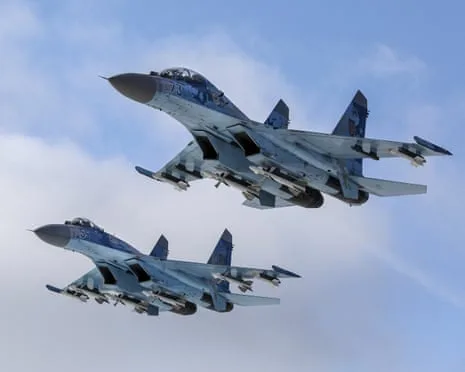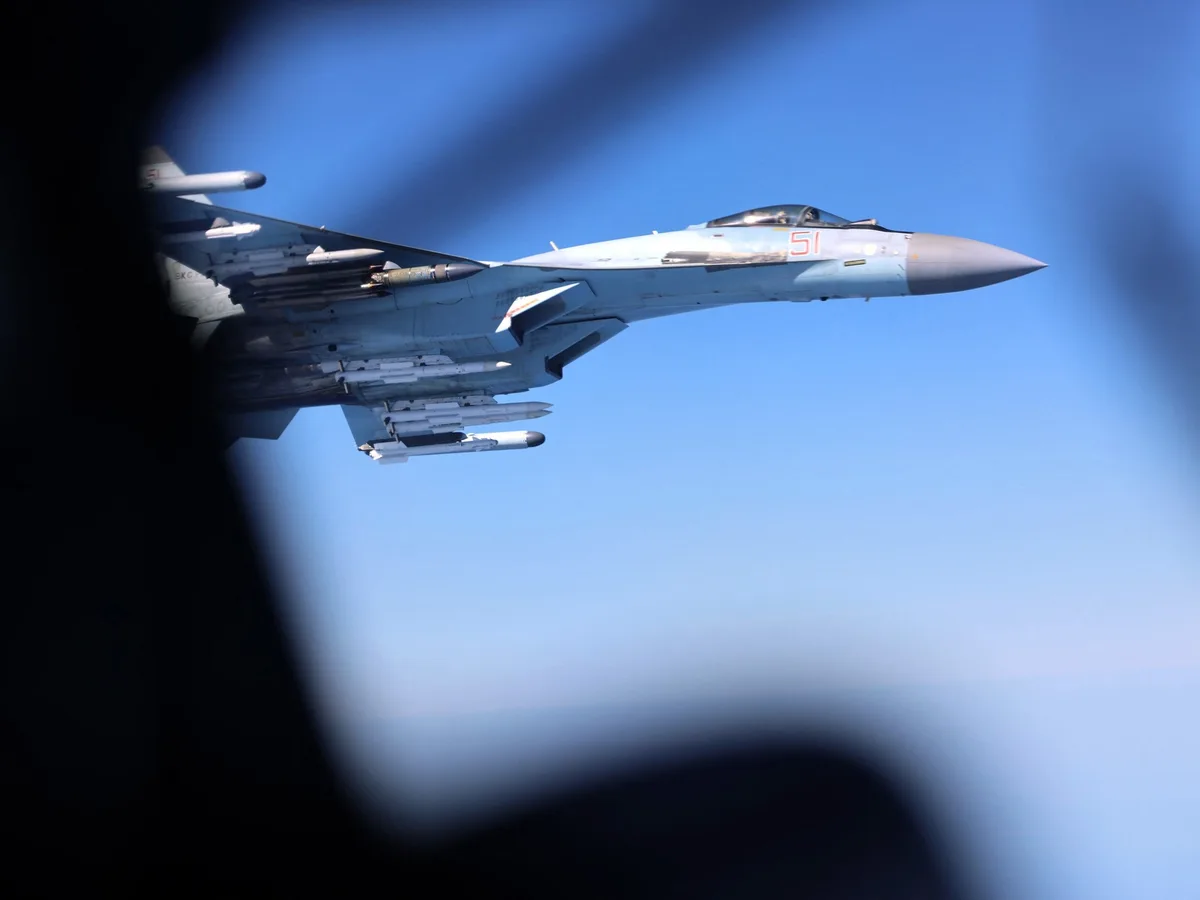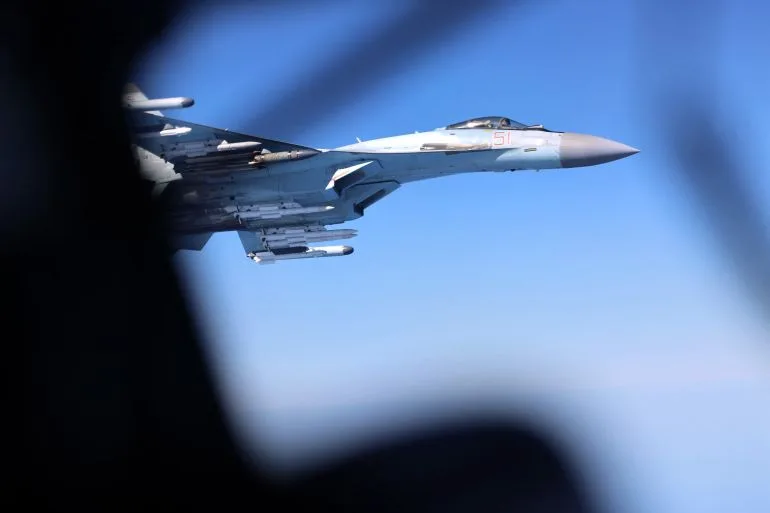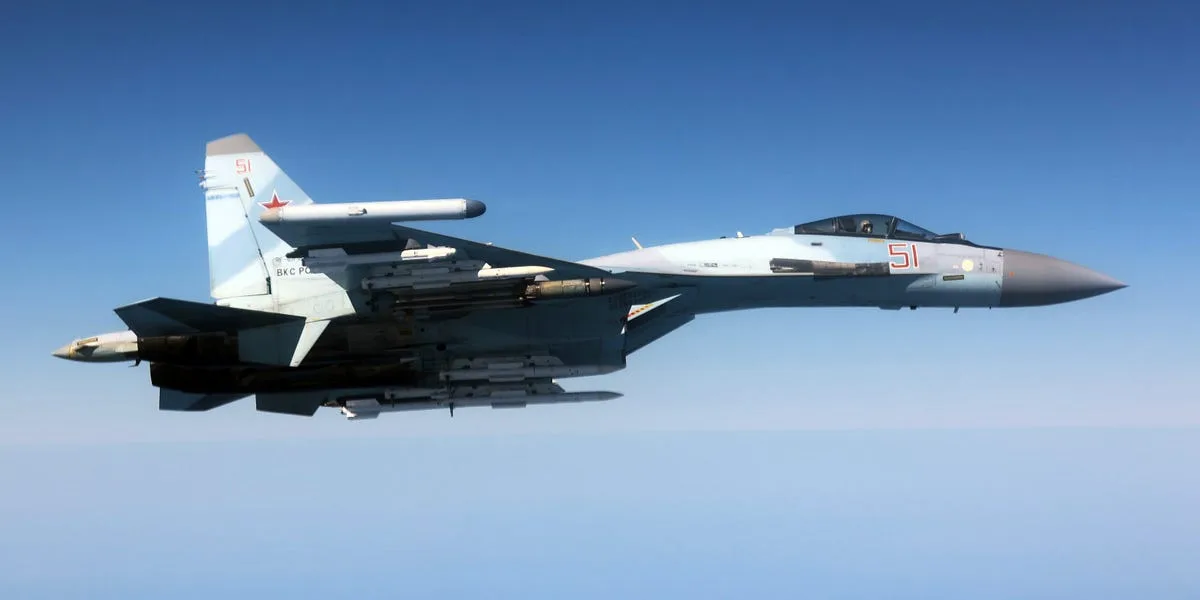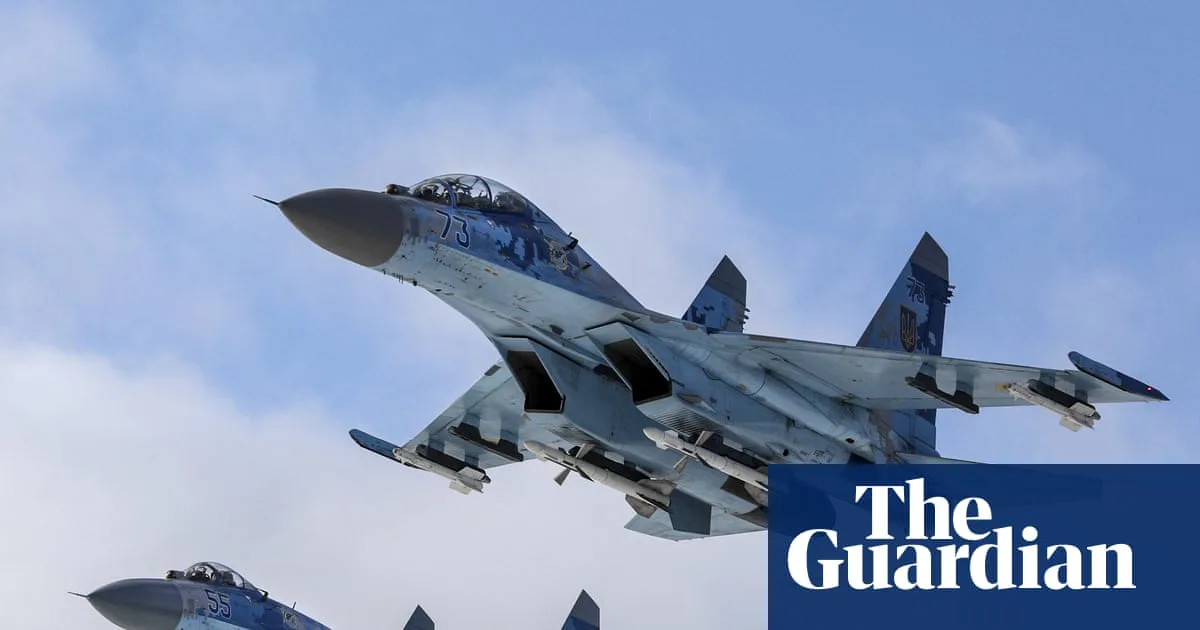
Two Russian fighter jets, a Su-27 and a Su-35, intercepted an unarmed British Royal Air Force Rivet Joint surveillance plane over the Black Sea in international airspace in April 2026 [1, 2, 3, 4]. The British aircraft was on a routine surveillance mission securing NATO's eastern flank [1, 2, 3, 4].
During the incident, the Su-27 conducted six passes in front of the RAF plane, flying as close as six metres from its nose [1, 2, 3, 4]. The Su-35 came even closer, triggering emergency systems on the British plane, including disabling its autopilot [1, 2, 3, 4]. The RAF Rivet Joint was flying at approximately 500 mph with a crew of up to 30 personnel at the time [2].
UK Defence Secretary John Healey condemned the Russian maneuvers as "dangerous and unacceptable behaviour" that risked accidents and escalation [2]. He added, "This incident is another example of dangerous and unacceptable behaviour by Russian pilots, towards an unarmed aircraft operating in international airspace. These actions create a serious risk of accidents and potential escalation" [2]. Healey also praised the RAF crew, saying, "I would like to pay tribute to the outstanding professionalism and bravery of the RAF crew who continued with their mission despite these dangerous actions" [4].
The UK Ministry of Defence described the April 2026 event as the most dangerous Russian action against a British surveillance plane in the Black Sea since a 2022 incident when a Russian aircraft fired a missile near a British plane—a missile Moscow later called a technical malfunction [1, 2, 3, 4]. Following the interception, the UK lodged formal complaints with the Russian embassy [3].
In recent months, the UK has also tracked Russian submarine activity near critical UK undersea infrastructure and followed Russian naval movements, signaling increased Russian military activity in Europe [1, 2, 3]. On April 9, 2026, Healey disclosed that UK forces were monitoring Russian submarines engaged in covert operations near British undersea cables [3].