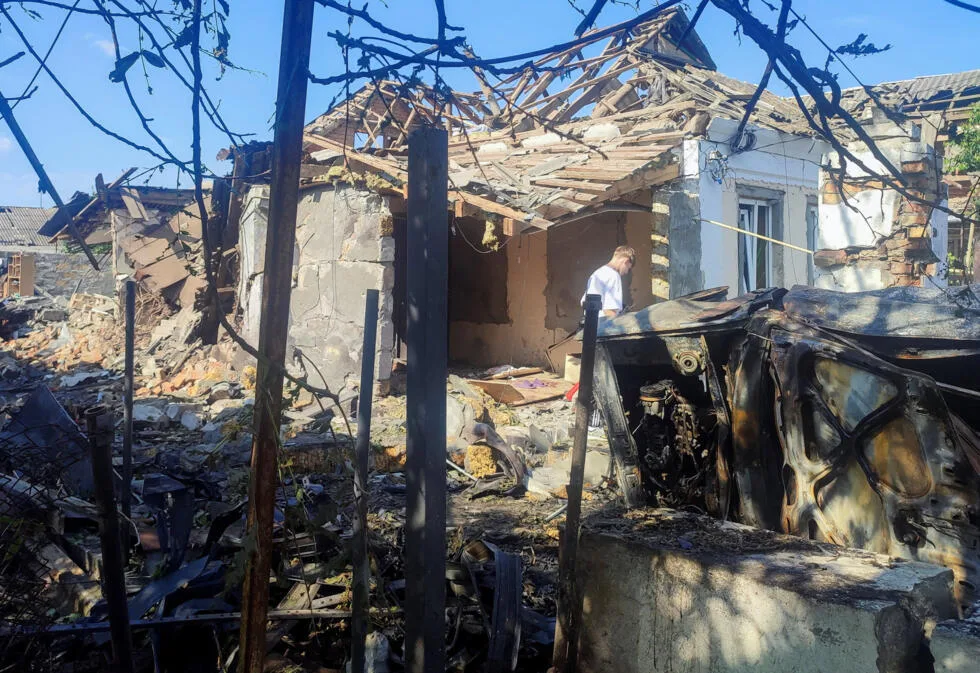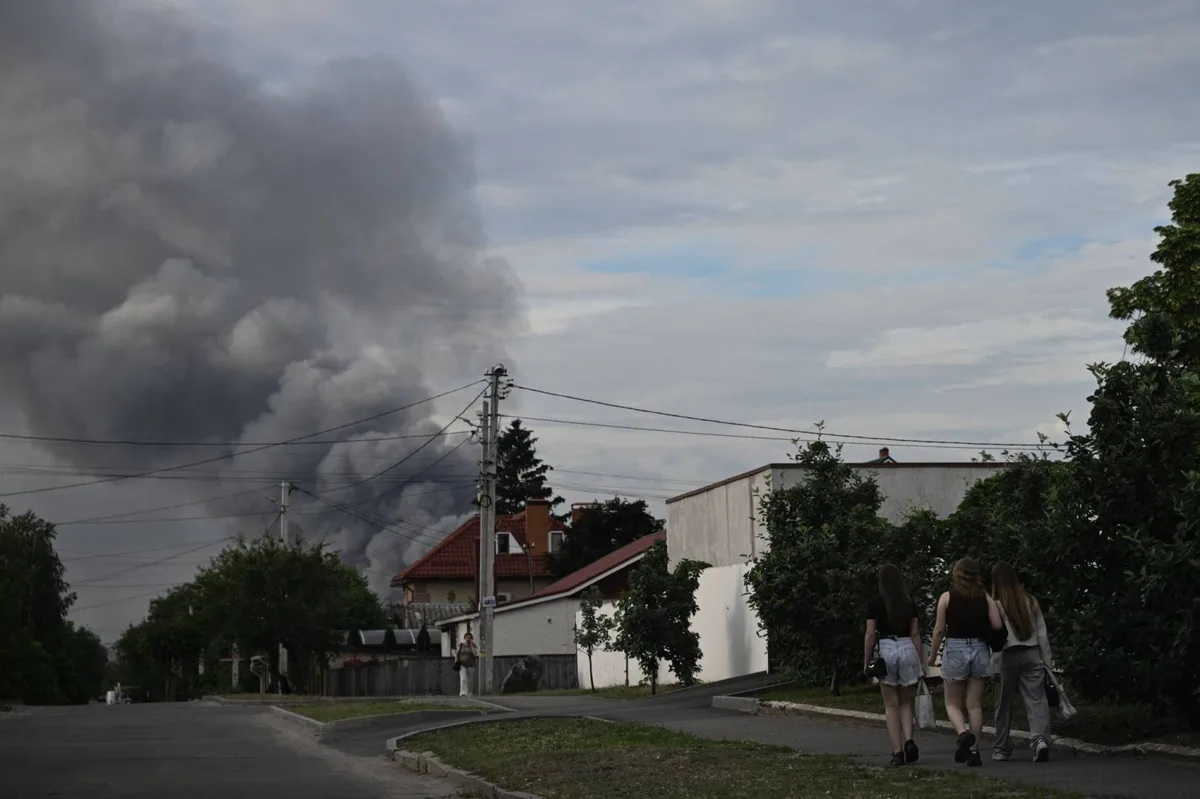
Russian forces have intensified bombardments of Ukrainian towns and cities over several months but are making slower progress on the battlefield, officials and analysts say [1, 2]. More than four years into the invasion, official Russian claims of capturing Ukrainian territory have become less frequent, reflecting the slowed pace [1, 2].
Ukrainian forces have gained footholds in some contested areas, pushing back at times and halting broader Russian advances [1, 2]. The Institute for the Study of War (ISW) reported that between April and May 2026, Russian troops lost more ground in Ukraine than they gained, marking a significant shift in momentum [2]. Early June updates from ISW noted that Ukrainian forces largely stopped Russia’s spring-summer offensive [2].
Russian military expert Alexander Khramchikhin said, "The Russian army's advance is proceeding at an extremely slow pace" [2]. Despite fielding a larger and better-equipped army, Russia faces a 'dead zone' along the front, hindered in part by Ukrainian drone operations that limit movement [2].
Russian tactics have focused on infiltration, sending small groups behind enemy lines to hold key positions until reinforcements arrive [2]. Instead of broad territorial gains, Moscow has concentrated on attempting to seize strategic points such as the Ukrainian stronghold of Kostyantynivka in the Donetsk region [2].
The latest reports confirm that while intense strikes and bombardments continue, Russian advances in Ukraine have slowed significantly as of early June 2026 [2].