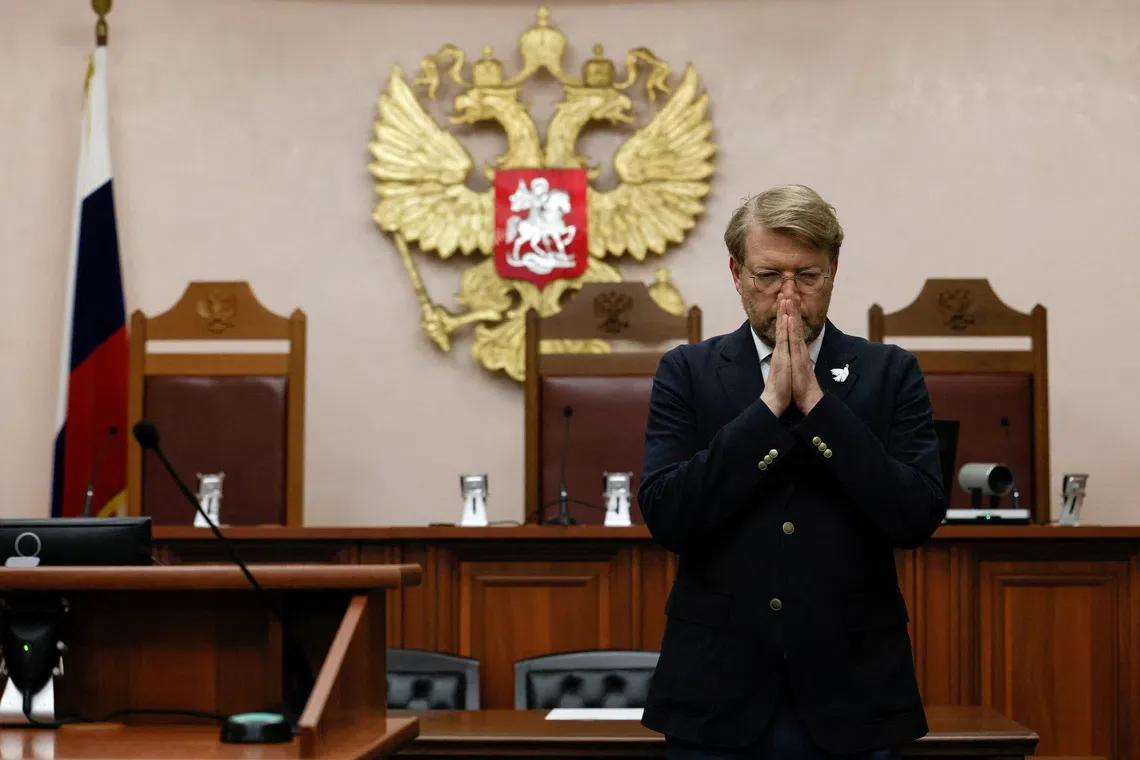
Russia’s Supreme Court ruled on August 10-11, 2026, to bar the Yabloko party from participating in the September State Duma election, confirming a lawsuit filed by the pro-Kremlin Rodina party accusing Yabloko of receiving undeclared campaign support, including from Western sources [1] [2] [3]. Yabloko is the only registered party openly opposing Russia’s war in Ukraine and calling for a ceasefire [4] [5] [1] [2] [3].
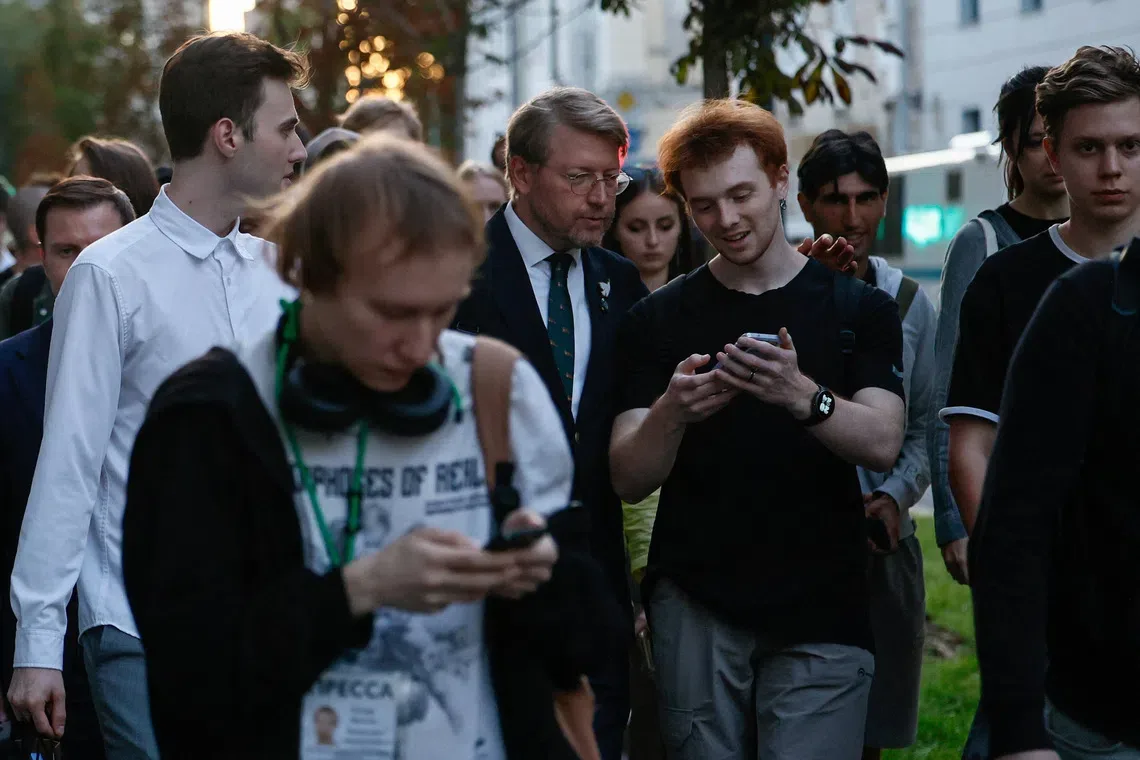
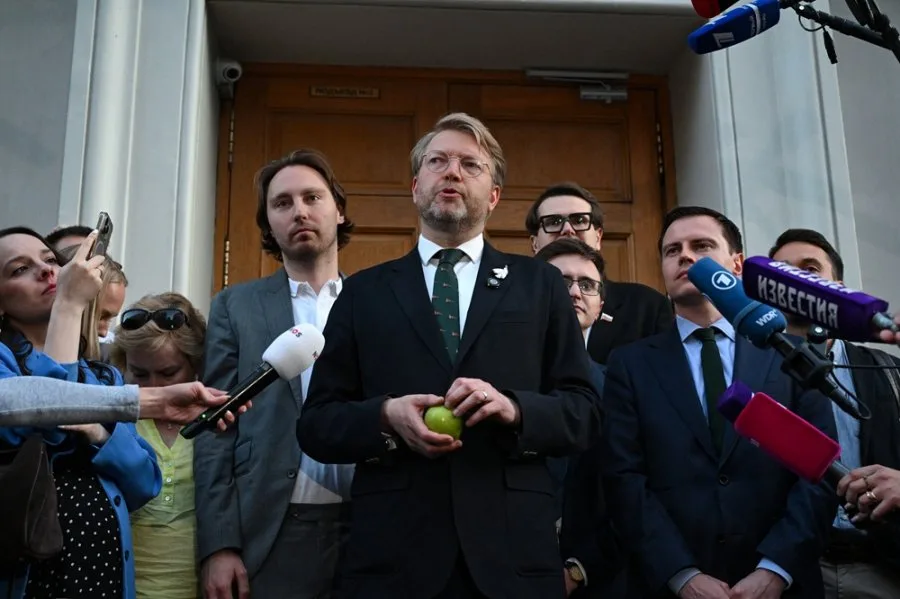
Yabloko denied the allegations, calling the court case unconstitutional political persecution aimed at silencing dissent. "There is no evidence supporting the claims; this case is an unconstitutional attempt by political opponents to eliminate competition and attack freedom of thought," said Yabloko leader Nikolai Rybakov [1]. Hundreds of mostly young supporters protested outside the Supreme Court chanting "Shame!" after the ruling [1] [3].
Rybakov vowed to continue political efforts from inside Russia despite repression. "For us, the support of the people that exists now, which is completely obvious and impossible to hide, is far more important than the court's decision," he said. "I am in Russia and will remain in Russia. It is only possible to change what is happening in Russia, to change the political situation in Russia, by being inside the country," Rybakov added [5].
Yabloko currently holds no seats in the 450-member State Duma and only a handful of seats in regional legislatures [4] [5] [3]. United Russia, the Kremlin’s ruling party, is expected to dominate the September vote. Yulia Navalnaya, widow of opposition leader Alexei Navalny, said banning Yabloko removes an anti-war option for voters. "The anti-war majority of Russians saw that it had a unique chance to express its position and vote for an anti-war party. The Kremlin could not allow that," Navalnaya said [4] [1] [2].
Other critics noted the ban undermines democratic competition. "It was wrong to bar them. Why not give them the opportunity to (put forward) some of their own plans and ideas?" said Alla Galieva. Tatyana Uvarova added, "Democracy should not be restricted in this way. I'd prefer if everyone who wants to should be able to put forward their programme and try to run in an election on equal terms" [4].
The Yabloko party is appealing the Supreme Court decision [4] [5] [1] [2] [3]. The party’s Telegram post announcing the ban received over 100,000 likes [4]. Russian authorities have increased censorship and repression of opposition voices amid the ongoing Ukraine war and internal dissent [4] [3].