Russia's Supreme Court ruled on 10 August 2026 to exclude the Yabloko party from the upcoming parliamentary elections scheduled for September 2026 [1, 2, 3, 4, 5, 6]. The decision followed a lawsuit filed by the nationalist Rodina party, which alleged that Yabloko had received undeclared foreign funding and violated extremism laws [1, 2, 3, 4, 6]. Judge Vyacheslav Kirillov stated, "The claims seeking to annul the registration of the federal list of candidates for the State Duma of the ninth convocation, nominated by the Yabloko political party, were granted" [3].
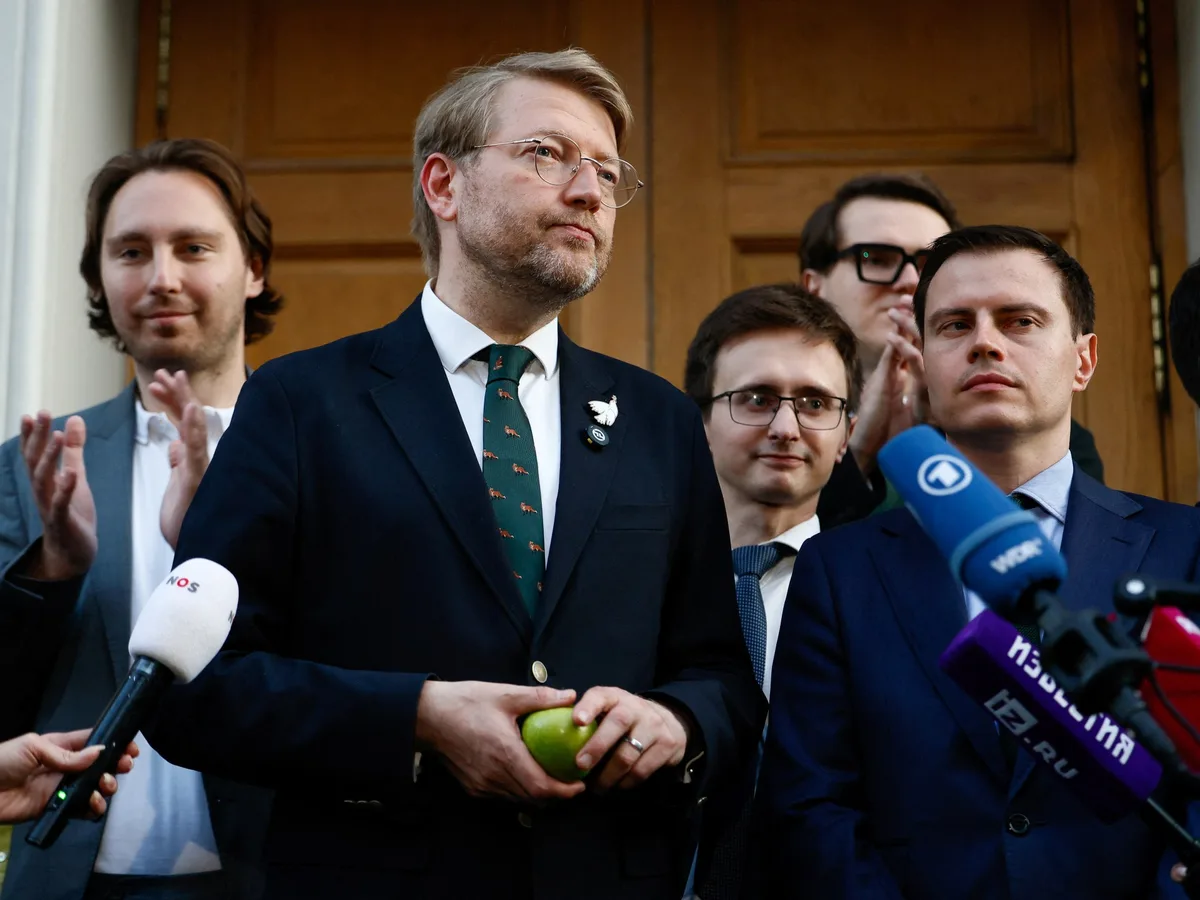
Yabloko has been the only officially registered party openly opposing Russia's war on Ukraine since the 2022 invasion [1, 2, 3, 5, 6]. Its platform advocates for a ceasefire, diplomacy, and an end to the conflict [1, 3, 5]. Party leader Nikolai Rybakov called the court case political suppression and denied any wrongdoing, saying no evidence supported the allegations and that funds received were legal transfers by Russian citizens abroad, with suspicious donations returned [2, 3, 4, 5, 6]. Rybakov told supporters, "We have a long way ahead, and we have a big and important task: to stop deaths and bring the peace back. Everything we do should be dedicated to that." [3]
Earlier this year, in June, Yabloko deputy leader Maxim Kruglov was sentenced to seven years in prison for social media posts critical of the war; he was also barred from running in the election [1, 5]. In late July 2026, the Central Election Commission had initially approved Yabloko's candidate list [1, 3].
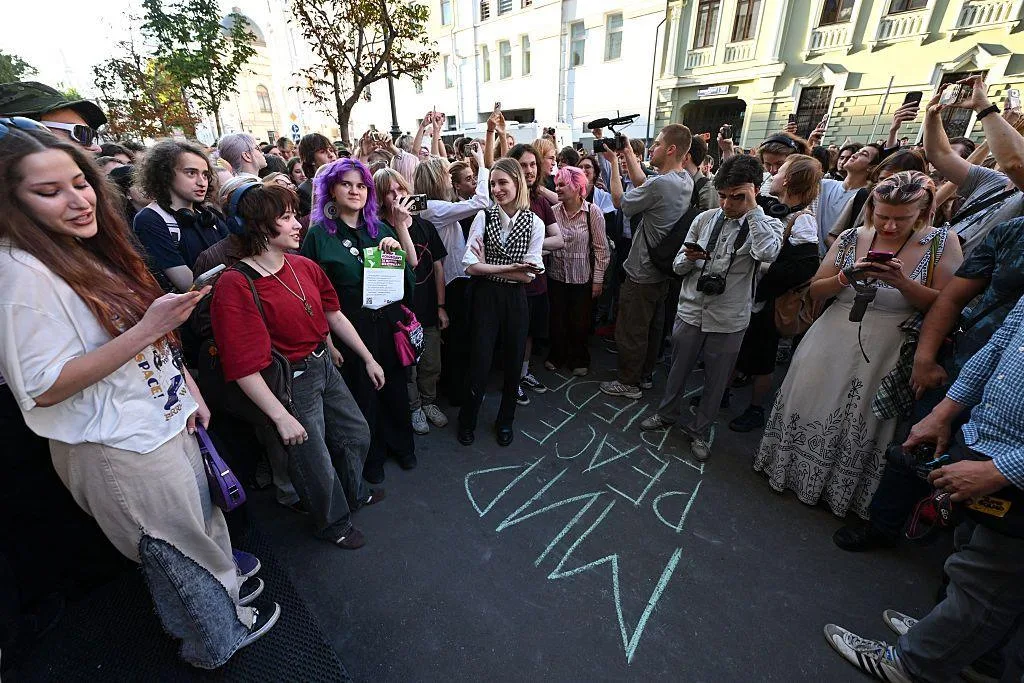
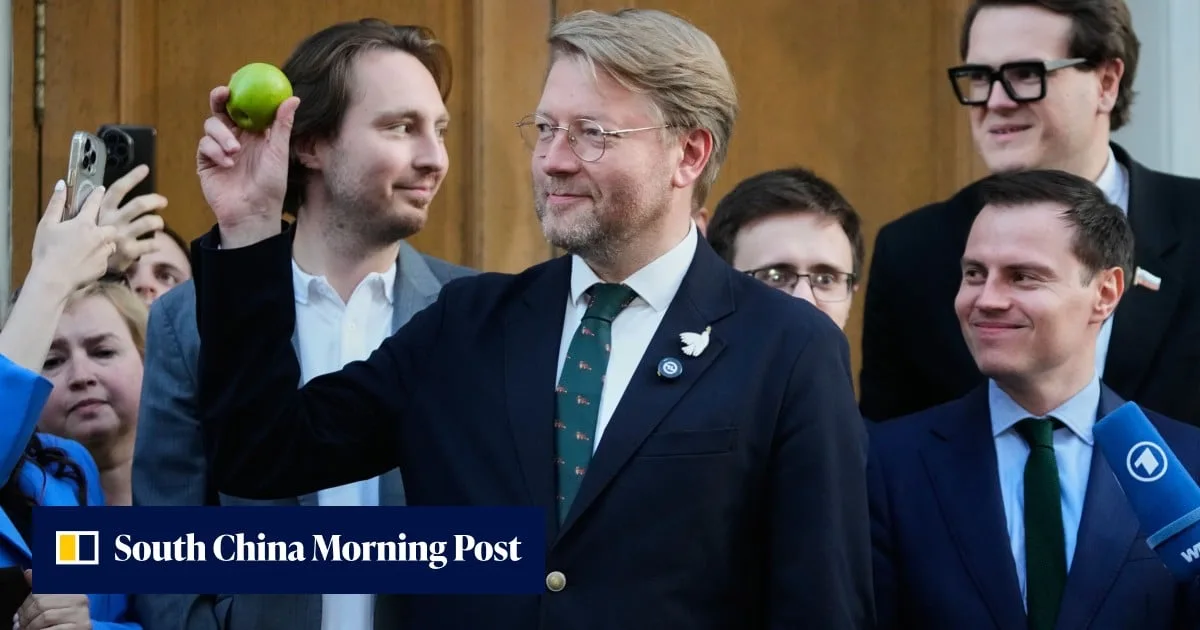
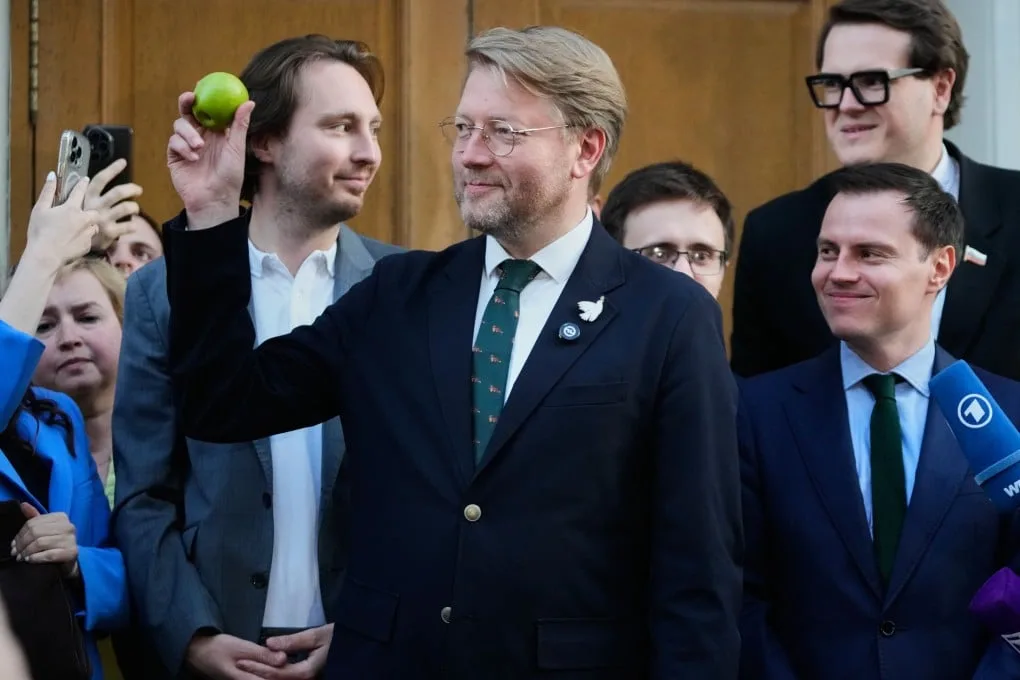
Hundreds of mostly young people gathered outside the Moscow courtroom on the day of the ruling, chanting "Shame!" and carrying apples as a symbol of support for Yabloko [1, 3, 4, 5]. One young supporter, 22-year-old Yevgenia, said, "We would really like to reach some kind of peaceful agreement so that this special military operation can finally come to an end." [5]
The legality and source of Yabloko's alleged foreign funding remains disputed. Authorities and Rodina claim the party received undeclared money from countries including Germany and the US, while Yabloko denies the allegations, emphasizing that funds reportedly totaling about 16,900 rubles (~$200) came from Russian citizens abroad and that dubious anonymous transfers were returned [1, 2, 3, 4, 6].
According to polling earlier in 2026, Yabloko enjoyed around 3% support—below the 5% threshold needed for State Duma representation [3].
Yabloko plans to appeal the Supreme Court's ruling within five days of the decision, aiming to overturn its exclusion from the parliamentary race [2, 3, 4, 5, 6].