Senegal implemented a new law in late March 2026 that increases prison sentences for same-sex sexual acts, doubling the terms from previous ranges to now five to 10 years in prison [1, 2]. The law also criminalizes financing same-sex relationships and the 'glorification of unnatural acts,' broadening penalties to include promotion or engagement in homosexual conduct [1, 2].
Since February 2026, authorities have intensified arrests of gay individuals. In one instance, 12 men were detained in Dakar for 'acts against nature' under the revised law [1]. The prison sentences for such acts were increased from a range of one-to-five years to five-to-10 years, according to some sources [2].
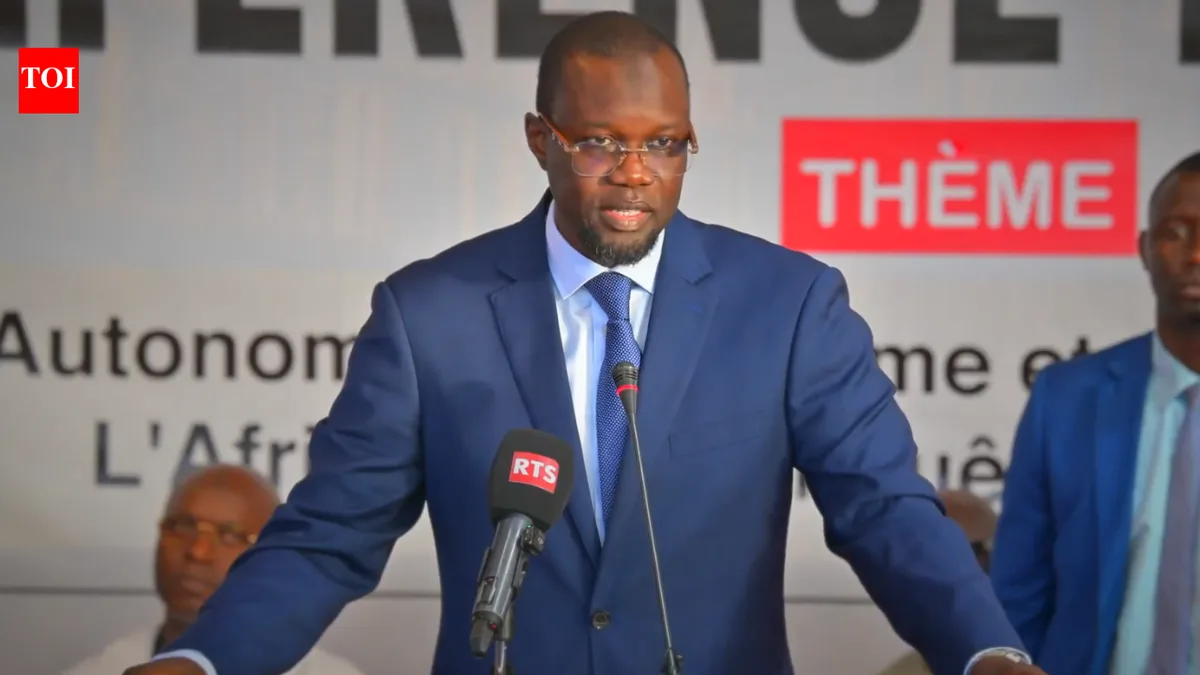
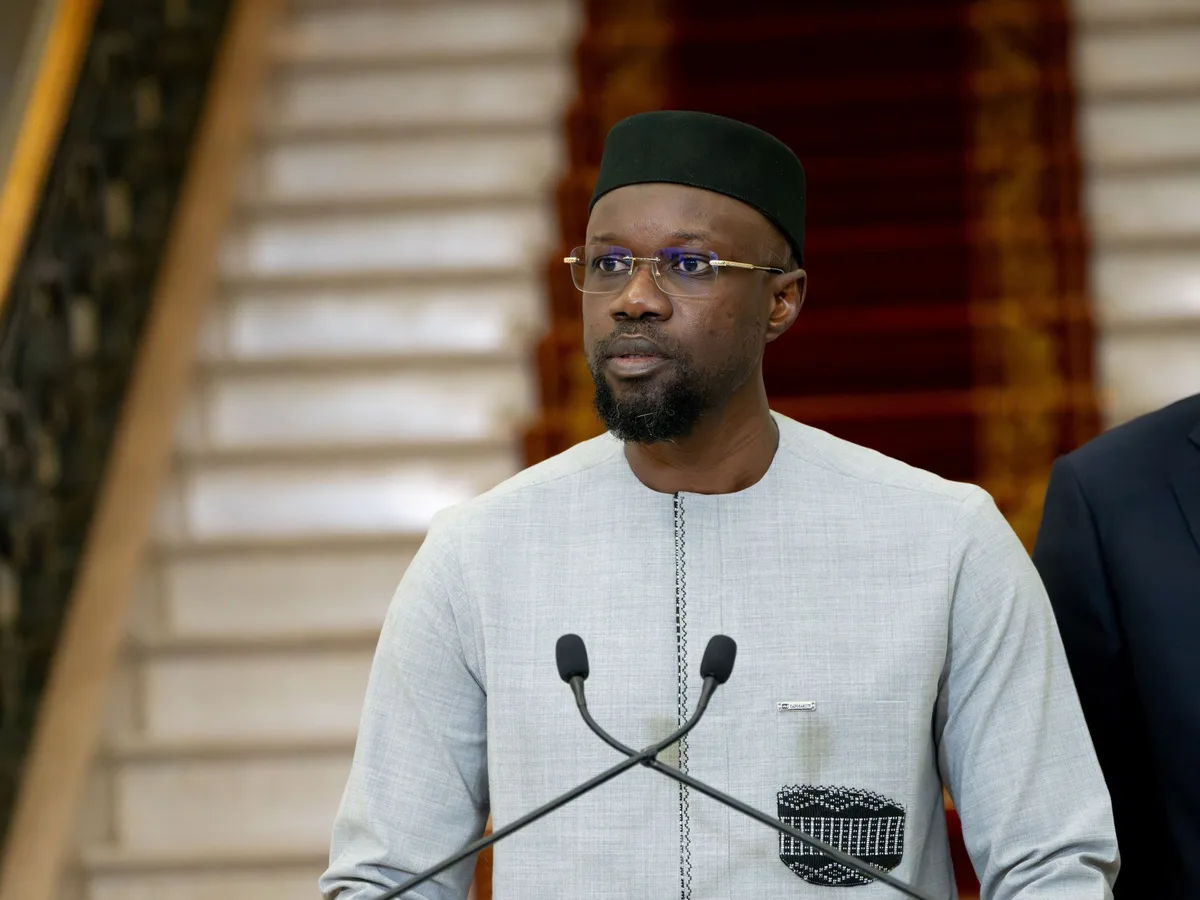
Prime Minister Ousmane Sonko has strongly defended the legislation, condemning Western criticism and accusing Western countries of trying to impose homosexuality on Senegalese society. Sonko said, "There is a kind of tyranny. There are eight billion human beings in the world, but there is a small nucleus called the West which, because it has resources and controls the media, wants to impose it [homosexuality] on the rest of the world" [1]. He also claimed that 80% or more of the global population rejects homosexuality and said no Arab or African country has criticized Senegal's law, only Western nations have [2]. Sonko faced the National Assembly on May 22, 2026, to defend the law amid criticism, particularly from France [1, 2].
The law places Senegal among roughly 65 countries worldwide—more than half in Africa—that criminalize same-sex relations [1]. United Nations Human Rights chief Volker Turk described the legislation as "deeply worrying" and warned it exposes people to hate crimes, abuse, arbitrary arrests, blackmail, and widespread discrimination in education, health, employment, and housing. Turk added the law restricts the legitimate work of human rights defenders, the media, and freedom of expression across Senegal [1, 2].
Human Rights Watch called for the release of those arrested and urged Senegal to repeal its discriminatory laws [1]. Meanwhile, a collective of about 30 African-origin figures has cautioned about a rising climate of fear and violence in the country following the law's passage [2].
The most recent significant development came on May 22, 2026, when Prime Minister Sonko publicly defended the legislation at the National Assembly while accusing Western powers of attempting to impose their values on Senegal [1, 2].