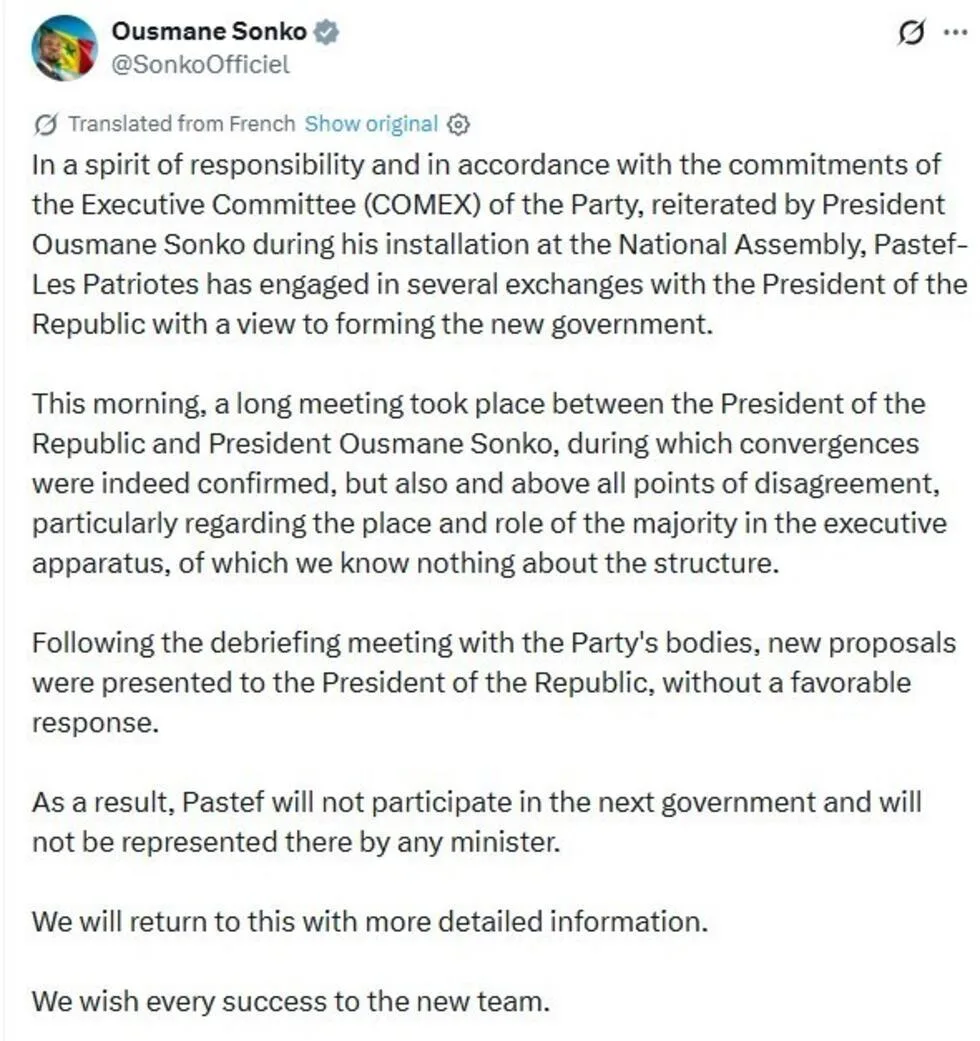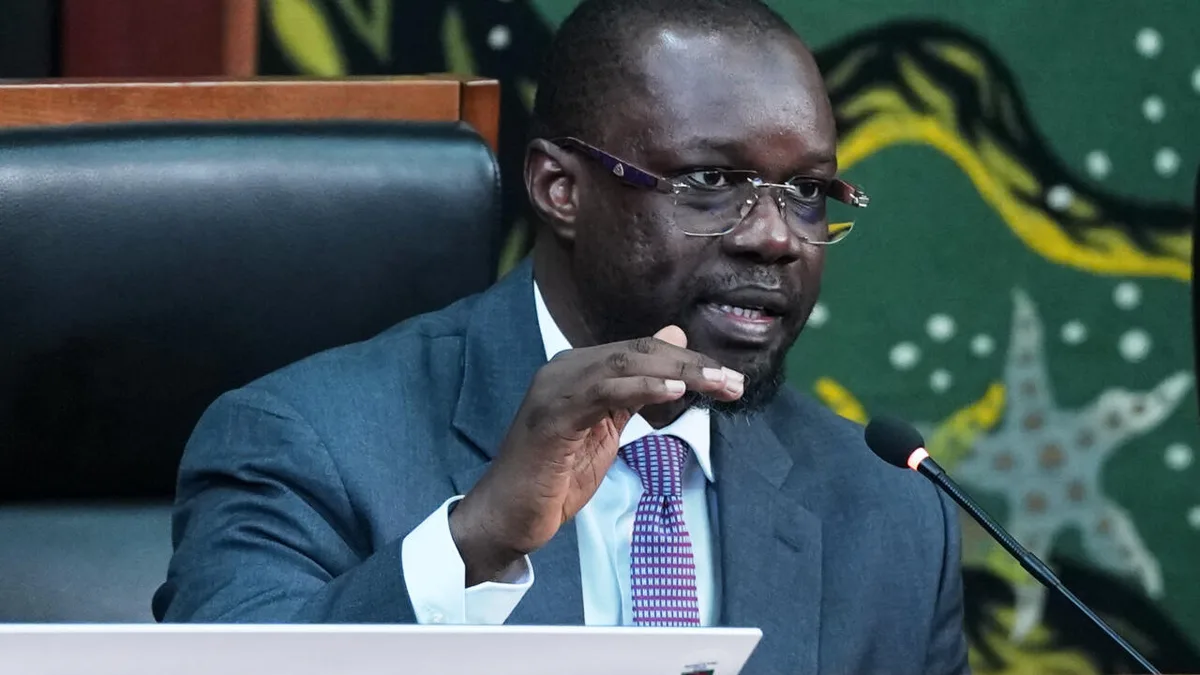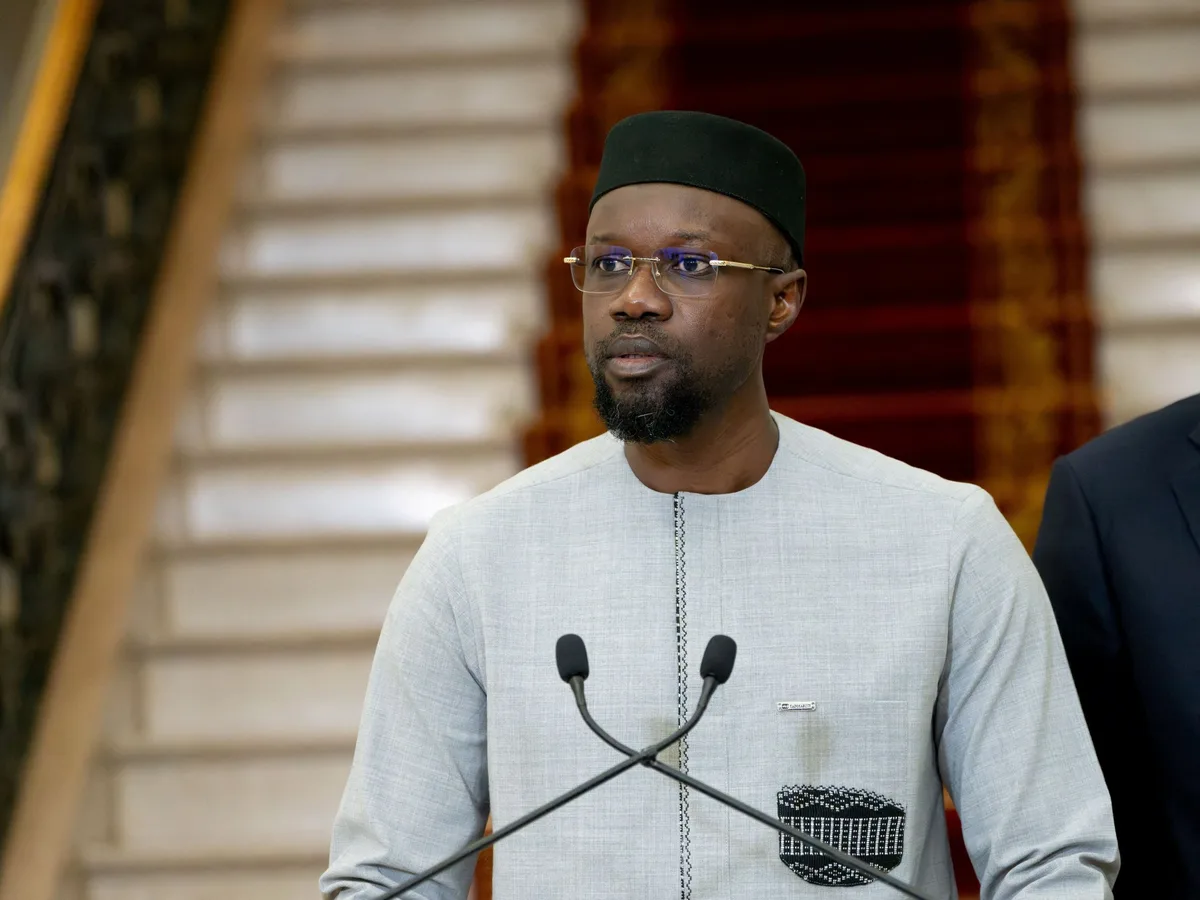
Senegal’s former prime minister Ousmane Sonko declared on June 1, 2026, that his Pastef party will not participate in the new government or hold any ministerial posts [1, 2]. Sonko, who was dismissed by President Bassirou Diomaye Faye on May 22, 2026, after Faye dissolved the previous government, made the announcement following a meeting with the president earlier that day [1, 2].
After removing Sonko and his cabinet, Faye appointed economist Ahmadou Al Aminou Lo as the new prime minister on June 1 and unveiled a 30-member cabinet that includes some Pastef members and allies but excludes several senior figures from the party’s previous government posts [1, 2]. Despite this, Sonko’s party, which controls 130 of the 165 seats in parliament, rejected participation. Sonko said, "Some points of agreement were indeed confirmed, but also, above all, points of disagreement. Pastef will not take part and will not be represented by any ministers" [2].
The parliament defied Faye’s move by reinstating Sonko as a member and electing him speaker with support from 132 lawmakers, signaling a wide legislative challenge to the president’s actions [1, 2]. Sonko stated, "We wish the new team every success. Pastef will not participate in the next government and will not be represented by any ministers" [1].
Senegal faces economic pressure partly due to a 2024 discovery that debt from a previous government was underreported, which pushed the country’s debt to 132% of GDP by the end of 2024 and led the International Monetary Fund to freeze its $1.8 billion loan program [1]. The government hopes to resume talks with the IMF in June 2026, aiming to reach an agreement by the end of the month, according to the finance minister [1].
The political deadlock between the president and the majority party deepens amid efforts to stabilize Senegal’s economy. The next key step will be the IMF discussions scheduled for later this month to possibly restore financing crucial for Senegal’s economic recovery [1].