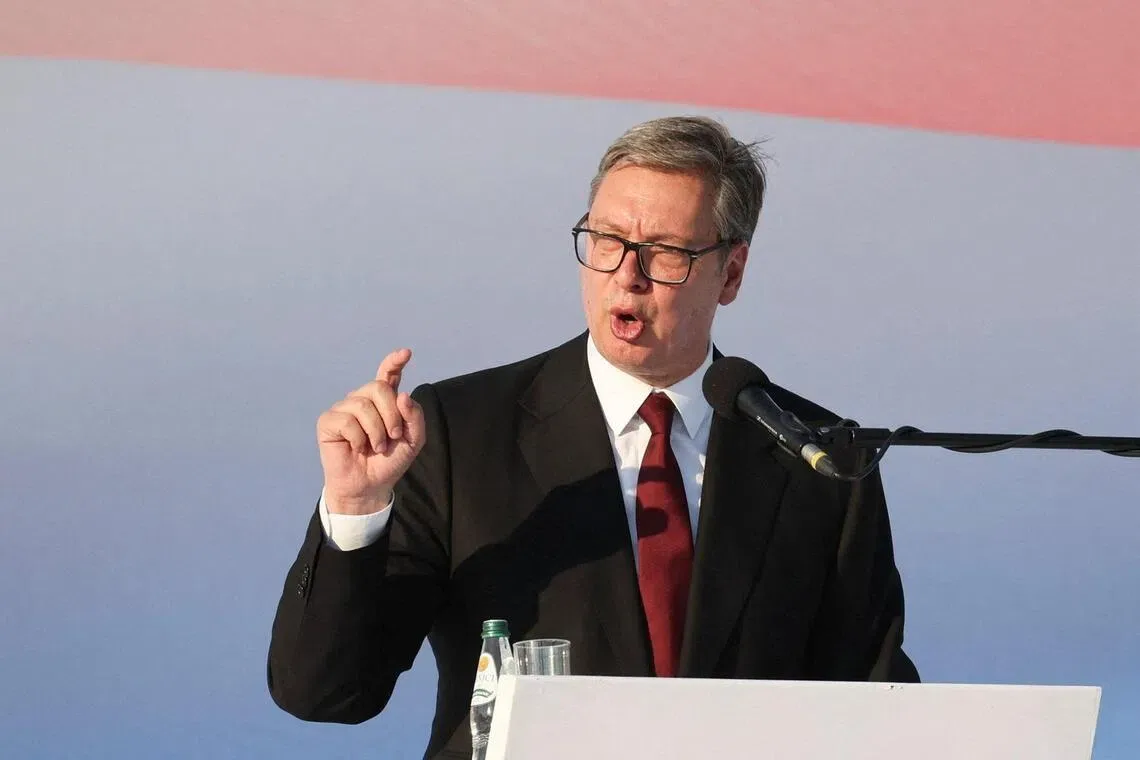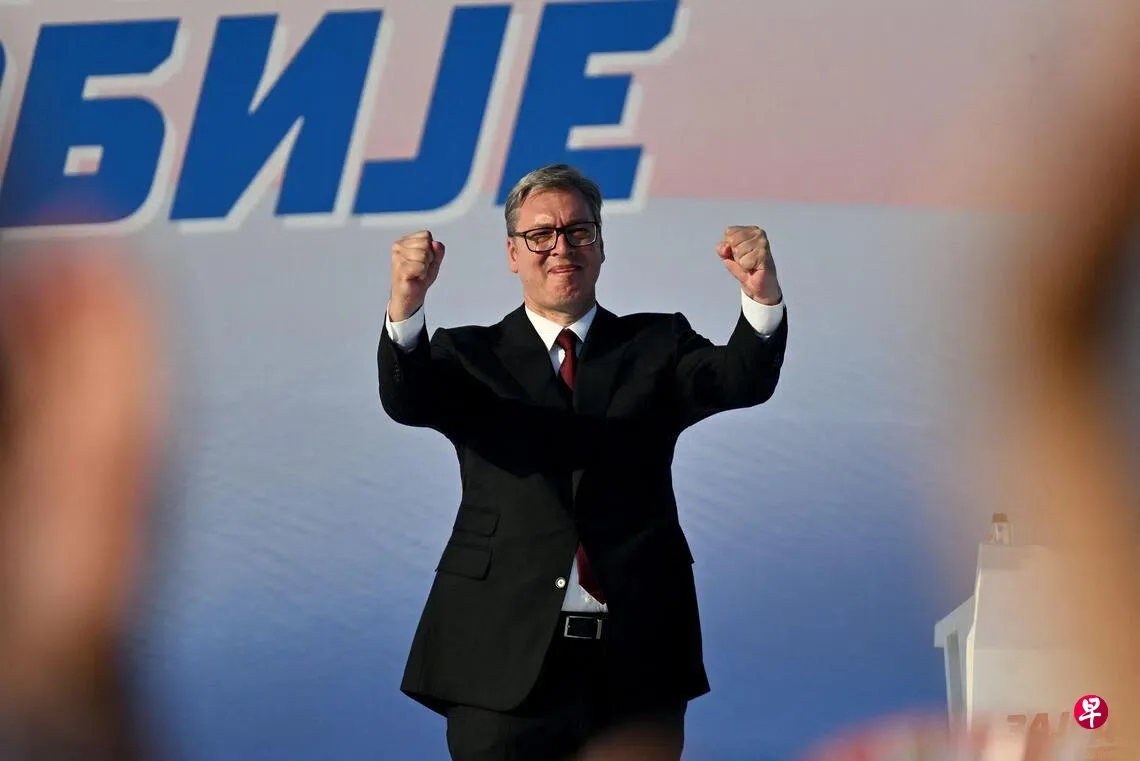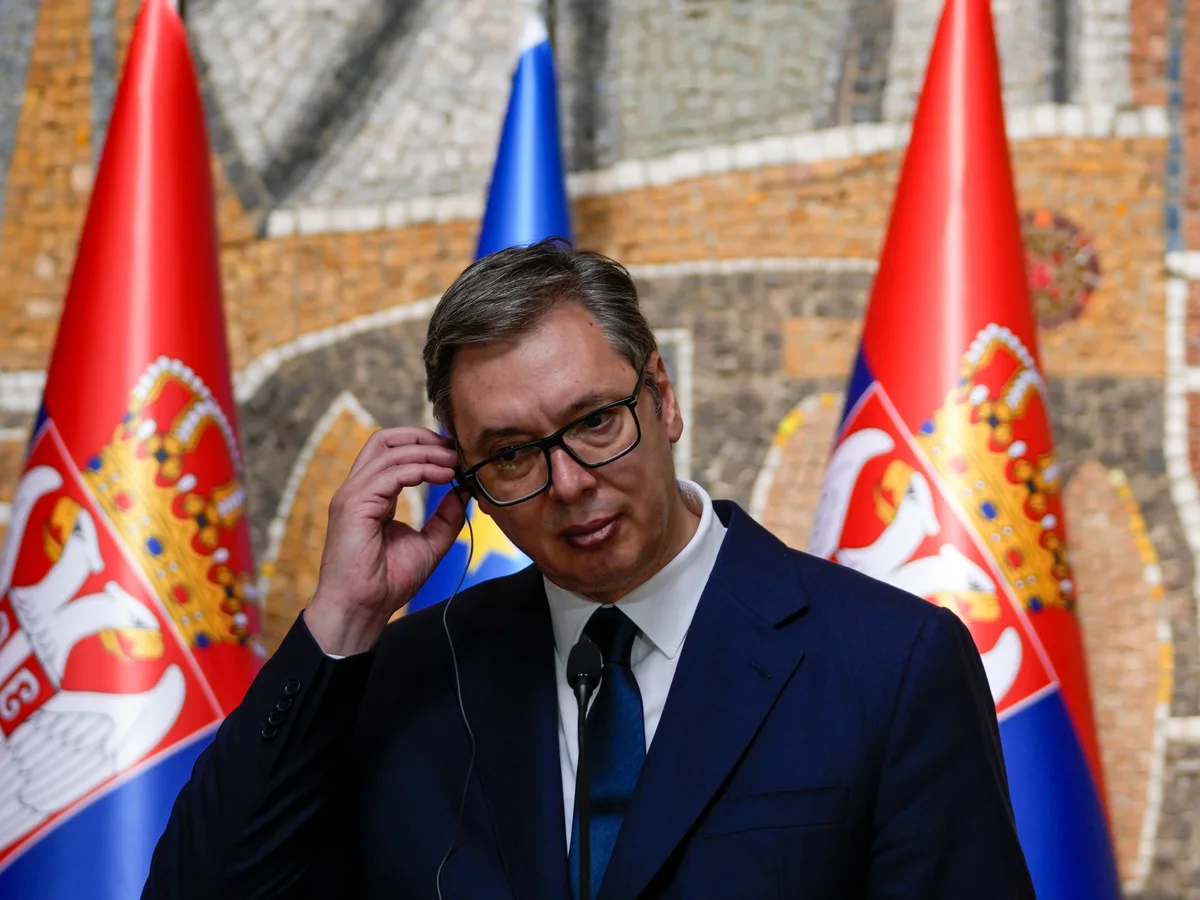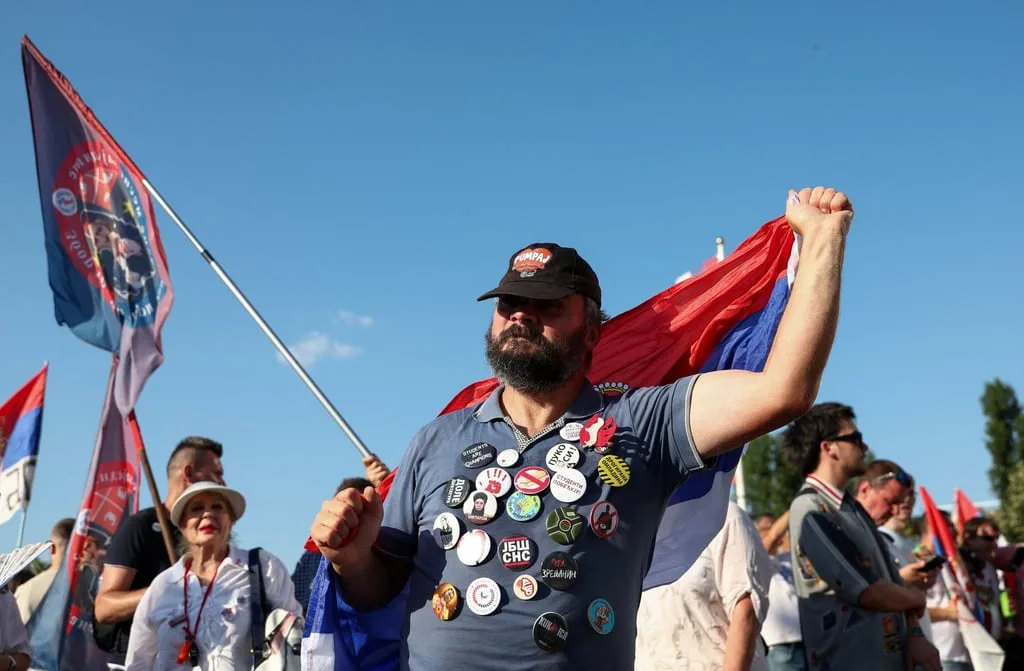
Serbian President Aleksandar Vucic said on June 27, 2026, he will resign within weeks, setting the stage for early presidential and parliamentary elections originally planned for 2027 [1, 2, 3]. He made the announcement at a large pro-government rally in Belgrade, which reportedly drew over 200,000 attendees according to the Interior Ministry [4].
Vucic, who has held power as either prime minister or president for 12 years, said, "I will be president for only a couple of weeks, and then I will resign," adding, "Nothing lasts forever, and thank God it doesn't" [1, 4]. His current and final presidential term is due to expire in mid-2027, and Serbia's constitution bars him from seeking another term [1, 2, 3].
The early elections will include both presidential and parliamentary votes. Vucic proposed naming the Serbian Progressive Party's (SNS) electoral list "United Serbia" and promised to support the party's success in the coming polls [1, 2, 5, 4]. He has also hinted at running for prime minister after resigning to stay influential through his party [2, 6, 5].
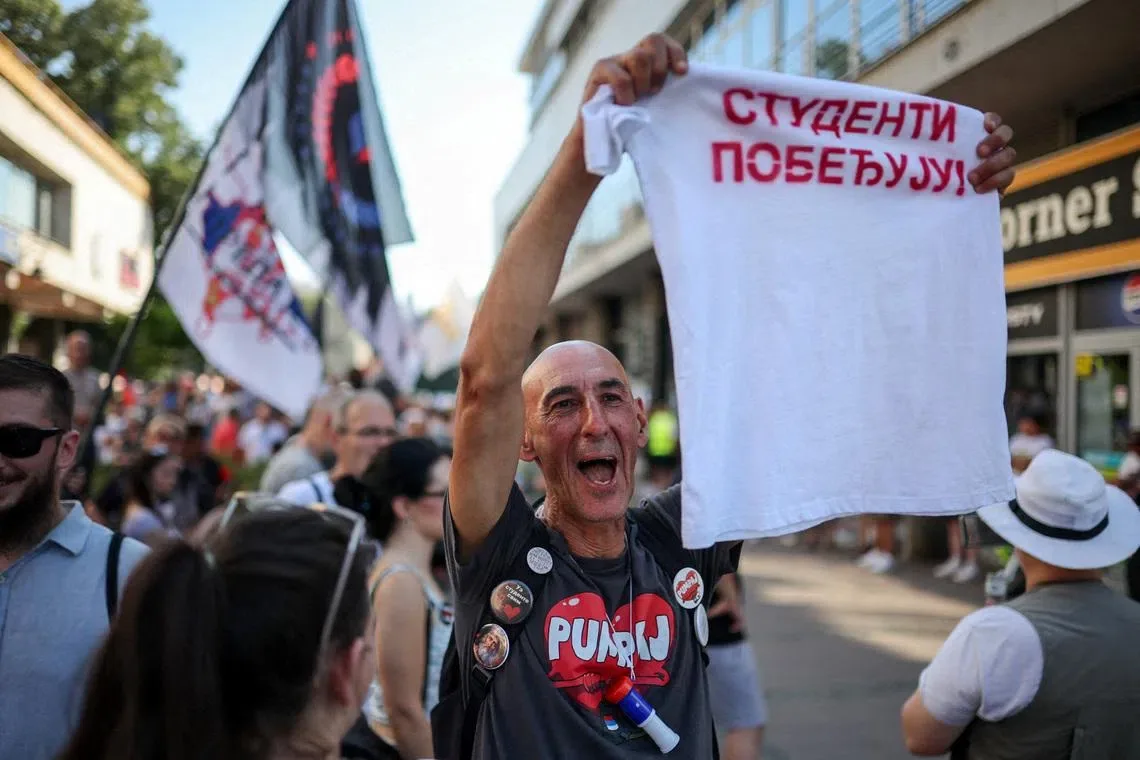
The announcement comes amid 18 months of student-led anti-corruption protests sparked by the November 2024 collapse of a railway station awning in Novi Sad that killed 16 people [1, 6, 7]. Protesters accuse the government of corruption and mismanagement linked to the disaster. Vucic denies these claims and has called protesters "foreign agents" trying to overthrow the government [1, 8, 5]. Thousands of demonstrators planned further protests on June 28 in Kraljevo demanding early elections [6].
Opposition groups and the student movement aim to challenge Vucic and the SNS at the polls [1, 9]. Serbian political analyst Radivoje Grujic said Vucic's resignation "will never be the end of his political career" and that "this definitely does not mean he will withdraw from politics" [5]. Serbian language professor Jelena Danicic described the conflict as "a fight between good and evil" [6].
Serbia seeks European Union membership while maintaining close ties with Russia and China. Before joining the EU, it must improve the rule of law, electoral fairness, and anti-corruption efforts, and reach an agreement on Kosovo's status [6, 4].
Vucic's resignation and the early elections mark the most significant political shift since the 2024 protests. Vucic will remain president only for several more weeks before stepping down [1, 4]. The early elections are expected well ahead of the official schedule in 2027.