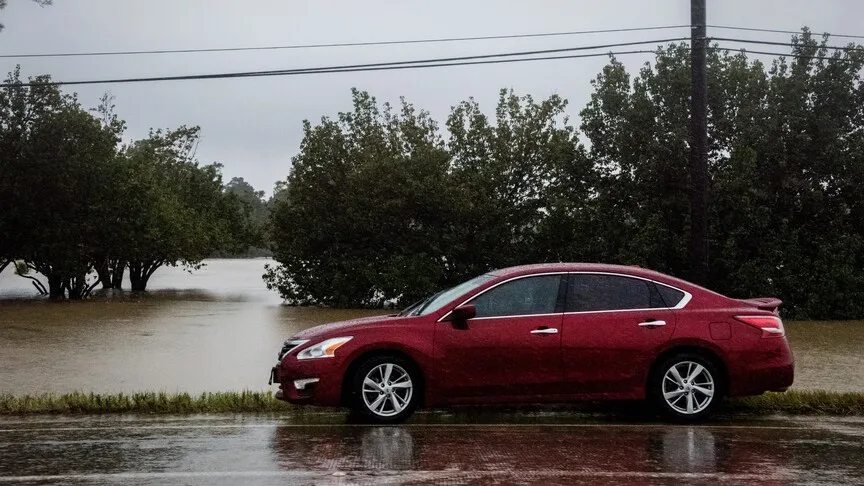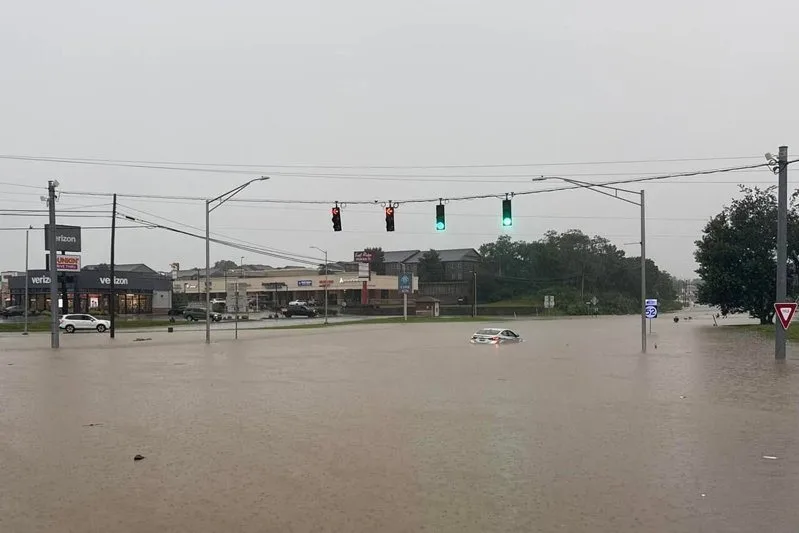
Kentucky experienced severe flooding triggered by heavy rain starting June 27, resulting in at least 4 deaths, multiple rescues, and widespread damage across the state [1, 2, 3]. Three fatalities occurred in Madison County and one in Jackson County [1, 2, 3]. Governor Andy Beshear declared a state of emergency that evening as flooding worsened and rescue operations intensified [1, 2, 3].
Some areas received between 4 to 10 inches of rain, with parts of Kentucky recording over 6 inches, saturating the soil and increasing the risk of continued flooding and mudslides even after the rain subsides [1, 2, 3]. A landslide near a dam in Bullitt County, outside Louisville, prompted safety warnings and voluntary evacuations, though officials reported the dam structure remains stable with no immediate threat of failure [1].
Floodwaters made at least 12 state highways impassable, and damage to roads and bridges was reported in multiple locations [1, 3]. Emergency teams have conducted house-to-house searches for stranded or missing residents while carrying out numerous water rescues from vehicles and homes across the state. "Kentucky, I have some tough news to share," Governor Beshear said, stressing the seriousness of the event and the ongoing response efforts [2].
The state government activated price gouging prevention measures and emergency orders allowing pharmacies to reissue prescriptions lost due to flooding [3]. Authorities continue to monitor conditions as rescue operations proceed.
Search and rescue and emergency management officials remain on alert, addressing infrastructure damage and safety concerns amid saturated terrain. Recovery efforts are ongoing as officials assess the full impact of the floods.