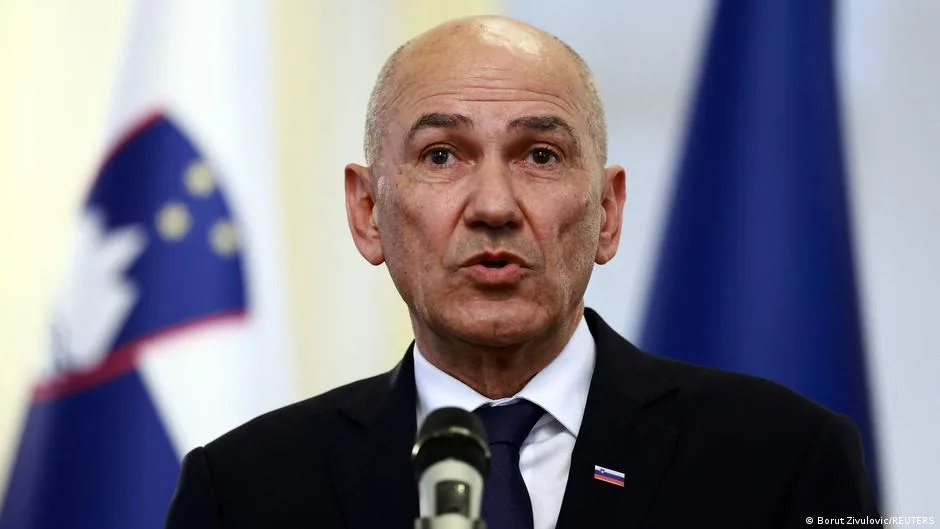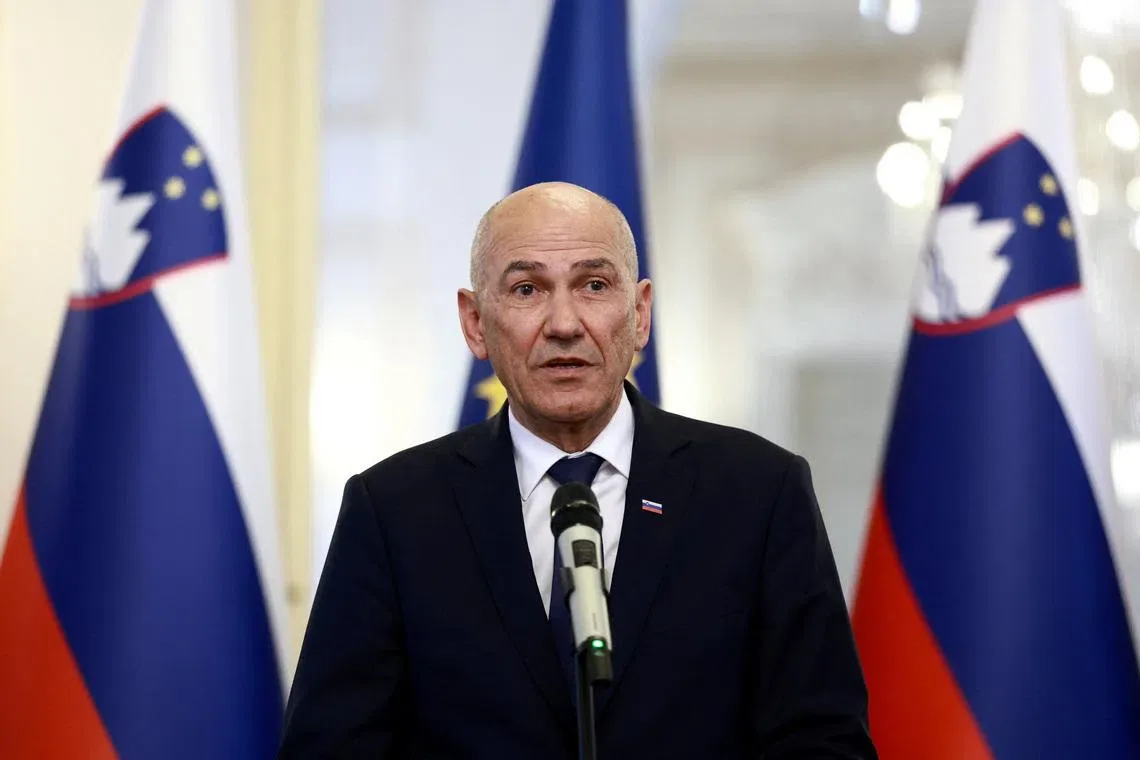
Slovenia's parliament approved Prime Minister Janez Janša's centre-right government on June 4, 2022, confirming a coalition cabinet of 15 members mainly from Janša's Slovenian Democratic Party (SDS) along with New Slovenia (NSi), Democrats, Focus, and backed by the far-right Resnica party [1, 2].
Janša's coalition holds 43 seats in the 90-seat parliament, including support from deputies representing national minorities [1]. Janša was appointed prime minister on May 22, 2022, marking his fourth term in office and returning the veteran right-wing leader to power [3, 2]. "A hand is offered, But it takes two to cooperate, and it will depend on you how many there will be," Janša said following the approval [1].
The cabinet reflects Janša's base within the Slovenian Democratic Party, which consistently commands about a quarter of the vote, with coalition partners helping secure a parliamentary majority [3, 2]. Ali Zerdin, editor of Delo newspaper, noted Janša "knows all the tricks to build a coalition necessary to run Slovenia," despite failing to forge a broader coalition with the centre-left following the March 2022 elections [3].
The previous government, led by Robert Golob, fell short of forming a majority coalition despite winning the election narrowly earlier in March 2022 [1, 3, 2]. Janša pledged to pursue tax cuts, targeted spending, anti-corruption measures, and more powers for local governments [1, 3, 2]. However, trade unions and critics warn the planned tax cuts will mostly benefit the wealthy and could harm public services [3, 2].
The far-right Resnica party, led by Zoran Stevanovic, supported Janša despite earlier promises not to back a government led by him. There is uncertainty over the influence Resnica will wield and the risk it might withdraw support and destabilize the government [3, 2].
Janša’s government took office shortly after his appointment on May 22, 2022, with the parliamentary vote finalizing the coalition formation on June 4, 2022 [1, 3, 2]. The new prime minister now faces the task of governing with a slim majority amid complex coalition dynamics.