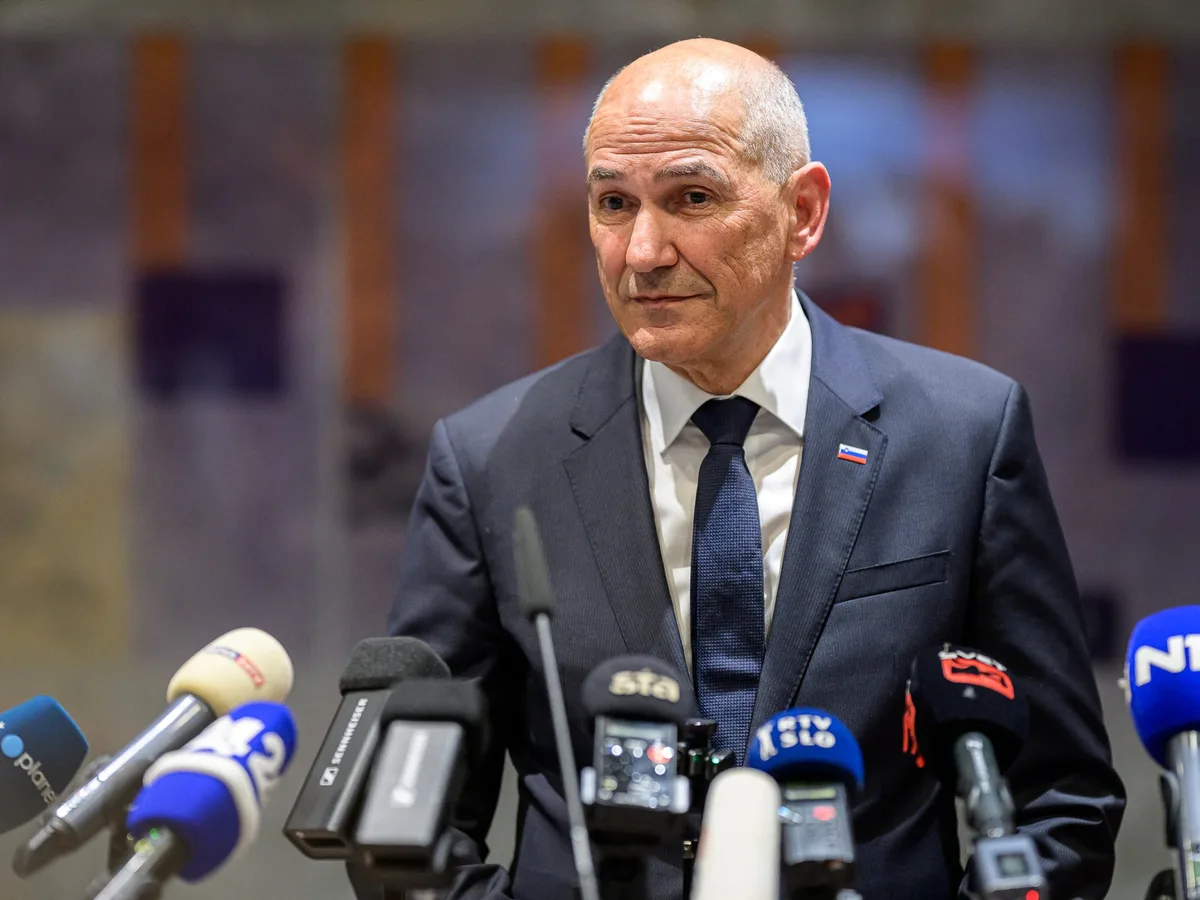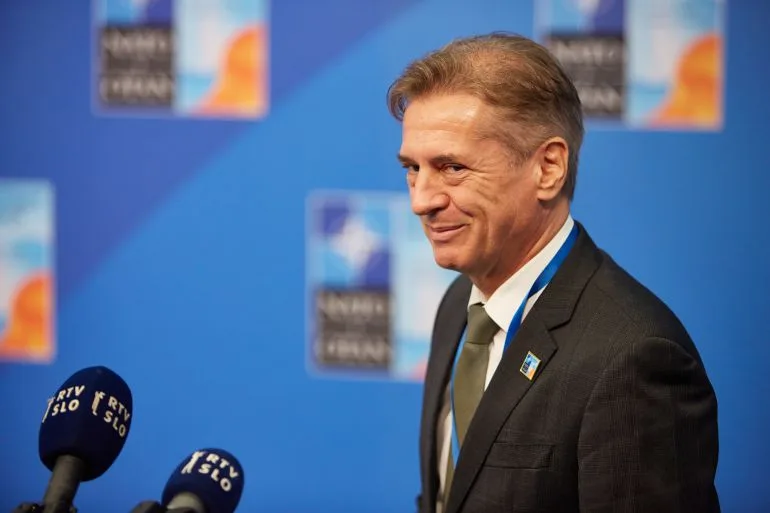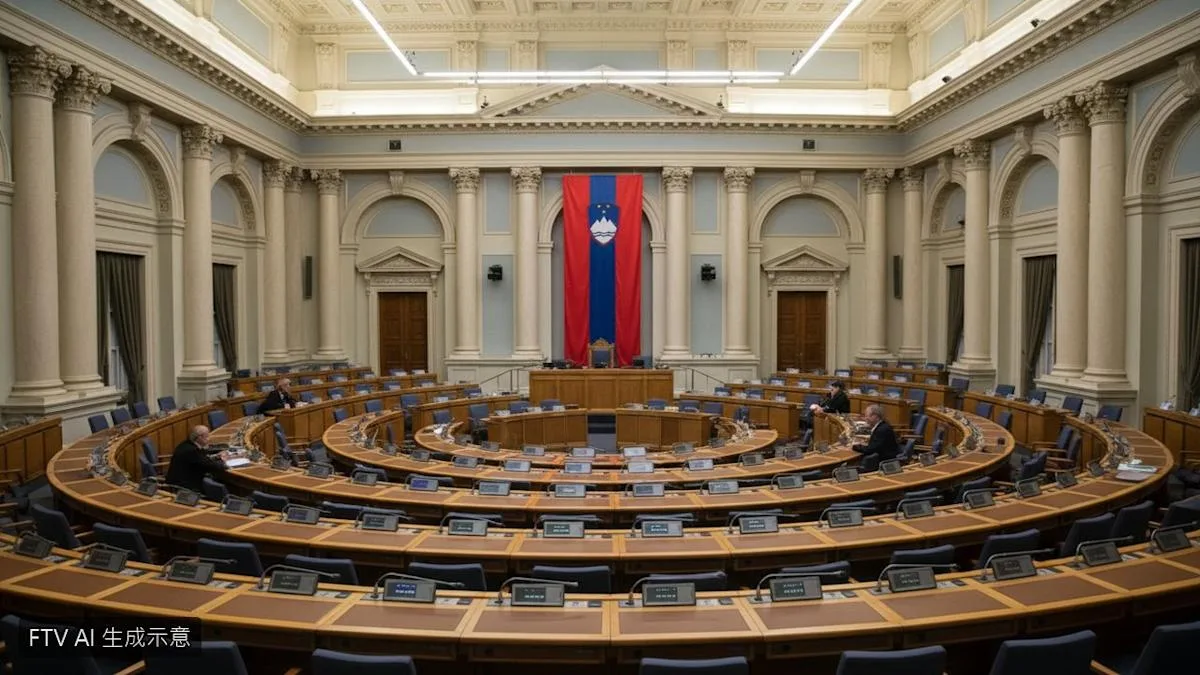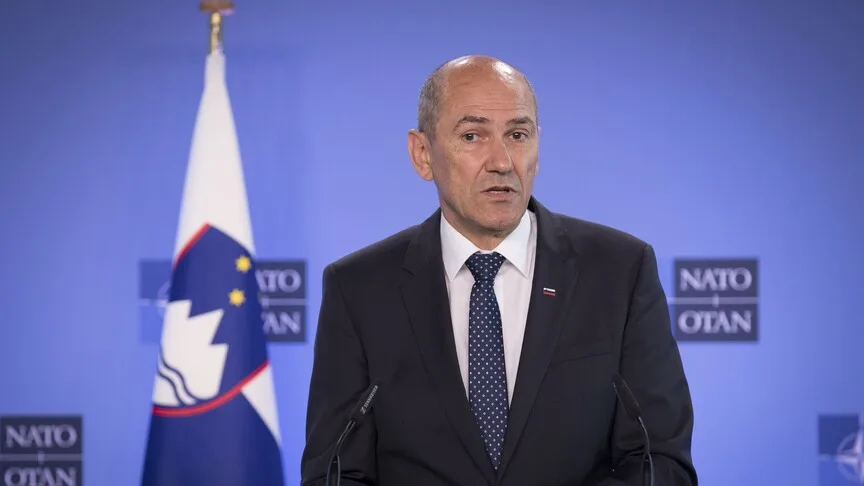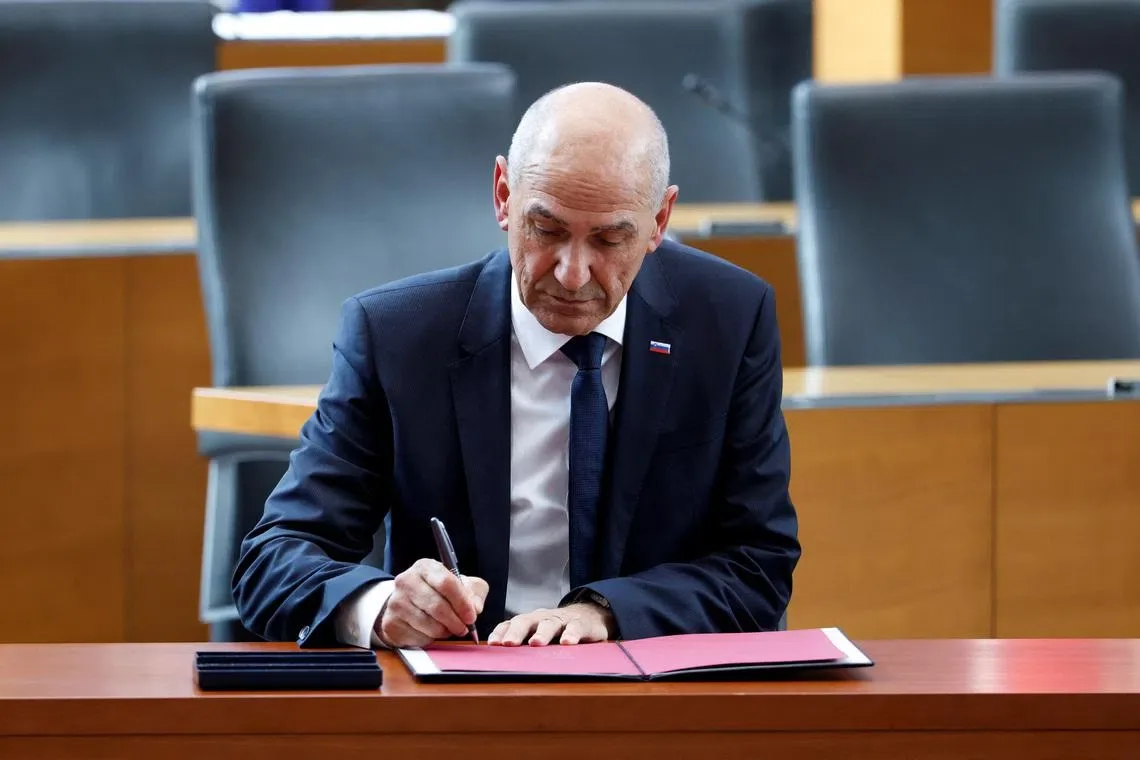
Slovenia’s parliament approved Janez Jansa as prime minister-designate on May 22, 2026, with 51 votes in favor out of a 90-seat chamber, defeating 36 opposing votes [1, 2, 3, 4].
Jansa, 67, leads the Slovenian Democratic Party (SDS), which finished second in the March 22 parliamentary election with 28 seats behind the Freedom Movement’s 29 seats but failed to form a majority [1, 2, 4]. The new government is a coalition of five centre-right parties: SDS, New Slovenia, Democrats, Slovenian People’s Party, and Focus. These parties control 43 seats, and they have additional backing from the right-wing Resnica party, which will not formally join the coalition [1, 2, 4].
Janez Jansa is seeking his fourth term as prime minister. He previously served from 2004 to 2008, 2012 to 2013, and 2020 to 2022 [2, 3]. After the parliamentary vote, Jansa said the approval was an “important step towards a more successful and freer Slovenia,” pledging to uphold the constitutional order [3]. He also stated the coalition would ensure a “cheaper state but with better quality” [2]. He added, “Our goal is Slovenia as a highly developed, competitive, and socially cohesive state based on knowledge, innovation, fairness, and quality of life” [1].
The new government’s priorities include tax relief for businesses and households, support for startups and fast-growing companies, pension funding reform, cutting red tape, fighting corruption, and decentralising power to local governments [1, 2, 4]. Jansa’s personal priorities focus on the economy, lowering taxes for the wealthy, supporting private education and healthcare, and reducing the size of government [2].
Coalition talks on ministerial appointments are expected to start on Monday following the vote, with the government likely to be sworn in by early June [3]. Jansa must return to parliament within 15 days of May 22 for a vote to confirm his Cabinet [2].