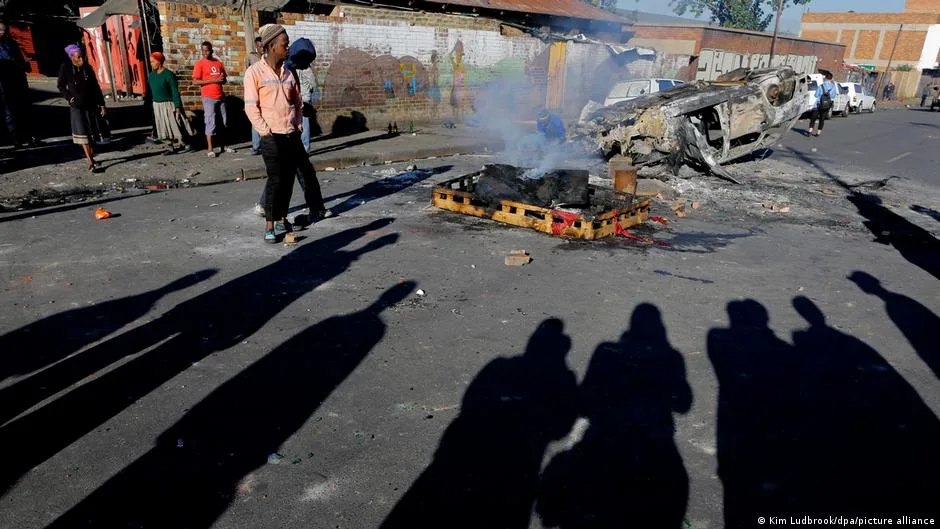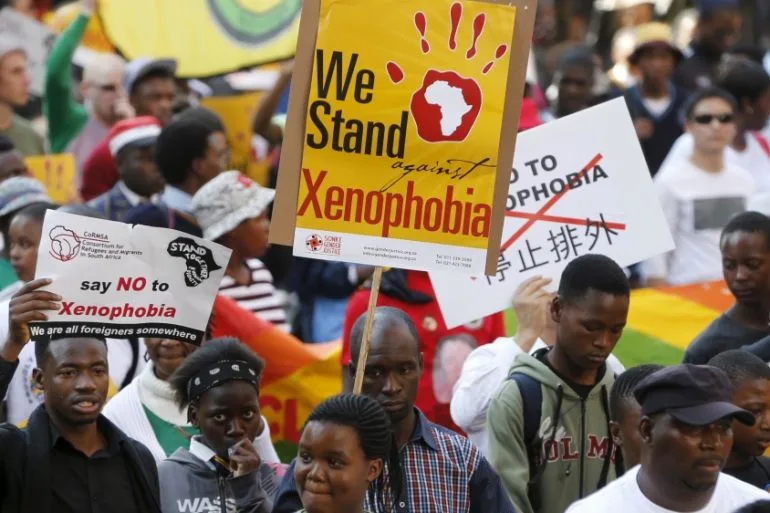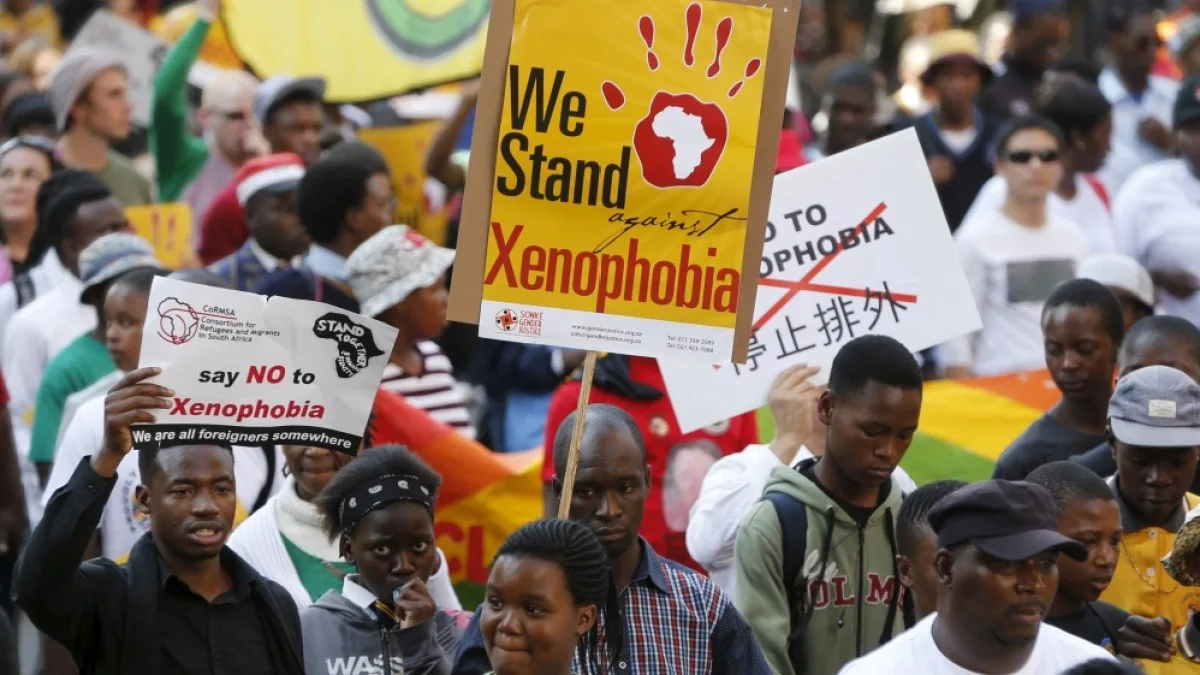
South Africa is experiencing a resurgence of xenophobic violence targeting migrants from Zimbabwe, Nigeria, Somalia, Ethiopia, Malawi, Mozambique, Ghana, and Zambia [1, 2, 3]. Anti-immigrant vigilante groups such as March and March and Operation Dudula have led protests demanding stricter immigration enforcement and calls for migrants to leave by June 30 [3].
Earlier this month, Nigeria summoned South Africa's acting high commissioner over the rising anti-African migrant protests [1, 2]. Violence is linked to social grievances such as unemployment, crime, overcrowded services, and poor living conditions, which migrants are often scapegoated for [1, 2, 3]. Political parties including Patriotic Alliance, ActionSA, and uMkhonto we Sizwe have helped frame migrants as competitors for jobs and services [3].
Human Rights Watch and local activists report increased harassment, unlawful evictions, discrimination at work and clinics, police extortion, denial of services, and physical assaults against migrants. Mike Ndlovu said, "The most common forms of harm include verbal abuse, evictions, discrimination at clinics and workplaces, confiscation of goods and in some cases physical assaults" [3].
The South African government has condemned the violence and vigilantism while emphasizing the need for proper migration management and social cohesion. Foreign Minister Ronald Lamola said, "It is not the responsibility of civilians to enforce the law. Where people are told, 'You are not South African, you must go home,' that is xenophobia" [1, 2]. He added, "The economic challenges and unemployment issues will not be resolved by chasing anyone. This is not just a security issue, it is an economic and social issue" [2]. Minister Khumbudzo Ntshavheni condemned the demand for passports by non-law enforcement actors, saying, "We cannot allow anyone who is not law enforcement to demand people's passports" [1, 2].
Migration researcher Loren Landau criticized the scapegoating of migrants, stating, "The scapegoating and demonisation of migrants merely draw people's attention away from the true source of South Africa's problems and erodes democracy while putting the welfare of many people — both our own citizens and foreigners — at risk" [2]. Landau stresses migrants do not substantially affect employment or crime levels [1, 2].
This wave follows past outbreaks of xenophobic violence that killed more than 60 people in 2008, saw repeated unrest in 2015 and 2016, and left at least 12 dead in 2019 attacks in Johannesburg [1, 2]. Anti-immigration groups are circulating calls for foreign nationals to leave the country by June 30 [3].